
How a Psychotherapist Helps Build Emotional Resilience
How a Psychotherapist Helps Build Emotional Resilience : Life is filled with challenges, uncertainties, and unexpected setbacks that can affect our emotional well-being. While some people recover quickly from difficult situations, others may struggle with stress, anxiety, self-doubt, or emotional overwhelm. The ability to adapt, recover, and grow stronger in the face of adversity is known as emotional resilience. A qualified Psychotherapist plays a vital role in helping individuals develop this resilience, enabling them to handle life’s challenges with greater confidence and emotional stability. At Minds & Moods Mitra, professional psychotherapy and counselling services help individuals strengthen their mental well-being and build lasting emotional resilience.
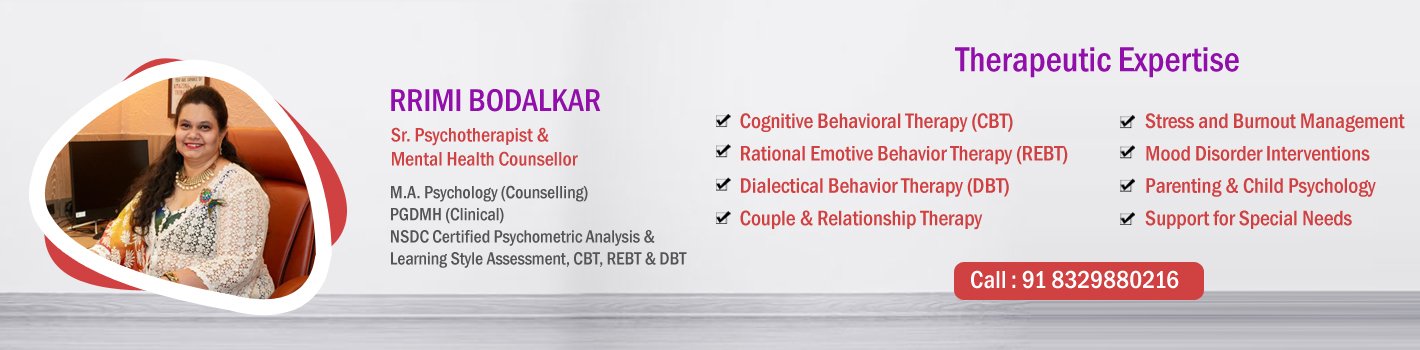
About RRIMI BODALKAR – Senior Psychotherapist & Mental Health Counsellor
RRIMI BODALKAR, Sr. Psychotherapist and Mental Health Counsellor, is dedicated to helping individuals improve emotional well-being, develop healthier coping mechanisms, and achieve personal growth. She holds an M.A. Psychology (Counselling), PGDMH (Clinical), and is NSDC Certified in Psychometric Analysis & Learning Style Assessment. Specializing in Cognitive Behavioral Therapy (CBT), Rational Emotive Behavior Therapy (REBT), and Dialectical Behavior Therapy (DBT), she provides support for stress, anxiety, depression, trauma, relationship concerns, workplace stress, grief, and life transitions.
What Is Emotional Resilience?
Emotional resilience refers to the ability to cope effectively with stress, setbacks, disappointments, and major life changes. It does not mean avoiding difficult emotions; rather, it involves understanding, managing, and responding to challenges in a healthy and productive way. Resilient individuals are better equipped to maintain emotional balance, solve problems effectively, and recover from adversity.
Signs That Emotional Resilience May Need Strengthening
Many people experience periods when their emotional resilience becomes overwhelmed. Common signs include:
- Difficulty coping with stress
- Persistent anxiety or worry
- Negative thinking patterns
- Low self-confidence and self-esteem
- Emotional exhaustion or burnout
- Difficulty managing anger or frustration
- Feeling overwhelmed by life changes
- Relationship conflicts and communication problems
- Challenges recovering from loss or trauma
- Reduced motivation and emotional energy
How a Psychotherapist Helps Build Emotional Resilience
A professional Psychotherapist provides evidence-based strategies and emotional support that help individuals strengthen their resilience over time.
- Identifying Negative Thought Patterns
Through therapies such as CBT, individuals learn to recognize and challenge unhelpful beliefs that contribute to emotional distress. - Developing Healthy Coping Skills
Clients learn practical techniques to manage stress, anxiety, and difficult emotions more effectively. - Improving Emotional Regulation
DBT techniques help individuals manage intense emotions and respond more calmly during challenging situations. - Building Self-Confidence
Confidence Building Counselling helps individuals recognize their strengths and develop greater self-belief. - Enhancing Problem-Solving Abilities
Therapy encourages structured thinking and effective decision-making when facing obstacles. - Strengthening Relationships
Relationship Counselling and Couple Therapy improve communication, empathy, and interpersonal skills. - Processing Trauma and Loss
Trauma Therapy, PTSD Counselling, and Grief and Loss Counselling help individuals heal from difficult experiences.
Therapeutic Approaches Used to Enhance Resilience
- Cognitive Behavioral Therapy (CBT) – Helps replace negative thinking patterns with healthier perspectives.
- Rational Emotive Behavior Therapy (REBT) – Encourages rational thinking and emotional flexibility.
- Dialectical Behavior Therapy (DBT) – Develops emotional regulation and distress tolerance skills.
- Behavioral Therapy – Supports positive behavioral changes and healthier coping habits.
- Personal Counselling – Provides individualized guidance and emotional support.
Who Can Benefit from Resilience-Focused Psychotherapy?
- Individuals experiencing depression or anxiety
- People facing workplace stress and burnout
- Students dealing with academic pressure
- Individuals coping with grief and loss
- People undergoing major life transitions
- Professionals seeking executive coaching
- Individuals recovering from trauma
- Those experiencing relationship difficulties
- People looking to improve self-confidence and emotional well-being
The Psychotherapy Process for Building Emotional Resilience
- Initial Assessment and Consultation
- Understanding Emotional Challenges
- Identifying Personal Strengths and Weaknesses
- Setting Emotional Wellness Goals
- Learning Evidence-Based Coping Strategies
- Developing Emotional Awareness and Regulation
- Monitoring Progress and Reinforcing Positive Changes
Long-Term Benefits of Emotional Resilience
- Better stress management
- Improved emotional stability
- Greater self-confidence and self-awareness
- Healthier relationships
- Enhanced problem-solving skills
- Increased adaptability to change
- Improved mental health and overall well-being
- Greater life satisfaction and personal growth
Why Choose Minds & Moods Mitra in Nagpur?
- Experienced Psychotherapist and Mental Health Counsellor
- Evidence-Based Therapy Approaches
- Personalized Counselling Plans
- Confidential and Supportive Environment
- Specialized Support for Stress, Trauma, and Life Challenges
- Holistic Focus on Emotional Wellness and Growth
Frequently Asked Questions (FAQs)
1. What is emotional resilience?
Emotional resilience is the ability to adapt to stress, recover from setbacks, and maintain emotional balance during difficult situations.
2. Can resilience be learned?
Yes. Emotional resilience is a skill that can be developed through counselling, psychotherapy, self-awareness, and healthy coping strategies.
3. How does CBT help build resilience?
CBT helps individuals identify negative thought patterns and replace them with healthier, more constructive ways of thinking.
4. Can therapy help with workplace stress and burnout?
Yes. Workplace Stress Counselling and Burnout Counselling can help individuals develop coping mechanisms and improve emotional well-being.
5. How long does it take to build emotional resilience?
The process varies for each individual and depends on personal circumstances, goals, and commitment to therapeutic strategies.
6. Is psychotherapy only for people with mental health disorders?
No. Psychotherapy can benefit anyone seeking personal growth, emotional balance, improved coping skills, and greater resilience.
Conclusion
Emotional resilience is one of the most valuable skills for navigating life’s challenges successfully. With professional guidance from an experienced Psychotherapist, individuals can develop healthier coping mechanisms, improve emotional regulation, strengthen relationships, and enhance overall well-being. At Minds & Moods Mitra, RRIMI BODALKAR provides compassionate, evidence-based support that empowers individuals to face life’s challenges with confidence, resilience, and emotional strength.