How Career Counsellors Help You Choose the Right Career Path
How Career Counsellors Help You Choose the Right Career Path : Choosing the right career is one of the most important decisions in a person’s life. A well-chosen career not only provides financial stability but also contributes to personal satisfaction, professional growth, and long-term happiness. However, with hundreds of career options available today, many students, graduates, and working professionals often feel confused about which path best matches their interests, abilities, personality, and future goals. This is where professional career counselling becomes invaluable. A qualified career counsellor helps individuals understand themselves better, explore suitable career opportunities, and make informed decisions based on scientific assessments and expert guidance rather than assumptions or external pressure.
Whether you are a student choosing a stream after Class 10, selecting the right course after Class 12, preparing for college admissions, considering a career change, or planning long-term professional growth, working with a Professional Career Counsellor can provide the clarity and confidence needed to make the right career choices. Career counselling combines psychological assessment, aptitude evaluation, personality analysis, and market insights to recommend career paths that align with an individual’s strengths and aspirations.
Why Choosing the Right Career Is So Important
A career influences almost every aspect of life, including financial security, emotional well-being, work-life balance, confidence, personal development, and overall life satisfaction. Choosing a career without proper guidance may lead to frustration, lack of motivation, poor academic performance, frequent job changes, and dissatisfaction in the workplace.
Professional career counselling helps individuals make well-informed decisions by considering multiple factors such as:
- Personal interests and passions
- Natural abilities and aptitudes
- Personality traits
- Academic strengths
- Learning style
- Career goals
- Current and future industry trends
- Employment opportunities
Instead of relying solely on opinions from friends or relatives, career counselling provides objective, evidence-based recommendations that help individuals choose a career path with greater confidence.
Who Can Benefit from Career Counselling?
Career counselling is beneficial for individuals at various stages of life. While it is commonly associated with students, professionals and even parents can also benefit from expert guidance.
Career counselling is especially helpful for:
- Students after Class 10.
- Students after Class 12.
- College students choosing a specialization.
- Graduates planning higher education.
- Individuals preparing for competitive examinations.
- Working professionals considering a career change.
- People returning to work after a career break.
- Parents seeking guidance for their children’s career planning.
Individuals seeking Career Counselling after 10th and 12th or Best Career Guidance for Students often gain valuable insights into educational pathways and future career opportunities.
Common Challenges Students Face While Choosing a Career
Many students struggle to decide on a career because they lack awareness about available opportunities or feel pressured by family expectations and societal trends. Without proper guidance, they may choose careers that do not align with their interests or strengths.
Some common career-related challenges include:
- Confusion about career options.
- Difficulty selecting the right academic stream.
- Lack of self-confidence.
- Peer pressure.
- Parental expectations.
- Fear of making the wrong decision.
- Limited knowledge about emerging careers.
- Uncertainty regarding higher education.
- Poor understanding of personal strengths.
- Anxiety about future job opportunities.
Career counselling helps students overcome these concerns through structured guidance and scientifically validated assessment methods.
How Career Counsellors Assess Your Strengths
One of the biggest advantages of professional career counselling is that recommendations are based on comprehensive psychological and aptitude assessments rather than guesswork. Every individual possesses unique abilities, personality traits, learning preferences, and career aspirations.
Career counsellors may use:
- Psychometric Analysis
- Aptitude Assessment
- Learning Style Assessment
- Personality Assessment
- Interest Inventory
- Cognitive/Intellectual Assessment (IQ Testing)
- Career Interest Profiling
- Behavioral Assessment
These assessments help identify an individual’s strengths, weaknesses, interests, preferred work environment, decision-making style, communication abilities, and learning patterns. Based on these insights, the counsellor recommends career options that are most likely to lead to long-term success and satisfaction.
The Importance of Psychometric Assessments in Career Planning
Psychometric assessments play a crucial role in modern career counselling because they provide objective insights into an individual’s abilities and preferences. Unlike opinions or assumptions, these assessments are standardized and scientifically developed.
Psychometric testing helps evaluate:
- Logical reasoning abilities.
- Numerical aptitude.
- Verbal skills.
- Problem-solving abilities.
- Leadership qualities.
- Creativity.
- Decision-making style.
- Interpersonal skills.
- Learning preferences.
- Career interests.
The results allow career counsellors to recommend educational programs and professions that align with an individual’s natural abilities and long-term goals.
Career Counselling After Class 10
After completing Class 10, students often need to choose between Science, Commerce, Humanities, or vocational education. This decision significantly influences future educational and career opportunities.
Professional career counselling helps students:
- Understand the strengths of each academic stream.
- Identify subjects that match their interests.
- Explore future career opportunities.
- Evaluate aptitude and personality.
- Develop realistic academic goals.
- Reduce career-related confusion and stress.
Students and parents frequently seek Career Counselling after 10th and 12th to make informed educational decisions.
Career Counselling After Class 12
Choosing the right undergraduate course after Class 12 can be overwhelming because of the large number of degree programs available today. Students may struggle to compare colleges, courses, entrance examinations, and career prospects.
Career counsellors help by:
- Identifying suitable degree programs.
- Explaining career opportunities across different industries.
- Helping students shortlist colleges.
- Providing guidance on entrance examinations.
- Aligning educational choices with career goals.
- Supporting informed decision-making.
Expert guidance from a Professional Career Counsellor enables students to confidently plan their higher education and future careers.
The Career Counselling Process: Step-by-Step Guidance
Professional career counselling is a structured process that helps individuals identify careers that align with their interests, abilities, personality, values, and long-term aspirations. Rather than suggesting careers based on trends or assumptions, career counsellors use scientific assessments and personalized guidance to recommend educational and professional pathways that offer the greatest potential for success and satisfaction.
Whether you are a student selecting a stream after Class 10, planning higher education after Class 12, exploring career opportunities after graduation, or considering a career change, guidance from a Professional Career Counsellor can simplify the decision-making process and help you build a clear roadmap for your future.
The career counselling process generally includes:
- Initial Career Consultation
- Psychometric and Aptitude Assessments
- Personality and Learning Style Analysis
- Career Interest Evaluation
- Career Matching and Recommendations
- Educational Planning
- Long-Term Career Development Guidance
Step 1 – Understanding the Individual
The first counselling session focuses on understanding the student’s or professional’s background, academic performance, interests, strengths, challenges, career goals, and expectations. The counsellor also discusses personal values, hobbies, preferred work environment, communication style, and future aspirations.
This detailed discussion helps create a complete profile before recommending suitable educational and career options.
Step 2 – Scientific Career Assessments
Modern career counselling relies on evidence-based assessments rather than guesswork. These assessments provide objective insights into an individual’s natural abilities and career potential.
Common assessments include:
- Psychometric Analysis
- Aptitude Assessment
- Learning Style Assessment
- Personality Assessment
- Career Interest Inventory
- Cognitive/Intellectual Assessment (IQ Testing)
- Behavioral Assessment
- Multiple Intelligence Assessment
These assessments help identify strengths in logical reasoning, creativity, communication, analytical thinking, leadership, problem-solving, interpersonal skills, and learning preferences.
Step 3 – Matching Careers with Individual Strengths
Once the assessment results are available, the career counsellor compares the individual’s profile with suitable educational programs and career opportunities. Recommendations are based on a combination of aptitude, personality, interests, academic performance, and future industry demand.
Depending on the assessment, suitable career fields may include:
- Engineering and Technology.
- Medical and Healthcare Sciences.
- Artificial Intelligence and Data Science.
- Business Management and Entrepreneurship.
- Finance and Commerce.
- Law and Public Administration.
- Architecture and Design.
- Psychology and Counselling.
- Media, Journalism, and Digital Marketing.
- Hospitality and Tourism.
- Education and Research.
- Government and Civil Services.
The goal is not simply to recommend a popular profession but to identify a career that matches the individual’s potential and personal aspirations.
Helping Students Choose the Right Educational Path
Career counsellors guide students through important educational decisions that directly influence future career opportunities.
They help students:
- Select the most suitable academic stream after Class 10.
- Choose appropriate undergraduate courses after Class 12.
- Understand entrance examinations and admission requirements.
- Compare colleges and universities.
- Plan higher education in India or abroad.
- Develop realistic academic and career goals.
Students seeking Career Counselling after 10th and 12th receive personalized guidance that simplifies these important decisions.
Career Counselling for Working Professionals
Career counselling is not limited to students. Many professionals seek guidance when considering a career transition, higher education, leadership roles, entrepreneurship, or skill development.
Professional career counselling helps individuals:
- Evaluate career satisfaction.
- Identify transferable skills.
- Plan career advancement.
- Develop leadership abilities.
- Explore emerging industries.
- Improve workplace confidence.
- Make informed career changes.
These services are particularly valuable for professionals who feel uncertain about their future career direction.
Career Counselling and Emotional Well-Being
Career decisions are often associated with stress, anxiety, self-doubt, and fear of failure. Professional career counsellors not only guide educational planning but also help individuals develop emotional resilience, confidence, and effective decision-making skills.
Individuals experiencing career-related stress may also benefit from:
- Best Counselling for Stress and Anxiety
- Effective Anxiety Treatment
- Self-Esteem Counselling Nagpur
- Confidence Building Counsellor Nagpur
Addressing emotional barriers alongside career planning enables individuals to make confident and well-informed decisions.
Emerging Career Opportunities for Students
Modern career counselling also introduces students to rapidly growing industries beyond traditional career choices.
Some high-growth career fields include:
- Artificial Intelligence (AI).
- Machine Learning.
- Cybersecurity.
- Data Science.
- Cloud Computing.
- Digital Marketing.
- UI/UX Design.
- Robotics.
- Renewable Energy.
- Healthcare Technology.
- Financial Technology (FinTech).
- Content Creation and Media.
Career counsellors help students understand the qualifications, required skills, future scope, and employment opportunities associated with these emerging professions.
Tips for Successful Career Planning
To achieve long-term career success, individuals should:
- Understand their strengths and interests.
- Keep learning new skills.
- Stay updated with industry trends.
- Develop communication and leadership skills.
- Gain practical experience through internships.
- Remain open to continuous learning.
- Set realistic short-term and long-term goals.
- Seek professional guidance whenever needed.
These habits improve employability, confidence, and long-term professional growth.
Frequently Asked Questions (FAQs)
Q1. Who should consult a career counsellor?
Career counselling is beneficial for students after Class 10 and 12, college students, graduates, working professionals, career changers, and parents seeking educational guidance for their children.
Q2. Are psychometric assessments necessary for career counselling?
Psychometric assessments provide objective insights into aptitude, personality, interests, and learning style, making career recommendations more accurate and personalized.
Q3. Can career counselling help if I want to change my profession?
Yes. Career counsellors help professionals evaluate their skills, explore new opportunities, identify suitable career transitions, and develop strategies for long-term professional growth.
Q4. Can career counselling reduce career-related stress?
Absolutely. Career counselling reduces confusion, improves confidence, strengthens decision-making abilities, and helps individuals manage career-related anxiety and uncertainty.
Q5. How long does the career counselling process take?
The duration varies depending on individual needs. Some people require one or two sessions, while others benefit from detailed assessments and multiple follow-up sessions for comprehensive career planning.
Q6. Is career counselling useful even if I already know my preferred career?
Yes. Career counselling helps confirm whether your chosen career aligns with your aptitude, personality, interests, and long-term goals while also exploring alternative opportunities.
About RRIMI BODALKAR
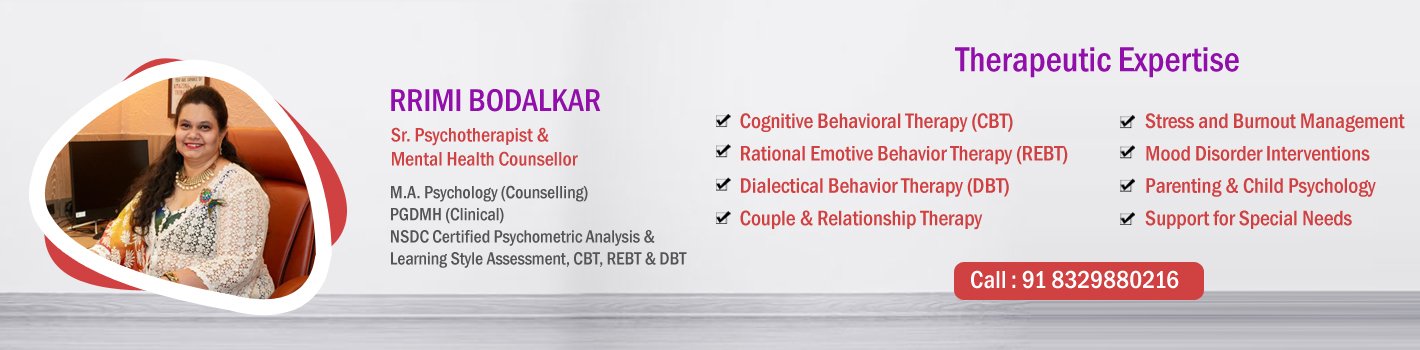
RRIMI BODALKAR, Sr. Psychotherapist & Career Counsellor, M.A. Psychology (Counselling), PGDMH (Clinical), NSDC Certified Psychometric Analysis & Learning Style Assessment, and CBT, REBT & DBT (Specialised), practicing in Nagpur, provides comprehensive career counselling services for students, graduates, working professionals, and parents. Through psychometric analysis, aptitude testing, personality assessments, learning style evaluations, and individualized career planning, she helps individuals make informed educational and career decisions. Her holistic approach also addresses career-related stress, confidence building, emotional well-being, and long-term professional development, enabling clients to achieve fulfilling and successful careers.
Conclusion
Choosing the right career is a life-changing decision that requires self-awareness, accurate information, and expert guidance. Professional career counsellors help individuals understand their strengths, identify suitable career opportunities, and create realistic educational and professional plans through scientific assessments and personalized counselling. Whether you are selecting a stream after Class 10, choosing a course after Class 12, planning higher education, or considering a career transition, professional career counselling provides the clarity, confidence, and direction needed to achieve long-term success. By investing in informed career planning today, individuals can build rewarding careers that align with their abilities, passions, and future aspirations.