Workplace Stress and Burnout: How Counselling Can Help
Workplace Stress and Burnout: How Counselling Can Help : In today’s competitive and fast-paced professional environment, workplace stress has become increasingly common. Tight deadlines, excessive workloads, job insecurity, long working hours, lack of work-life balance, and interpersonal conflicts can significantly impact mental and emotional well-being. When stress becomes chronic and unmanaged, it may lead to burnout—a state of emotional, physical, and mental exhaustion that affects productivity, relationships, and overall quality of life. Professional Workplace Stress Counselling and Burnout Counselling can help individuals regain emotional balance, improve coping skills, and restore their mental well-being.
About RRIMI BODALKAR – Senior Psychotherapist & Mental Health Counsellor
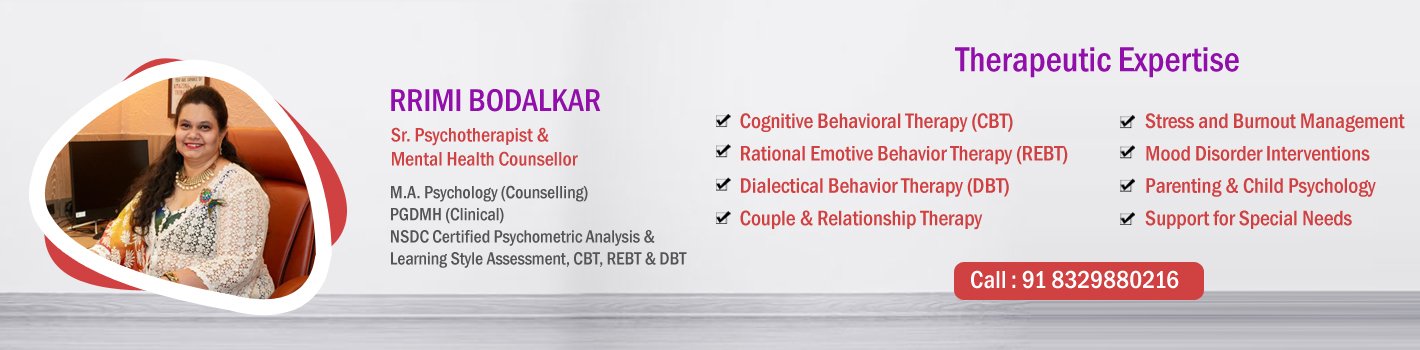
RRIMI BODALKAR, Sr. Psychotherapist and Mental Health Counsellor, specializes in helping individuals manage workplace stress, emotional exhaustion, anxiety, depression, and life challenges. She holds an M.A. Psychology (Counselling), PGDMH (Clinical), and is NSDC Certified in Psychometric Analysis & Learning Style Assessment. Her expertise in Cognitive Behavioral Therapy (CBT), Rational Emotive Behavior Therapy (REBT), and Dialectical Behavior Therapy (DBT) enables professionals to develop effective coping strategies, build emotional resilience, and achieve a healthier work-life balance.
What Is Workplace Stress?
Workplace stress occurs when job demands exceed an individual’s ability to cope effectively. While some degree of stress can be motivating, prolonged or excessive stress can negatively affect mental health, physical health, job performance, and personal relationships.
Common sources of workplace stress include unrealistic expectations, heavy workloads, lack of control over work, poor communication, workplace conflicts, role ambiguity, and insufficient recognition or support.
What Is Burnout?
Burnout is a state of chronic emotional, mental, and physical exhaustion caused by prolonged exposure to workplace stress. It can make individuals feel overwhelmed, detached from their work, and unable to perform effectively.
Unlike temporary stress, burnout often develops gradually and can significantly impact professional performance, motivation, confidence, and overall mental health.
Signs and Symptoms of Workplace Stress and Burnout
- Persistent fatigue and low energy levels
- Difficulty concentrating and making decisions
- Increased anxiety and excessive worrying
- Loss of motivation and job satisfaction
- Frequent irritability and mood changes
- Sleep disturbances and insomnia
- Negative thinking patterns
- Reduced productivity and performance
- Feeling emotionally drained or overwhelmed
- Withdrawal from colleagues, family, or social activities
- Physical symptoms such as headaches, muscle tension, and digestive problems
How Counselling Helps Manage Workplace Stress
Professional counselling provides a safe and supportive environment where individuals can explore workplace challenges and develop practical solutions.
- Identifying Stress Triggers
Understanding the specific workplace situations that contribute to stress and emotional distress. - Developing Healthy Coping Skills
Learning practical techniques to manage pressure, workload demands, and emotional reactions. - Improving Emotional Regulation
Developing the ability to respond calmly and effectively during stressful situations. - Building Confidence and Self-Esteem
Strengthening self-belief and reducing self-doubt in professional settings. - Enhancing Communication Skills
Improving workplace relationships and conflict-resolution abilities. - Promoting Work-Life Balance
Learning strategies to maintain healthier boundaries between professional and personal life.
Therapeutic Approaches Used for Workplace Stress and Burnout
- Cognitive Behavioral Therapy (CBT) – Helps identify and modify negative thought patterns that contribute to stress and anxiety.
- Rational Emotive Behavior Therapy (REBT) – Helps challenge irrational beliefs and unrealistic expectations.
- Dialectical Behavior Therapy (DBT) – Supports emotional regulation, mindfulness, and stress tolerance.
- Behavioral Therapy – Encourages healthier coping behaviors and lifestyle changes.
- Personal Counselling – Provides individualized emotional support and problem-solving guidance.
- Executive Coaching – Helps professionals improve leadership skills, decision-making, and workplace effectiveness.
Workplace Stress Counselling Process
- Initial Assessment and Consultation
- Identification of Workplace Stressors
- Evaluation of Emotional and Behavioral Impact
- Goal Setting and Personalized Treatment Planning
- Implementation of Evidence-Based Therapeutic Techniques
- Development of Stress Management Strategies
- Regular Progress Monitoring and Follow-Up
Benefits of Professional Counselling for Burnout
- Reduced stress and anxiety levels
- Improved emotional resilience
- Enhanced confidence and self-awareness
- Better work-life balance
- Healthier coping mechanisms
- Improved communication and workplace relationships
- Increased productivity and job satisfaction
- Greater emotional stability and well-being
When Should You Seek Professional Help?
You should consider consulting a Psychologist or Mental Health Counsellor if workplace stress begins affecting your emotional health, relationships, sleep, motivation, or overall quality of life. Early intervention can prevent stress from progressing into severe burnout, depression, anxiety, or other mental health concerns.
Why Choose Minds & Moods Mitra in Nagpur?
- Experienced Psychotherapist and Mental Health Counsellor
- Evidence-Based Counselling Approaches
- Specialized Workplace Stress and Burnout Counselling
- Confidential and Non-Judgmental Environment
- Personalized Treatment Plans
- Focus on Emotional Wellness and Resilience
- Support for Professionals, Executives, and Students
Frequently Asked Questions (FAQs)
1. What is the difference between workplace stress and burnout?
Workplace stress is typically a response to job-related pressures, while burnout is a more severe state of emotional, physical, and mental exhaustion caused by prolonged stress.
2. Can counselling help improve work performance?
Yes. Counselling helps individuals manage stress effectively, improve focus, enhance decision-making, and develop healthier coping strategies.
3. Is burnout a mental health condition?
Burnout is not classified as a mental illness, but it can significantly affect mental health and increase the risk of anxiety, depression, and emotional exhaustion.
4. How does CBT help with workplace stress?
CBT helps individuals identify unhelpful thinking patterns and replace them with healthier, more constructive responses to workplace challenges.
5. Can executive coaching help professionals?
Yes. Executive Coaching can improve leadership skills, workplace communication, confidence, and professional effectiveness.
6. How many counselling sessions are needed?
The number of sessions varies depending on the individual’s concerns, goals, and response to therapy. Treatment plans are personalized for each client.
Workplace stress and burnout can affect every aspect of life, but they are manageable with the right support and guidance. Professional counselling helps individuals understand stress triggers, develop healthy coping mechanisms, improve emotional resilience, and regain balance in their personal and professional lives. At Minds & Moods Mitra, RRIMI BODALKAR provides compassionate, evidence-based support to help professionals overcome workplace challenges and achieve long-term mental wellness and career satisfaction.