
The Role of Career Counselling in Academic Success
The Role of Career Counselling in Academic Success : Career counselling can play an important role in helping students understand their abilities, interests, academic strengths, and future career possibilities. Choosing the right academic stream or career path without adequate guidance can sometimes create confusion, stress, low confidence, and difficulty in maintaining motivation. Professional guidance can help students make informed decisions and develop a clearer direction for their education and career.
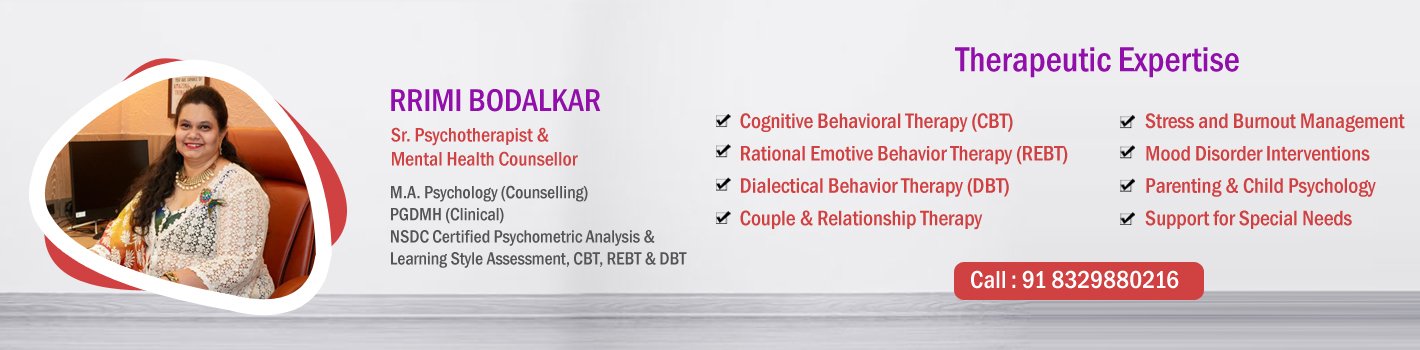
RRIMI BODALKAR is a Sr. Psychotherapist / Mental Health Counsellor practicing in Nagpur, with M.A. Psychology (Counselling), PGDMH (Clinical) and NSDC certification in Psychometric Analysis & Learning Style Assessment. She specializes in CBT, REBT and DBT and provides psychological counselling, student guidance, assessments, emotional support, and career-focused counselling with an individualized and practical approach.
Why Career Counselling Matters for Academic Success
Academic success is not only about scoring high marks. Students perform better when their studies are aligned with their interests, learning style, abilities, motivation, and realistic goals. Career counselling helps identify these factors and can provide a structured approach to academic planning.
A professional Career Counsellor can help students understand different educational pathways and identify areas where additional support may be useful. This is particularly valuable when students are confused about subject selection, competitive examinations, higher education, or long-term career options.
How Career Counselling Supports Students
Effective counselling focuses on the individual student rather than recommending a particular career simply because it is popular. A structured assessment may explore academic performance, interests, personality characteristics, learning preferences, strengths, and areas requiring improvement.
- Identifying strengths and interests that can influence academic and career choices.
- Understanding learning styles and developing more suitable study approaches.
- Reducing academic stress and performance pressure.
- Building confidence and self-awareness.
- Setting realistic short-term and long-term academic goals.
- Helping students understand suitable career and educational pathways.
- Supporting students during important academic transitions.
Career Counselling After 10th and 12th
The transition after Class 10 and Class 12 can be confusing because students have to make decisions that may influence their future education. Career Counselling after 10th and 12th can help students understand available options and evaluate them according to their abilities and aspirations.
Rather than choosing a stream because of peer pressure or family expectations, students can benefit from understanding the requirements, challenges, and opportunities associated with different academic directions. Professional Best Career Guidance for Students can make this decision more organized and thoughtful.
Role of Psychometric and Learning Style Assessments
Psychometric assessment can provide useful information about a student’s interests, abilities, personality characteristics, and preferences. Learning style assessment can also help identify how a student may prefer to process and approach information. These assessments should be interpreted professionally and used as one part of the overall counselling process rather than as the sole basis for a career decision.
For students who require structured evaluation, Cognitive/Intellectual Assessment, Personality Assessment, Learning Disability Assessment, ADHD Testing, Autism Spectrum Disorder Evaluation, or Neuropsychological Testing may be considered when clinically or educationally appropriate.
Career Counselling Procedure
A professional career counselling process generally begins with understanding the student’s concerns and academic background before moving toward assessment and goal planning.
- Initial discussion: Understanding academic performance, interests, concerns, expectations, and career-related questions.
- Assessment: Using suitable psychometric, aptitude, personality, or learning-style assessments when required.
- Interpretation: Discussing the assessment findings in simple and practical terms.
- Career exploration: Reviewing suitable educational streams, courses, career areas, and possible pathways.
- Academic planning: Creating realistic study and development goals.
- Follow-up support: Addressing changing goals, academic stress, confidence issues, or adjustment difficulties when necessary.
Managing Academic Stress and Performance Pressure
Academic pressure can affect concentration, motivation, sleep, confidence, and emotional well-being. When stress becomes persistent, students may benefit from Best Counselling for Stress and Anxiety along with appropriate academic planning.
Students experiencing persistent worry, negative thinking, low confidence, or difficulty coping with expectations may also benefit from Confidence Building Counselling and Self-Esteem Counselling.
Career Counselling for Different Student Needs
Every student has different academic, emotional, and personal circumstances. Some may need guidance regarding stream selection, while others may need support with motivation, confidence, examination pressure, or career uncertainty. A Professional Career Counsellor can help address these concerns in a structured manner.
Students experiencing emotional or behavioural difficulties may also benefit from appropriate psychological support, including Behavioral Therapy, CBT, REBT, or other evidence-based counselling approaches when indicated.
How Parents Can Support Career Counselling
Parents have an important role in a student’s academic journey. Instead of focusing only on marks, parents can encourage open communication and allow children to discuss their interests, difficulties, and career aspirations without fear of criticism.
- Encourage the child to express academic and career concerns.
- Avoid comparing the child with other students.
- Focus on individual strengths and progress.
- Allow informed career decisions rather than relying solely on social pressure.
- Seek professional support when stress, anxiety, or emotional difficulties interfere with academics.
Career Counselling and Mental Well-Being
Career uncertainty can sometimes contribute to anxiety, low self-esteem, sleep difficulties, or emotional distress. When these concerns become significant, counselling may need to address both the academic challenge and the underlying emotional factors. This integrated approach can help students develop healthier coping strategies and greater confidence in their decisions.
Students dealing with persistent anxiety may benefit from Anxiety Counselling, while those experiencing sleep-related difficulties can explore Insomnia Treatment Counseling when appropriate.
Why Choose RRIMI BODALKAR for Career Counselling in Nagpur?
RRIMI BODALKAR combines psychological counselling with structured assessment and career guidance to understand the student’s individual needs. Her specialized training in CBT, REBT, DBT, psychometric analysis, and learning style assessment supports a comprehensive approach to academic, emotional, behavioural, and career-related concerns.
Her counselling approach focuses on self-awareness, practical decision-making, emotional resilience, confidence building, and personalized goal setting. Students and parents can therefore receive guidance that considers not only career choices but also the psychological factors that can influence academic performance.
FAQs About Career Counselling and Academic Success
What is career counselling?
Career counselling is a structured process that helps students understand their interests, abilities, personality, educational options, and potential career pathways so they can make more informed academic decisions.
When should a student consider career counselling?
Career counselling can be useful before selecting an academic stream, during major educational transitions, when a student feels confused about career options, or when academic and career decisions are causing significant stress.
Can career counselling improve academic performance?
It can support academic performance by helping students establish realistic goals, understand their strengths, improve motivation, manage stress, and develop more suitable study strategies. However, outcomes vary from student to student.
Is psychometric testing necessary for career counselling?
Not always. A counsellor may recommend psychometric or learning-style assessments when they can provide useful additional information. The results should be considered alongside the student’s academic history, interests, goals, and personal circumstances.
Can career counselling help students who are already experiencing academic stress?
Yes. Career counselling can help clarify academic goals and reduce uncertainty, while psychological counselling may address anxiety, low confidence, negative thinking, or other emotional concerns affecting the student’s studies.
Can parents participate in career counselling?
Yes. Depending on the student’s age and circumstances, parental participation can help improve communication and provide a more complete understanding of the student’s academic and career concerns.
Career counselling can be an important part of academic success because it helps students make informed decisions while developing self-awareness, confidence, realistic goals, and healthier approaches to academic pressure. With professional guidance from an experienced counsellor, students can explore their potential and approach important educational and career decisions with greater clarity.
