
Mental Health Counsellor in Nagpur: Support for Anxiety, Stress and Emotional Challenges
Emotional well-being is an important part of a healthy and productive life. Anxiety, prolonged stress, relationship difficulties, low confidence, emotional exhaustion, anger, sleep problems and other psychological challenges can affect a person’s work, studies, family life and overall quality of life. Seeking support from a Mental Health Counsellor or qualified mental-health professional can help individuals understand their concerns, identify contributing factors and develop healthier ways of coping. Professional counselling and psychotherapy can provide a structured and confidential environment for people experiencing emotional challenges at different stages of life.
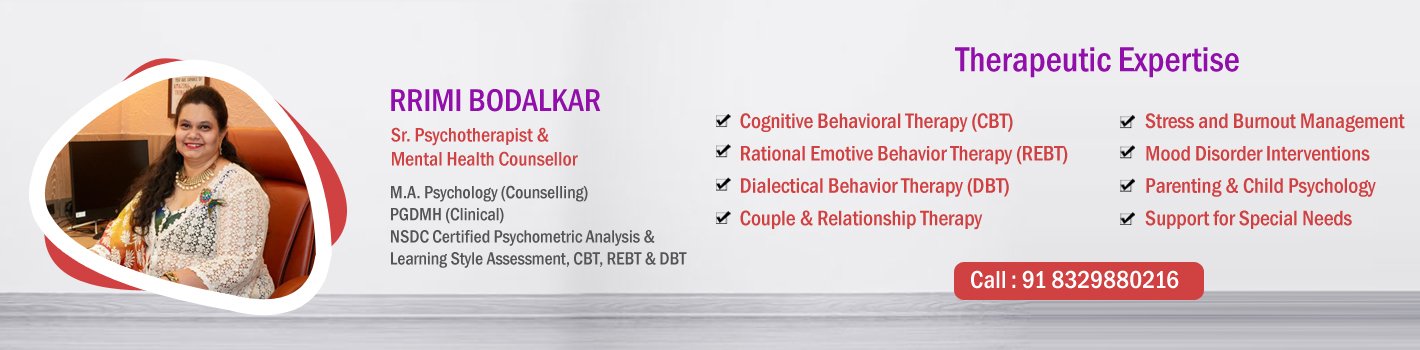
RRIMI BODALKAR, Sr. Psychotherapist / Mental Health Counsellor practicing in Nagpur, provides professional support for individuals experiencing anxiety, stress, emotional difficulties, relationship concerns, confidence-related problems and other behavioural or psychological challenges, with an approach that focuses on understanding the individual’s concerns, developing practical coping strategies and supporting emotional well-being through appropriate counselling and psychotherapy.
People looking for a Trusted Mental Health Counsellor can consider professional counselling when emotional symptoms become persistent, interfere with daily functioning or become difficult to manage independently. Counselling is not only for severe psychological difficulties; it can also support people dealing with everyday stress, life transitions, academic pressure, workplace challenges, relationship problems and personal development.
What Does a Mental Health Counsellor Help With?
A mental-health professional may work with individuals facing a wide range of emotional, behavioural, interpersonal and adjustment-related concerns. The appropriate counselling approach depends on the person’s symptoms, circumstances, goals and level of difficulty. A Qualified Psychologist or psychotherapist can help explore the relationship between thoughts, emotions, behaviours and life circumstances.
- Anxiety, excessive worry and fear
- Chronic stress and emotional exhaustion
- Low confidence and self-esteem concerns
- Anger and emotional regulation difficulties
- Relationship and marriage concerns
- Workplace stress and burnout
- Academic and school-related stress
- Sleep-related difficulties such as insomnia
- Grief and loss
- Life transitions and adjustment difficulties
- Trauma-related emotional difficulties
- Parenting and child behavioural concerns
- Career-related uncertainty and decision-making difficulties
- Personal development and personality-related concerns
Understanding Anxiety and Emotional Stress
Anxiety is a normal emotional response that can occur when a person perceives uncertainty, pressure, danger or an important challenge. However, when excessive worry or fear becomes persistent, difficult to control or disruptive to everyday life, professional Anxiety Counselling may be appropriate.
Stress can also be useful in short periods because it can increase alertness and motivation. Problems may arise when stress becomes prolonged and the person has insufficient opportunity to recover. Persistent stress can contribute to irritability, sleep difficulties, difficulty concentrating, emotional fatigue and reduced ability to cope with routine responsibilities.
Individuals seeking Effective Anxiety Treatment can benefit from an assessment that considers the nature of the anxiety, situations that trigger it, thoughts associated with it, physical sensations, behavioural responses and its impact on daily functioning.
Common Symptoms of Anxiety and Stress
Anxiety and prolonged stress can appear through emotional, cognitive, behavioural and physical changes. Not every person experiences the same symptoms, and the presence of one symptom alone does not establish a specific psychological disorder.
- Persistent or excessive worrying
- Restlessness or feeling constantly on edge
- Difficulty concentrating
- Repeated negative thoughts
- Fear of failure or making mistakes
- Irritability or emotional sensitivity
- Difficulty relaxing
- Sleep difficulties
- Fatigue or emotional exhaustion
- Avoidance of situations that create fear or discomfort
- Reduced confidence in personal or professional situations
- Difficulty making decisions
When these difficulties become persistent, a Best Counselling for Stress and Anxiety approach should focus on understanding the individual’s specific circumstances rather than treating every person in exactly the same way.
Possible Causes of Anxiety, Stress and Emotional Challenges
Emotional difficulties can develop through a combination of biological, psychological, social and environmental factors. There is rarely one single explanation that applies to every individual. A professional assessment can help identify the factors that may be contributing to the person’s current difficulties.
- Academic pressure and examination-related stress
- Career uncertainty or workplace pressure
- Relationship or family conflicts
- Major life changes
- Financial or occupational stress
- Loss, grief or separation
- Traumatic experiences
- Social isolation or lack of emotional support
- Persistent self-criticism and negative thinking
- Low confidence or fear of judgement
- Unhealthy coping patterns
- Long-term sleep difficulties
When Should You Consult a Mental Health Counsellor?
Professional support may be considered when emotional difficulties are persistent, repeatedly return, become difficult to control or begin affecting important areas of life. A person does not have to wait until symptoms become overwhelming before seeking counselling.
- Worry is interfering with concentration or everyday activities
- Stress is affecting sleep, work or relationships
- Emotions feel difficult to control
- Anger is repeatedly affecting relationships
- Low confidence is preventing participation in important activities
- Negative thoughts are becoming repetitive and difficult to interrupt
- A person is avoiding situations because of fear or anxiety
- Relationship conflicts are becoming frequent
- Academic or workplace stress is affecting performance
- A major loss or life transition is becoming difficult to manage
People experiencing persistent symptoms may explore an Experienced Psychotherapist for a structured assessment and individualized counselling plan.
How Psychotherapy and Counselling Can Help
Psychotherapy provides a structured setting in which individuals can discuss emotional concerns, identify unhelpful patterns and develop healthier responses. The objective is not simply to talk about problems but to understand patterns and work towards practical changes that are appropriate for the individual.
Depending on the individual’s needs, counselling may include approaches such as Cognitive Behavioral Therapy (CBT), Rational Emotive Behavior Therapy (REBT), Dialectical Behavior Therapy (DBT), behavioural strategies, emotional regulation techniques, supportive counselling and other evidence-informed psychological approaches.
Step-by-Step Procedure of Psychological Counselling
A professional counselling process generally begins with understanding the person’s concerns and circumstances. The exact structure can differ depending on the individual and the type of problem being addressed.
- Initial discussion: The primary concern, symptoms, duration and current difficulties are discussed.
- Psychological history: Relevant personal, family, academic, occupational and relationship factors may be explored.
- Identification of triggers: Situations, thoughts or experiences associated with emotional distress are identified.
- Pattern recognition: Repeated thought and behavioural patterns may be examined.
- Goal setting: Practical and realistic counselling goals are established.
- Therapeutic intervention: Suitable psychological strategies are introduced according to the person’s needs.
- Skill development: The individual may learn emotional regulation, communication, coping and problem-solving skills.
- Progress review: Changes are reviewed and the counselling approach can be adjusted when necessary.
Cognitive Behavioral Therapy (CBT) for Anxiety and Stress
Cognitive Behavioral Therapy (CBT) focuses on the connection between thoughts, emotions and behaviours. When a person repeatedly interprets situations in a threatening, hopeless or excessively negative way, emotional distress can increase. CBT-based counselling may help the person identify unhelpful thinking patterns and develop more balanced ways of responding.
- Identifying recurring negative thoughts
- Understanding how thoughts influence emotions
- Recognizing avoidance and unhelpful behavioural patterns
- Developing practical coping strategies
- Practising healthier responses to stressful situations
Negative Thinking, Low Confidence and Self-Esteem
Repeated self-criticism can influence confidence and emotional well-being. People may begin to believe that they are incapable, unsuccessful or constantly being judged by others. Such thinking can contribute to avoidance, hesitation and reduced participation in personal, academic or professional opportunities.
Self-Esteem Counselling can focus on understanding the origins of negative self-perception and developing healthier patterns of self-evaluation. Similarly, a Confidence Building Counsellor can help individuals work on communication, self-belief, decision-making and participation in challenging situations.
Negative Thinking Therapy may also involve identifying automatic negative thoughts, examining whether those thoughts are supported by evidence and developing more balanced perspectives without ignoring genuine problems.
Anger Management and Emotional Regulation
Anger is a normal human emotion, but repeated intense anger can become problematic when it results in aggressive communication, damaged relationships, impulsive decisions or persistent emotional distress. Anger can sometimes be connected with stress, frustration, perceived injustice, unresolved relationship problems or difficulty expressing needs.
Support from an Anger Management Psychologist may focus on recognizing early emotional signals, identifying triggers, improving communication and developing healthier ways to respond before anger escalates.
Relationship, Marriage and Couple Counselling
Relationship difficulties can contribute significantly to emotional stress. Repeated misunderstandings, communication problems, unresolved conflicts, trust concerns or differences in expectations may affect both partners.
Relationship & Marriage Counselling can provide a structured environment for discussing concerns, improving communication and understanding recurring relationship patterns. Depending on the situation, Couple & Relationship Therapy may focus on communication, emotional awareness, conflict resolution and mutually agreed goals.
Individuals searching for a Best Relationship Counsellor or Couple Counsellor should consider the professional’s experience with the specific relationship concern and the importance of confidentiality and respectful communication.
Depression, Emotional Exhaustion and Loss of Interest
Persistent sadness, loss of interest, low motivation, fatigue, negative thinking and social withdrawal can occur in depression and other emotional difficulties. These symptoms can affect work, education, relationships and daily responsibilities.
People experiencing persistent emotional symptoms can seek support from a Depression Counsellor. Depending on the assessment, counselling may focus on emotional awareness, behavioural patterns, coping strategies, thought patterns, daily functioning and personal support systems.
Individuals looking for Depression Therapy or a Depression Therapist should receive an individualized assessment because emotional symptoms can arise from different circumstances and may require different forms of psychological support.
Stress Reduction and Healthy Coping Strategies
Stress management is not about eliminating every stressful event. Instead, counselling can help individuals understand their stress responses and develop healthier ways of managing responsibilities, emotions and difficult situations.
- Recognizing personal stress triggers
- Improving time and priority management
- Developing realistic expectations
- Learning emotional regulation techniques
- Improving communication and boundary-setting
- Building supportive social connections
- Developing healthier responses to negative thoughts
- Maintaining a consistent sleep and daily routine
Stress and Burnout Management Counselling can be particularly relevant when occupational pressure, academic responsibilities or prolonged emotional demands leave a person feeling mentally exhausted and unable to recover adequately.
Insomnia, Sleep Problems and Emotional Health
Sleep and emotional health are closely connected. Persistent worry, stress, racing thoughts and emotional distress can interfere with the ability to fall asleep or maintain a consistent sleep pattern. Poor sleep can, in turn, make concentration, emotional regulation and stress management more difficult.
Individuals experiencing persistent sleep-related difficulties can explore Insomnia Treatment Counseling to understand behavioural and emotional factors that may be contributing to their sleep difficulties.
Trauma, PTSD, Grief and Loss Counselling
Traumatic experiences, bereavement and major losses can produce strong emotional reactions. Some individuals may experience persistent fear, avoidance, intrusive memories, emotional numbness, sadness or difficulty adjusting after a distressing event.
Trauma and PTSD Therapy can provide structured psychological support for people experiencing trauma-related difficulties. Similarly, Grief and Loss Counselling can help individuals process emotions associated with bereavement, separation or significant personal loss.
Fears, Phobias and Avoidance
Fear is a natural protective response, but an intense or disproportionate fear that repeatedly causes avoidance can interfere with everyday life. People may avoid travel, social situations, public speaking, particular environments or other situations because of fear.
Fears and Phobias Treatment Counseling can help individuals understand the relationship between fear, thoughts, physical responses and avoidance behaviours. Counselling may gradually focus on healthier coping and confidence-building strategies according to the person’s needs.
Career, Academic and Workplace Stress Counselling
Career uncertainty can be a major source of emotional pressure for students and young adults. Choosing an academic stream, preparing for examinations, comparing oneself with peers or feeling uncertain about future employment can contribute to anxiety and reduced confidence.
A Professional Career Counsellor can help students explore interests, strengths, preferences, educational pathways and realistic career possibilities. Best Career Guidance for Students should involve more than simply suggesting a popular profession; it should encourage informed decision-making based on the student’s individual circumstances.
Students can also consider Career Counselling after 10th and 12th when selecting educational streams, courses or future career directions.
Child Psychology, School Stress and Parenting Support
Children and adolescents may express emotional difficulties differently from adults. Changes in behaviour, school performance, social interaction, sleep, mood or communication may sometimes indicate that a child is experiencing emotional or developmental difficulties.
A Child Psychologist may evaluate age-appropriate emotional, behavioural and developmental concerns. Counselling may also involve parents when family support and communication are relevant to the child’s well-being.
- School-related stress
- Academic pressure
- Social difficulties
- Behavioural changes
- Low confidence
- Difficulty adjusting to major changes
- Parent-child communication concerns
Parenting Support & Coaching can help parents understand behavioural patterns, communication difficulties and age-appropriate emotional needs.
Behavioural Therapy and Habit Counselling
Repeated behaviours can sometimes become difficult to change even when a person understands that they are unhelpful. Behavioral Therapy can focus on identifying triggers, understanding consequences and gradually developing healthier behavioural patterns.
People struggling with repetitive or difficult-to-control habits can consider Habit Counselling. The counselling process can focus on awareness, triggers, emotional needs, alternative responses and sustainable behavioural changes.
Personality Development and Personal Counselling
Personal growth can involve improving communication, self-awareness, confidence, emotional regulation and decision-making. Personal Counselling can provide a private setting to explore concerns that may not fit into one specific psychological category.
Personality Development Counselling may focus on interpersonal communication, self-confidence, emotional awareness, goal-setting and constructive responses to challenges. Such counselling is intended to support development rather than label an individual’s personality.
Public Speaking Anxiety and Social Confidence
Fear of public speaking, interviews, presentations or social evaluation can affect students and professionals. A person may know the subject well but still experience intense nervousness when speaking in front of others.
Public Speaking Anxiety Treatment Counselling can focus on identifying fear-based thoughts, understanding physical anxiety responses, improving preparation strategies and gradually building confidence in communication situations.
Specialized Psychological Assessment
In some situations, counselling alone may not answer every question. A structured psychological assessment may be useful when there are concerns regarding learning, attention, cognitive abilities, personality or neuropsychological functioning.
- Cognitive/Intellectual Assessment, including appropriate IQ testing
- Personality Assessment
- Neuropsychological Testing
- ADHD Testing
- Autism Spectrum Disorder Evaluation
- Learning Disability Assessment
- Executive functioning assessment
The purpose of assessment is to understand an individual’s functioning more systematically. Testing should be selected and interpreted by an appropriately qualified professional rather than relying on informal online questionnaires alone.
Fertility-Related Emotional Support
Fertility concerns can create emotional pressure for individuals and couples. Uncertainty, repeated appointments, social expectations and concerns about the future may contribute to anxiety, sadness or relationship strain.
Fertility Counselling can provide emotional support while individuals or couples navigate the psychological challenges associated with fertility concerns. Counselling can focus on coping, communication, emotional regulation and relationship support.
Sports Psychology and Performance-Related Stress
Athletes may experience pressure related to performance, competition, expectations, injury recovery or fear of failure. Psychological support can help athletes understand performance-related thoughts and develop strategies for maintaining focus, confidence and emotional balance.
Sports Psychology Counselling may address performance anxiety, concentration, confidence, motivation, emotional regulation and coping with competitive pressure.
How to Choose a Mental Health Counsellor
When selecting a mental-health professional, individuals should consider qualifications, relevant experience, confidentiality, communication style and whether the professional works with the specific concern requiring support.
- Relevant professional qualifications
- Experience with the specific concern
- Confidential and respectful consultation
- Individualized counselling approach
- Clear communication about the counselling process
- Appropriate psychological assessment when required
- Referral to another healthcare professional when the concern requires additional expertise
Why Confidentiality Matters in Mental Health Counselling
People may hesitate to discuss anxiety, relationships, family conflict, career uncertainty or personal difficulties because of fear of judgement. A confidential counselling environment can make it easier to discuss sensitive experiences honestly and work collaboratively towards appropriate goals.
A Trusted Mental Health Counsellor can provide a structured environment where concerns can be discussed respectfully while maintaining appropriate professional boundaries and confidentiality.
When Anxiety or Stress Requires More Immediate Professional Attention
Persistent emotional distress should not be ignored when it significantly interferes with everyday functioning. Professional evaluation becomes particularly important when a person feels unable to manage routine responsibilities, experiences severe emotional distress or has thoughts of self-harm or suicide.
In situations involving immediate danger, suicidal thoughts, self-harm or an inability to remain safe, the person should seek urgent in-person medical or emergency support and involve a trusted person rather than relying solely on routine counselling appointments.
Frequently Asked Questions About Mental Health Counselling
1. What does a Mental Health Counsellor do?
A Mental Health Counsellor provides structured psychological support for concerns such as stress, anxiety, emotional difficulties, relationship problems, low confidence, life transitions and behavioural concerns. The counselling process generally involves understanding the concern, identifying patterns and working towards practical psychological goals.
2. When should I seek professional help for anxiety?
Professional support may be useful when anxiety becomes persistent, difficult to control or starts interfering with sleep, concentration, relationships, education, work or everyday activities.
3. Is counselling only for people with severe mental-health problems?
No. Counselling can also support people dealing with everyday stress, career uncertainty, relationship difficulties, academic pressure, low confidence, grief, life transitions and personal-development goals.
4. Can counselling help with workplace stress and burnout?
Yes. Workplace Stress & Burnout Counseling can help individuals understand sources of occupational stress, emotional exhaustion, unrealistic expectations, communication difficulties and unhealthy coping patterns.
5. Can a counsellor help with relationship problems?
Yes. Relationship Counselling, Marriage Counselling and Couple & Relationship Therapy can provide a structured environment for communication, conflict resolution and understanding recurring relationship patterns.
6. Can counselling help improve confidence?
Counselling can help individuals explore self-critical thoughts, fear of judgement, avoidance patterns and communication difficulties. Confidence Building Counselling may focus on developing healthier self-perception and practical coping strategies.
7. What is CBT?
Cognitive Behavioral Therapy (CBT) is a psychological approach that examines relationships between thoughts, emotions and behaviours. It can be used as part of counselling for several concerns, including anxiety and stress, when clinically appropriate.
8. What is REBT?
Rational Emotive Behavior Therapy (REBT) focuses on the relationship between beliefs, emotional responses and behavioural reactions. Counselling may use REBT-based strategies to examine rigid or unhelpful beliefs.
9. What is DBT?
Dialectical Behavior Therapy (DBT) includes skills-oriented approaches involving emotional regulation, distress tolerance, mindfulness and interpersonal effectiveness. Its use depends on the individual’s needs and professional assessment.
10. Can children receive psychological counselling?
Yes. Children and adolescents may benefit from age-appropriate psychological support for school stress, behavioural concerns, social difficulties, emotional challenges and adjustment problems. A Child Psychologist can determine an appropriate approach based on the child’s age and circumstances.
11. Can counselling help with academic stress?
Yes. Academic Stress Counselling can help students understand examination pressure, performance anxiety, procrastination, fear of failure, negative self-talk and difficulties with study-related routines.
12. Can counselling help with career-related anxiety?
Career-related counselling can help individuals understand their interests, strengths, preferences, goals and concerns about educational or occupational choices. It can be particularly useful during periods of significant career decision-making.
13. How long does counselling take?
There is no single duration that applies to everyone. The number and frequency of sessions can depend on the nature of the concern, individual goals, progress and the counselling approach being used.
14. Is mental-health counselling confidential?
Professional counselling is generally conducted within appropriate confidentiality and professional-ethical boundaries. Individuals can discuss confidentiality practices directly with their counsellor before beginning the counselling process.
Anxiety, stress and emotional difficulties can affect people in different ways, from reduced concentration and sleep problems to relationship conflicts, low confidence and difficulty managing everyday responsibilities. Recognizing persistent symptoms and seeking professional guidance can be an important step towards understanding the underlying emotional and behavioural patterns.
A Qualified Psychologist, Experienced Psychotherapist or Trusted Mental Health Counsellor can provide individualized support for anxiety, stress, emotional challenges, relationship concerns, anger management, confidence difficulties, grief, career-related stress and other psychological concerns. For individuals seeking professional psychological support in Nagpur, Experienced Psychotherapist services can be considered according to the individual’s specific needs.
Whether the concern involves anxiety, workplace stress, academic pressure, relationship difficulties, low self-esteem, emotional exhaustion or a major life transition, the right counselling approach should be based on individual assessment, professional expertise, confidentiality and realistic therapeutic goals. Early support can help individuals understand their challenges and develop healthier ways of responding to emotional and everyday life demands.
Disclaimer: The information provided in this article is for educational purposes only and should not be substituted for professional medical advice, diagnosis, or treatment. Always seek the advice of your physician regarding any medical condition.