
Psychotherapy for Anxiety and Stress in Nagpur: When Should You Seek Professional Help?
Anxiety and stress are common emotional experiences, but when they become persistent, intense, or difficult to manage, they can affect sleep, concentration, relationships, work, education, and overall quality of life. People may experience excessive worrying, racing thoughts, irritability, emotional exhaustion, low confidence, difficulty sleeping, physical tension, or a constant feeling of being overwhelmed. Psychotherapy for anxiety and stress can provide a structured and confidential space to understand these concerns, identify contributing factors, develop healthier coping strategies, and improve emotional well-being.
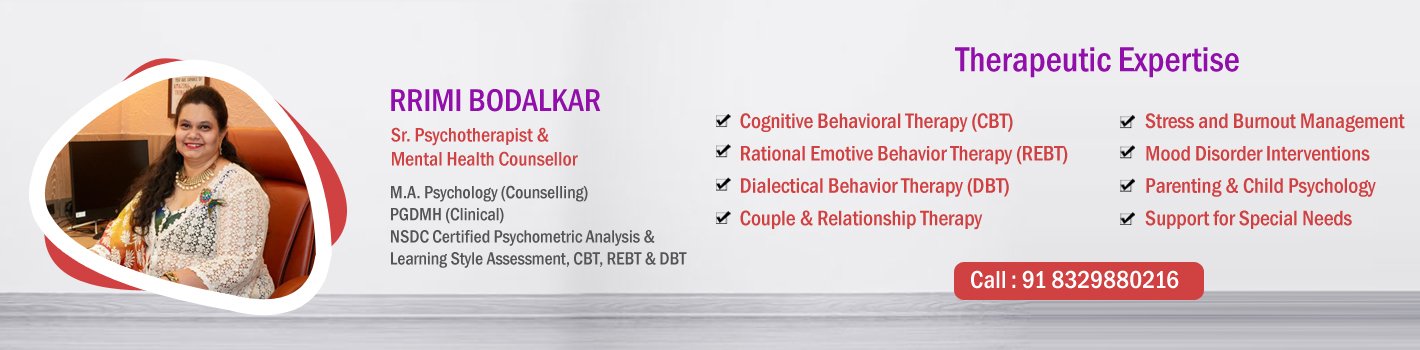
For individuals seeking professional support, Experienced Psychotherapist RRIMI BODALKAR provides psychological and counselling support for a range of emotional and behavioural concerns. Professional assessment can help determine whether a person may benefit from Anxiety Counselling, Stress Reduction Coping Strategies, Behavioral Therapy, Cognitive Behavioral Therapy (CBT), Rational Emotive Behavior Therapy (REBT), or other appropriate psychological approaches.
Understanding Anxiety and Stress
Anxiety involves feelings of fear, apprehension, nervousness, or excessive worry, often related to situations that may happen in the future. A certain amount of anxiety can be a normal response to challenges, but persistent anxiety may become difficult to control and may interfere with everyday functioning.
Stress is the physical and emotional response to demanding or challenging circumstances. Academic pressure, workplace responsibilities, relationship difficulties, financial concerns, major life changes, family responsibilities, health concerns, and uncertainty can all contribute to stress. When stress continues for a prolonged period without adequate recovery, it may contribute to emotional exhaustion, sleep difficulties, irritability, reduced concentration, and other problems.
When anxiety or stress begins to interfere with daily life, seeking a Best Counselling for Stress and Anxiety may provide an opportunity to understand the underlying patterns and learn practical ways to manage them.
Common Symptoms of Anxiety and Stress
Anxiety and stress can affect thoughts, emotions, physical sensations, behaviour, and relationships. Symptoms vary between individuals and may change according to the situation.
- Persistent or excessive worrying
- Racing or repetitive thoughts
- Feeling restless, tense, or constantly alert
- Irritability or frequent frustration
- Difficulty concentrating
- Reduced confidence and self-doubt
- Difficulty falling asleep or staying asleep
- Emotional exhaustion
- Feeling overwhelmed by ordinary responsibilities
- Avoidance of situations that create fear or discomfort
- Difficulty making decisions
- Changes in motivation or productivity
- Relationship difficulties
- Physical tension or stress-related discomfort
- Fear of failure, rejection, criticism, or uncertainty
Persistent symptoms should not automatically be interpreted as a specific mental health disorder. A qualified professional can assess the duration, intensity, triggers, functional impact, and broader circumstances before determining an appropriate counselling or psychotherapy approach.
When Does Normal Stress Become a Concern?
Temporary stress is often connected with a specific situation and may improve when the situation changes or adequate recovery occurs. Concern may arise when stress becomes persistent, disproportionate, difficult to control, or disruptive to daily functioning.
- Stress continues even after the triggering situation has improved.
- Worry occupies a large part of the day.
- Sleep is repeatedly disturbed.
- Work, studies, or household responsibilities become difficult to manage.
- Relationships are affected by irritability or emotional withdrawal.
- The person increasingly avoids normal activities.
- Confidence decreases because of repeated worry or perceived failure.
- Stress begins to affect physical well-being or everyday functioning.
In such situations, Effective Anxiety Treatment through professional psychological assessment and appropriate psychotherapy may help identify the factors maintaining anxiety and develop healthier coping patterns.
Major Causes and Contributing Factors of Anxiety and Stress
Anxiety and stress rarely have only one cause. Different people may respond differently to similar circumstances because of personality, previous experiences, coping patterns, current responsibilities, social environment, and emotional resources.
- Academic pressure and examination-related stress
- Workplace pressure and professional uncertainty
- Relationship or family conflicts
- Financial or career-related uncertainty
- Major life transitions
- Previous stressful or traumatic experiences
- Perfectionism and excessive self-criticism
- Fear of failure or rejection
- Low self-esteem and lack of confidence
- Difficulty setting personal boundaries
- Social pressure and comparison with others
- Persistent negative thinking patterns
- Relationship insecurity
- Long-term emotional exhaustion
- Difficulty adapting to change
Understanding the contributing factors is an important part of Qualified Psychologist support because counselling can then be tailored to the person’s individual circumstances rather than relying on a one-size-fits-all approach.
When Should You Seek Professional Help for Anxiety?
Professional help may be appropriate when anxiety becomes difficult to manage independently or starts affecting important areas of life. Seeking support does not mean that a person is weak or unable to cope. Counselling can provide structured assistance before emotional difficulties become more disruptive.
- Worry feels excessive or uncontrollable.
- Anxiety repeatedly interferes with sleep.
- Fear causes avoidance of important activities.
- Work or academic performance is declining.
- Relationships are becoming strained.
- Confidence has significantly decreased.
- Stress is causing persistent emotional exhaustion.
- Anxiety continues for an extended period.
- Previous coping strategies are no longer sufficient.
People looking for Best Anxiety Disorders Treatment can begin with a professional assessment to understand whether their symptoms are related to situational stress, anxiety patterns, emotional difficulties, or another concern requiring additional evaluation.
How Psychotherapy for Anxiety and Stress Works
Psychotherapy is a structured process in which a trained mental health professional helps an individual understand thoughts, emotions, behaviours, relationships, and coping patterns. The process is collaborative and generally focuses on practical psychological skills, emotional understanding, and healthier responses to challenging situations.
Depending on the individual’s needs, psychotherapy may focus on identifying negative thought patterns, improving emotional regulation, developing coping strategies, addressing avoidance, strengthening communication, building confidence, improving problem-solving, and understanding behavioural patterns.
Psychotherapy and Counselling Procedure
The exact process varies according to the individual’s concerns, age, circumstances, and goals. A professional consultation commonly involves the following stages:
- Initial consultation: Understanding the primary concern, symptoms, duration, triggers, and impact on daily life.
- Psychological history: Exploring relevant personal, family, educational, occupational, relationship, and emotional history.
- Identification of patterns: Recognising recurring thoughts, behaviours, emotional responses, avoidance patterns, or interpersonal difficulties.
- Goal setting: Establishing realistic and meaningful counselling goals.
- Therapeutic intervention: Applying suitable psychological and behavioural strategies based on the individual’s needs.
- Skill development: Learning practical approaches for emotional regulation, communication, problem-solving, and stress management.
- Progress review: Reviewing changes over time and adjusting the counselling approach when required.
- Long-term coping: Strengthening skills that can support emotional resilience and healthier responses to future challenges.
Cognitive Behavioral Therapy (CBT) for Anxiety and Stress
Cognitive Behavioral Therapy (CBT) focuses on the relationship between thoughts, emotions, and behaviours. Anxiety can sometimes be maintained by patterns such as catastrophic thinking, excessive prediction of negative outcomes, self-criticism, or avoidance. CBT can help individuals identify these patterns and work toward more balanced and constructive responses.
CBT may be particularly relevant when a person experiences negative thinking, excessive worry, fear of failure, low confidence, avoidance, or difficulty managing stressful situations. The process generally involves identifying patterns, examining their effects, developing alternative perspectives, and practising healthier behavioural responses.
Rational Emotive Behavior Therapy (REBT)
Rational Emotive Behavior Therapy (REBT) explores how beliefs and interpretations can influence emotional reactions and behaviour. Some individuals place unrealistic demands on themselves, such as believing they must always succeed, always satisfy others, or never make mistakes.
Through structured discussion, individuals may learn to recognise rigid or unhelpful beliefs and develop more flexible ways of responding to setbacks, criticism, uncertainty, and everyday challenges.
Dialectical Behavior Therapy (DBT) and Emotional Regulation
Dialectical Behavior Therapy (DBT) incorporates skills related to emotional regulation, distress tolerance, mindfulness, and interpersonal effectiveness. These skills may be useful for individuals who experience intense emotions, difficulty controlling reactions, relationship challenges, or difficulty managing distress.
The suitability of any therapeutic approach depends on the individual’s concerns and professional assessment. Therapy should be adapted rather than selected simply because a particular method is widely known.
Stress Reduction and Coping Strategies
Effective stress management is not about eliminating every stressful situation. Instead, counselling can help individuals develop healthier ways of responding to unavoidable challenges. Stress Reduction Coping Strategies may include improving time management, setting realistic expectations, identifying controllable and uncontrollable factors, strengthening communication, maintaining healthy routines, and recognising early signs of emotional overload.
- Identify major sources of stress.
- Break overwhelming tasks into manageable steps.
- Develop realistic expectations.
- Practise healthy emotional expression.
- Improve communication and boundary-setting.
- Maintain regular sleep and daily routines.
- Include appropriate physical activity.
- Recognise negative thinking patterns.
- Seek professional support when self-management is insufficient.
Anxiety, Low Confidence and Negative Thinking
Anxiety and low confidence can reinforce each other. A person may worry about failure, avoid challenging situations, experience temporary relief from avoidance, and then become even less confident about handling similar situations in the future. This cycle can gradually affect education, career development, social interaction, and personal relationships.
A Confidence Building Counsellor can help individuals examine self-doubt, develop realistic self-evaluation, improve communication, and work toward greater confidence through gradual and practical psychological strategies.
Similarly, Negative Thinking Therapy may focus on recognising automatic negative thoughts, understanding their triggers, examining their effects, and developing more balanced interpretations.
Stress, Anxiety and Sleep Problems
Stress and anxiety can interfere with sleep by keeping the mind active at night. Repeated worrying, anticipation of future events, unresolved emotional concerns, or irregular routines may contribute to difficulty falling asleep or staying asleep.
Individuals experiencing persistent sleep-related difficulties can explore Insomnia Treatment Counseling to understand psychological and behavioural factors that may be affecting sleep. Addressing underlying anxiety and stress may form an important part of the overall counselling process.
Anxiety and Relationship Problems
Emotional stress can affect communication, trust, emotional availability, and conflict resolution within relationships. At the same time, unresolved relationship difficulties can increase anxiety and emotional strain.
People experiencing ongoing relationship-related stress may consider Relationship & Marriage Counselling. Where both partners are willing to participate, Couple & Relationship Therapy can provide a structured setting to improve communication, understand recurring conflict patterns, and work toward healthier relationship dynamics.
Individuals specifically searching for a Best Relationship Counsellor should consider relevant professional qualifications, confidentiality, experience with the presenting concern, and the ability to provide an appropriate assessment.
Anger, Irritability and Emotional Stress
Stress and anxiety can sometimes appear as irritability rather than obvious fear or worry. A person may become impatient, frustrated, emotionally reactive, or easily angered. Repeated anger can affect family relationships, friendships, workplace interactions, and personal well-being.
An Anger Management Psychologist can help individuals understand triggers, emotional escalation, communication patterns, and behavioural responses. Anger Management counselling may focus on recognising early warning signs, developing emotional regulation skills, improving communication, and reducing harmful reactions.
Anxiety and Depression Can Overlap
Anxiety and depression are different experiences, but they can occur together. Persistent worry, emotional exhaustion, social withdrawal, reduced motivation, hopelessness, low confidence, or loss of interest may require a more comprehensive psychological assessment.
People experiencing persistent low mood can explore Best Depression Treatment or Depression Counsellor support for professional assessment and psychological care.
Depression Therapy may involve understanding emotional patterns, behavioural changes, negative thinking, interpersonal difficulties, motivation, and everyday functioning. The specific therapeutic approach should be determined according to individual needs.
Trauma, Emotional Distress and Life Transitions
Previous traumatic experiences, significant loss, major life changes, relocation, career transitions, relationship changes, bereavement, or other difficult experiences can produce emotional distress. Some people may experience avoidance, intrusive memories, fear, emotional numbness, irritability, or difficulty adjusting.
Professional Trauma and PTSD Therapy can provide a structured environment for understanding trauma-related symptoms and developing appropriate coping and emotional regulation skills.
Similarly, Grief and Loss Counselling can support individuals dealing with bereavement or other significant losses. Life Transitions and Adjustment Counselling may also help people adapt to major changes in personal, academic, professional, or family circumstances.
Fears, Phobias and Avoidance
Some people experience intense fear related to particular situations, objects, social circumstances, travel, public speaking, health concerns, or other triggers. Avoidance may provide temporary relief but can sometimes reinforce fear over time.
Fears and Phobias Treatment Counseling may focus on understanding the fear response, identifying avoidance patterns, improving coping skills, and gradually developing healthier responses under professional guidance.
For individuals experiencing fear specifically related to speaking before others, Public Speaking Anxiety Treatment Counselling can address anticipatory anxiety, self-consciousness, fear of judgment, communication confidence, and performance-related thought patterns.
Career Stress and Anxiety Among Students
Students may experience significant anxiety when choosing subjects, preparing for examinations, comparing themselves with peers, meeting family expectations, or deciding on future career pathways. Career uncertainty can become emotionally overwhelming when students feel they must make a perfect decision without adequate information.
A Professional Career Counsellor can help students explore interests, strengths, values, abilities, educational pathways, and realistic career possibilities in a structured manner.
Parents and students seeking Best Career Guidance for Students can benefit from a process that focuses on informed exploration rather than pressure or comparison.
Career Counselling after 10th and 12th can be particularly useful when students are uncertain about academic streams, higher education options, vocational pathways, or future professional interests.
Academic Stress and School-Related Emotional Problems
Children and teenagers may experience anxiety through changes in behaviour rather than directly describing emotional distress. School refusal, irritability, withdrawal, excessive worry, changes in academic performance, sleep difficulties, perfectionism, or fear of examinations can sometimes indicate that a child is struggling emotionally.
A Child Psychologist can assess age-appropriate emotional, behavioural, social, and developmental concerns. School Issues Stress Counselling and Academic Stress Counselling can help address examination pressure, peer concerns, academic expectations, adjustment difficulties, and emotional challenges related to school.
Parents may also benefit from Parenting Support & Coaching when they need guidance on communication, boundaries, emotional support, behaviour, or managing stress within the family.
Behavioral Therapy for Emotional and Behavioural Concerns
Behavioral Therapy focuses on understanding the relationship between behaviour, environment, consequences, and emotional responses. It may be useful for developing healthier routines, reducing avoidance, improving coping behaviours, and addressing patterns that interfere with daily functioning.
Habit Counselling may also be considered when repetitive behaviours or established habits are interfering with productivity, relationships, sleep, or emotional well-being. Counselling can help identify triggers and develop alternative behavioural responses.
For children, appropriate interventions may include Play Therapy, behavioural strategies, parent guidance, and age-appropriate emotional support depending on the child’s developmental stage and presenting concerns.
Self-Esteem, Confidence and Personality Development
Low self-esteem may influence how individuals interpret criticism, failure, relationships, academic performance, and professional challenges. A person may underestimate abilities, avoid opportunities, or repeatedly compare themselves with others.
Self-Esteem Counselling can help individuals examine self-critical beliefs, identify strengths, develop realistic self-evaluation, and improve emotional resilience.
Low Confidence Counselling and Personality Development Counselling may also focus on communication, self-awareness, decision-making, interpersonal skills, assertiveness, and confidence in appropriate personal or professional situations.
Assessment Services in Psychological Care
In selected situations, psychological assessment can provide additional information about cognitive functioning, personality characteristics, learning patterns, attention, behaviour, or developmental concerns. Assessment should be conducted using appropriate tools and interpreted within the individual’s overall clinical context.
- Cognitive/Intellectual Assessment, including appropriate IQ testing.
- Personality Assessment when clinically or professionally relevant.
- Neuropsychological Testing for selected cognitive or behavioural concerns.
- ADHD Testing as part of a comprehensive assessment process.
- Autism Spectrum Disorder Evaluation when developmental concerns are present.
- Learning Disability Assessment for specific academic difficulties.
Assessment results should not be interpreted in isolation. A comprehensive evaluation considers developmental history, educational functioning, behaviour, emotional factors, family observations, and other relevant information.
Workplace Stress, Burnout and Professional Pressure
Long working hours, unrealistic expectations, lack of recovery time, workplace conflict, role uncertainty, performance pressure, and difficulty maintaining boundaries can contribute to workplace stress. Persistent emotional exhaustion may affect concentration, motivation, productivity, and relationships.
Workplace Stress & Burnout Counseling can focus on identifying stress patterns, improving coping strategies, setting healthier boundaries, managing expectations, and developing practical approaches to workplace challenges. Executive Coaching may also be relevant when professionals seek structured support for leadership, communication, decision-making, performance, and professional development.
How to Choose a Mental Health Professional
When looking for a Trusted Mental Health Counsellor, it is useful to consider professional qualifications, relevant experience, confidentiality, communication style, assessment methods, and whether the professional works with the specific concern involved.
- Relevant professional qualifications and training
- Experience with the presenting concern
- Confidential and respectful communication
- Individualised assessment and counselling planning
- Clear explanation of the counselling process
- Appropriate referral when another specialist is required
Individuals searching for Qualified Psychologist support should focus on professional suitability for their specific concern rather than choosing solely on generic claims or labels.
RRIMI BODALKAR – Sr. Psychotherapist / Mental Health Counsellor in Nagpur
RRIMI BODALKAR, Sr. Psychotherapist / Mental Health Counsellor practicing in Nagpur, provides professional psychological support for concerns related to anxiety, stress, emotional well-being, relationships, confidence, behavioural patterns, career-related concerns, and other mental health needs. Her counselling approach can involve detailed understanding of the individual’s concerns, emotional and behavioural patterns, personal circumstances, and goals, with appropriate psychological strategies and confidential support. Individuals seeking an Experienced Psychotherapist can consider professional assessment and personalised counselling according to their specific needs.
Personal Counselling for Emotional Well-Being
Personal Counselling can provide an individual space to discuss emotional difficulties, decision-making challenges, self-confidence, stress, relationships, adjustment, or other personal concerns. The purpose is not simply to discuss problems but to understand patterns and work toward practical, meaningful changes.
Individuals may seek support for Negative Thinking Therapy, Low Confidence Counselling, Self-Esteem Counselling, Stress and Burnout Management Counselling, Mood Disorder Interventions Therapy, Anger Management, Relationship Counselling, or other concerns depending on their circumstances.
Fertility and Emotional Health
Fertility-related concerns can create significant emotional pressure for individuals and couples. Uncertainty, repeated medical appointments, family expectations, relationship stress, and fear about the future may contribute to anxiety or sadness.
Fertility Counselling can provide emotional support and a confidential setting to discuss stress, expectations, relationship concerns, coping patterns, and the psychological impact of fertility-related challenges.
Relationship and Marriage Counselling
Relationship difficulties may involve communication problems, recurring arguments, emotional distance, trust concerns, misunderstandings, differences in expectations, or difficulty resolving conflicts. Counselling can help individuals or couples understand these patterns and develop healthier communication strategies.
Relationship Counselling can be considered when emotional or communication difficulties repeatedly affect a relationship. A Couple Counsellor can facilitate structured conversations where appropriate, while Marriage Counselling may address recurring marital conflicts and communication difficulties.
When Professional Help Should Not Be Delayed
Professional support should be considered when emotional symptoms are persistent, worsening, or significantly interfering with everyday life. Certain situations may require prompt evaluation by an appropriate mental health professional or medical service.
- Persistent anxiety that significantly affects daily functioning
- Severe emotional distress
- Persistent inability to sleep or function normally
- Significant withdrawal from family, work, education, or social activities
- Severe mood changes
- Trauma-related symptoms that interfere with everyday life
- Thoughts of self-harm or suicide
If someone is experiencing thoughts of self-harm, suicide, or immediate danger, they should seek urgent local emergency or crisis support rather than relying only on routine counselling appointments.
Frequently Asked Questions About Psychotherapy for Anxiety and Stress
1. What is psychotherapy for anxiety and stress?
Psychotherapy is a structured psychological process that helps individuals understand thoughts, emotions, behaviours, and coping patterns associated with anxiety and stress. It may help develop healthier emotional responses, coping skills, communication strategies, and behavioural patterns.
2. When should I seek professional help for anxiety?
Professional help may be appropriate when anxiety becomes persistent, difficult to control, interferes with sleep or concentration, affects relationships or work, causes avoidance, or significantly reduces quality of life.
3. Is stress always a mental health disorder?
No. Stress is a normal response to demanding circumstances. It becomes a greater concern when it is prolonged, overwhelming, difficult to manage, or significantly affects daily functioning.
4. Can psychotherapy help with low confidence?
Yes. Psychological counselling can explore self-critical thinking, fear of failure, comparison with others, avoidance, and other factors contributing to low confidence. Confidence Building Counselling may focus on realistic self-evaluation, communication, emotional resilience, and gradual behavioural change.
5. Can anxiety affect relationships?
Yes. Anxiety can contribute to reassurance-seeking, withdrawal, irritability, communication difficulties, insecurity, or avoidance. Relationship-focused counselling can help individuals understand how emotional patterns influence relationship dynamics.
6. Can psychotherapy help with workplace stress?
Psychotherapy and counselling can help individuals understand workplace stressors, emotional responses, boundaries, coping patterns, communication difficulties, and burnout-related concerns. The approach should be tailored to the individual’s circumstances.
7. Can students receive counselling for academic stress?
Yes. Students may benefit from counselling when academic pressure, examinations, career uncertainty, peer concerns, perfectionism, or family expectations become emotionally overwhelming. Academic Stress Counselling can help students understand their stress patterns and develop practical coping strategies.
8. Is CBT useful for anxiety?
Cognitive Behavioral Therapy (CBT) is a structured psychological approach that examines the relationship between thoughts, emotions, and behaviours. It may be useful for people experiencing unhelpful thinking patterns, excessive worry, avoidance, and anxiety-related difficulties.
9. What happens during the first psychotherapy session?
The first session generally involves discussing the main concern, symptoms, relevant history, current circumstances, goals, and factors affecting daily functioning. The professional may then explain possible counselling approaches and develop an appropriate plan.
10. Can counselling help with anger and irritability?
Yes. Anger Management counselling can explore triggers, thought patterns, emotional escalation, communication habits, and behavioural responses. The objective is to develop healthier ways of recognising and managing emotional reactions.
11. Can psychotherapy help after a traumatic experience?
Professional psychological support can help individuals understand trauma-related emotional responses, avoidance, distress, and coping difficulties. Trauma and PTSD Therapy should be adapted to the individual’s history and current needs.
12. How can I choose a psychotherapist?
Consider professional qualifications, relevant experience, confidentiality, communication, assessment methods, and whether the professional has experience with the concern for which support is being sought. Individuals may review information about an Experienced Psychotherapist before making an informed decision.
Psychotherapy for Anxiety and Stress: A Personalised Approach to Emotional Wellness
Anxiety and stress can affect people at different stages of life, from school and college students to working professionals, parents, couples, and older adults. The signs may appear as excessive worry, low confidence, irritability, disturbed sleep, avoidance, relationship difficulties, academic pressure, workplace burnout, or emotional exhaustion. Recognising these signs and seeking appropriate professional support can be an important step toward better emotional well-being.
For people in Nagpur seeking psychological support, Best Anxiety Disorders Treatment, Depression Therapy, Behavioral Therapy, Cognitive Behavioral Therapy (CBT), REBT, DBT, relationship counselling, career counselling, and other psychological services may be considered according to individual needs and professional assessment.
The most appropriate counselling approach depends on the individual’s symptoms, circumstances, goals, age, relationships, and functional difficulties. A confidential consultation with a qualified professional can help clarify these factors and establish a structured path toward healthier coping, emotional resilience, and improved quality of life.
Disclaimer: The information provided in this article is for educational purposes only and should not be substituted for professional medical advice, diagnosis, or treatment. Always seek the advice of your physician regarding any medical condition.