
The Role of Psychotherapy in Personal Growth and Self-Discovery
The Role of Psychotherapy in Personal Growth and Self-Discovery : Psychotherapy is not only helpful when a person is experiencing anxiety, depression, stress, or emotional difficulties. It can also become a valuable process of personal growth, self-discovery, emotional awareness, and positive change. Through a supportive therapeutic relationship, individuals can better understand their thoughts, emotions, behaviors, relationships, strengths, and personal goals.
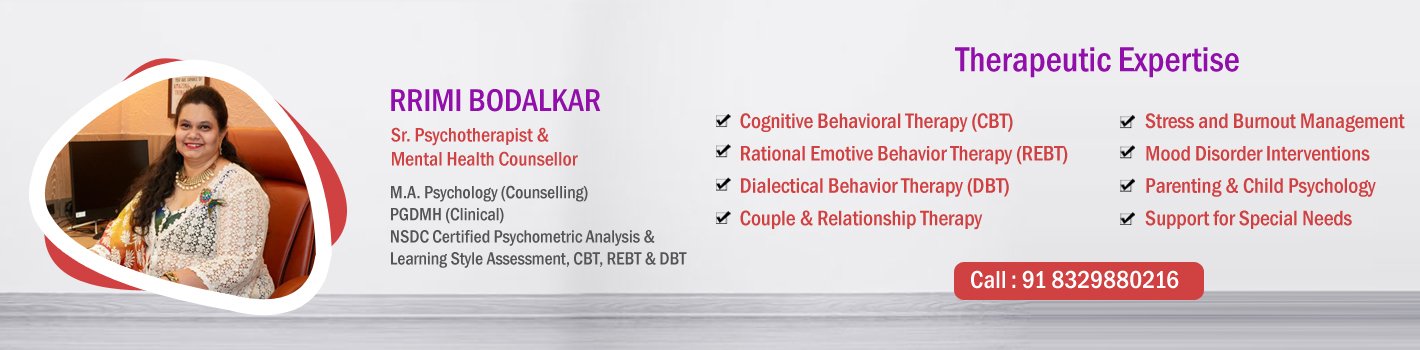
RRIMI BODALKAR is a Sr. Psychotherapist / Mental Health Counsellor practicing in Nagpur, with qualifications including M.A. Psychology (Counselling), PGDMH (Clinical), and NSDC Certification in Psychometric Analysis & Learning Style Assessment. She specializes in CBT, REBT and DBT and provides individualized support for emotional well-being, personal development, relationships, stress management, and behavioral concerns.
What Is Personal Growth Through Psychotherapy?
Personal growth involves developing a better understanding of yourself and learning healthier ways to respond to life’s challenges. Psychotherapy provides a structured and confidential environment where individuals can explore concerns without judgment and gradually develop greater emotional clarity.
Therapy may help a person identify recurring patterns, understand emotional triggers, challenge unhelpful beliefs, and recognize behaviors that may be preventing progress. This process can support healthier decision-making and stronger relationships.
How Psychotherapy Supports Self-Discovery
Self-discovery means developing a deeper understanding of who you are, what you value, what influences your decisions, and what you want from your personal and professional life. Psychotherapy can support this process through thoughtful conversations, reflection, and evidence-based therapeutic techniques.
- Understanding emotions: Recognizing and expressing emotions in healthier ways.
- Identifying thought patterns: Understanding negative or unhelpful thinking patterns.
- Recognizing personal strengths: Building awareness of existing abilities and resources.
- Improving self-esteem: Developing a more balanced and realistic view of yourself.
- Clarifying goals: Understanding personal priorities and making purposeful decisions.
- Changing behavioral patterns: Developing healthier responses to recurring situations.
Building Confidence and Self-Esteem
Low confidence can affect relationships, career decisions, communication, and everyday choices. Confidence Building Counsellor support can help individuals examine self-doubt, fear of failure, excessive self-criticism, and limiting beliefs.
Similarly, Self-Esteem Counselling can encourage individuals to develop healthier self-perception and recognize their achievements without depending entirely on external validation.
The Role of CBT, REBT and DBT in Personal Development
Cognitive Behavioral Therapy (CBT) can help individuals understand the connection between thoughts, emotions, and behaviors. It may be particularly useful when negative thinking patterns interfere with personal growth.
Rational Emotive Behavior Therapy (REBT) focuses on identifying rigid or unrealistic beliefs and developing more balanced ways of thinking. Dialectical Behavior Therapy (DBT) can support emotional regulation, distress tolerance, mindfulness, and interpersonal effectiveness.
These approaches can be adapted according to the individual’s concerns, goals, emotional needs, and therapeutic progress rather than following a one-size-fits-all approach.
Psychotherapy for Stress, Anxiety and Negative Thinking
Persistent stress and anxiety can make it difficult to focus on personal development. Individuals may benefit from Best Counselling for Stress and Anxiety when worry, emotional pressure, or overthinking begins to interfere with daily life.
Anxiety Counselling may help individuals understand anxiety triggers and develop practical coping strategies. For persistent negative thought patterns, Negative Thinking Therapy can focus on recognizing cognitive distortions and replacing them with more realistic perspectives.
Improving Relationships Through Self-Awareness
Personal growth often influences the quality of relationships. Understanding one’s communication style, emotional reactions, boundaries, expectations, and relationship patterns can help improve interpersonal connections.
For individuals experiencing relationship difficulties, Relationship Counselling in Nagpur can provide a structured space to understand recurring conflicts. Relationship & Marriage Counselling may also help couples communicate more effectively and work toward healthier relationship patterns.
Psychotherapy for Career and Personal Decisions
Self-discovery is also important when making educational and professional decisions. Career-related uncertainty can sometimes be influenced by fear, low confidence, family expectations, or difficulty understanding personal interests and abilities.
A Professional Career Counsellor can help individuals explore their interests, abilities, learning preferences, and career goals. For students, Career Counselling after 10th and 12th can support informed educational planning.
Psychotherapy Procedure for Personal Growth
The therapeutic process generally begins with understanding the individual’s concerns and goals. The exact duration and approach vary according to personal needs.
- Initial assessment: Understanding current concerns, emotional experiences, relationships, lifestyle, and goals.
- Goal setting: Identifying specific areas where the individual wants to improve.
- Pattern identification: Exploring recurring thoughts, emotions, behaviors, and interpersonal patterns.
- Therapeutic intervention: Using suitable approaches such as CBT, REBT, DBT, behavioral therapy, or other appropriate techniques.
- Skill development: Learning healthier coping, communication, emotional regulation, and problem-solving strategies.
- Progress review: Evaluating changes and adjusting the therapeutic approach when needed.
Other Areas Where Psychotherapy Can Help
Personal growth may involve different areas of life. Depending on individual needs, psychotherapy and counselling may address Behavioral Therapy, Insomnia Treatment Counseling, habit-related concerns, emotional adjustment, workplace stress, parenting concerns, and communication difficulties.
Support may also be appropriate for Trauma and PTSD Therapy, Grief and Loss Counselling, Fears and Phobias Treatment Counseling, and Life Transitions and Adjustment Counselling.
Psychometric and Psychological Assessments
Self-understanding can sometimes be supported by structured assessments. Depending on the purpose, Cognitive/Intellectual Assessment, Personality Assessment, Learning Disability Assessment, ADHD Testing, Autism Spectrum Disorder Evaluation, Neuropsychological Testing, and learning-style assessments may provide useful information for appropriate planning.
Such assessments should be selected and interpreted by a qualified professional and should form part of a broader understanding of the individual’s concerns rather than being considered in isolation.
Why Choose RRIMI BODALKAR for Personal Growth and Self-Discovery?
RRIMI BODALKAR brings a structured and individualized approach to psychotherapy and counselling in Nagpur. Her background in counselling psychology, clinical mental health training, psychometric analysis, learning-style assessment, and specialized training in CBT, REBT and DBT supports a goal-oriented approach to emotional and personal development.
Her work can be relevant for individuals seeking an Experienced Psychotherapist or a Trusted Mental Health Counsellor for personal concerns, emotional challenges, relationship difficulties, stress, confidence issues, or self-development goals.
Frequently Asked Questions
Can psychotherapy help even if I do not have a mental health disorder?
Yes. Psychotherapy can be used not only for mental health conditions but also for self-awareness, personal growth, emotional skills, relationship improvement, stress management, and life transitions.
How does psychotherapy help with self-discovery?
It provides a confidential environment to explore thoughts, emotions, beliefs, behaviors, relationships, strengths, and personal goals, helping individuals develop greater self-understanding.
How long does psychotherapy take?
There is no fixed duration. The number and frequency of sessions depend on the individual’s goals, concerns, progress, and therapeutic needs.
Can psychotherapy improve confidence?
It may help individuals identify self-critical thinking, understand the causes of self-doubt, develop healthier beliefs, and practice more effective coping and communication strategies.
Is psychotherapy confidential?
Psychotherapy is generally conducted within professional confidentiality requirements, subject to applicable ethical and legal exceptions. Individuals can discuss confidentiality practices with their therapist before beginning treatment.
Psychotherapy can be an important tool for personal growth and self-discovery, helping individuals understand themselves more clearly, manage emotional challenges, develop healthier patterns, and make decisions aligned with their goals and values. With an individualized approach and evidence-based techniques, RRIMI BODALKAR provides psychotherapy and counselling support for people seeking meaningful personal and emotional development in Nagpur.