
The Benefits of Therapy for Stress, Anxiety, and Depression
The Benefits of Therapy for Stress, Anxiety, and Depression : In today’s fast-paced life, emotional pressure has become a common part of daily living. Work deadlines, family responsibilities, academic stress, financial strain, relationship difficulties, and the constant demand to “stay strong” can slowly build up and affect mental well-being. Many people silently carry stress, anxiety, and depression for months or even years before seeking support. Therapy offers a safe, structured, and compassionate space where these struggles can be understood and treated in a healthy way. For individuals looking for Effective Anxiety Treatment, Best Depression Treatment, or Best Counselling for Stress and Anxiety, therapy can be the first meaningful step toward healing and emotional balance.
Therapy is not only for severe mental illness. It is also for people who feel emotionally stuck, overwhelmed, tense, unmotivated, or unable to enjoy life the way they once did. A skilled psychotherapist helps individuals identify the causes of distress, change harmful patterns, and develop healthier responses to life’s challenges. This is why many people search for an Experienced Psychotherapist or a Trusted Mental Health Counsellor when emotional pressure begins interfering with daily life.
Why Therapy Matters for Mental Health
Stress, anxiety, and depression are deeply connected. A person may begin with stress, develop anxious thoughts, and eventually feel emotionally exhausted or hopeless. Therapy helps interrupt this cycle before it becomes more serious. It gives the person a chance to understand what is happening internally rather than simply fighting symptoms day by day.
The biggest benefit of therapy is that it creates clarity. Many people do not fully understand why they feel restless, low, irritable, tired, or disconnected. A therapist helps uncover those hidden patterns and explains them in a way that feels manageable. In a professional setting, a person can talk openly without fear of judgment, criticism, or dismissal. That emotional safety is often the beginning of recovery.
Therapy is also practical. It does not only focus on feelings; it teaches coping strategies, emotional regulation, communication skills, boundary-setting, and healthier thinking habits. For many people, that makes therapy a powerful tool for long-term improvement rather than temporary relief.
Benefits of Therapy for Stress
Stress is one of the most common reasons people seek psychological support. It may come from work pressure, exam stress, relationship conflict, family expectations, financial uncertainty, or constant multitasking. Left unmanaged, stress can affect sleep, concentration, mood, physical health, and decision-making.
Therapy helps with stress in several ways:
- It identifies the real trigger behind the stress instead of treating only the surface reaction.
- It teaches coping strategies that help the mind and body calm down.
- It improves time and energy management, so pressure feels less overwhelming.
- It reduces emotional overload by helping the person express what they have been holding inside.
- It supports healthier routines for sleep, rest, and daily balance.
People who search for Anxiety Counselling Nagpur often also need stress management support because stress and anxiety frequently appear together. Therapy can help the person slow down mentally, regain control, and respond to pressure with greater stability.
Benefits of Therapy for Anxiety
Anxiety can feel like constant worry, fear, restlessness, racing thoughts, tightness in the chest, or an uneasy sense that something bad may happen. In some cases, anxiety appears as panic, social fear, health anxiety, perfectionism, or overthinking. It can affect work, studies, relationships, and self-confidence.
Therapy is highly effective because it helps the person understand the thought patterns that keep anxiety alive. A therapist may use Cognitive Behavioral Therapy (CBT), Rational Emotive Behavior Therapy (REBT), Dialectical Behavior Therapy (DBT), relaxation training, or emotional regulation techniques depending on the person’s needs.
Some major benefits of therapy for anxiety include:
- Lowering excessive worry and mental restlessness
- Improving control over fearful thoughts
- Building confidence in daily situations
- Reducing avoidance behavior
- Strengthening emotional resilience
- Helping the person face triggers gradually and safely
For people struggling with ongoing fear, panic, or overthinking, services such as Best Anxiety Disorders Treatment and Best Counselling for Stress and Anxiety can make a life-changing difference. Therapy does not remove all life pressure, but it helps the person stop living under constant mental alarm.
Benefits of Therapy for Depression
Depression is more than sadness. It may show up as low energy, loss of interest, poor concentration, irritability, hopelessness, guilt, emotional numbness, or the feeling that daily tasks have become unusually heavy. Some people continue functioning on the outside while feeling deeply exhausted inside.
Therapy helps because depression often changes the way a person thinks about themselves, their future, and the world around them. A psychotherapist supports the person in challenging those thoughts and gradually rebuilding motivation, emotional connection, and self-worth.
Important benefits of therapy for depression include:
- Restoring hope when life feels emotionally dull or pointless
- Breaking negative thinking cycles
- Improving motivation for daily activity
- Supporting self-esteem and self-respect
- Helping with emotional expression instead of silent suffering
- Rebuilding healthy routines step by step
This is why many people seek Depression Counsellor in Nagpur or Depression Therapy in Nagpur when sadness starts becoming a long-term burden. With the right support, emotional heaviness can gradually turn into emotional strength.
How Therapy Improves Daily Life
One of the most overlooked advantages of therapy is its effect on everyday functioning. Mental health struggles do not only affect emotions; they also affect how a person studies, works, communicates, sleeps, and makes decisions. When therapy begins helping the mind feel safer and more organized, daily life often becomes more manageable.
Therapy may improve:
- Sleep quality by reducing mental overactivity at night
- Focus and concentration by calming distracting thoughts
- Communication by teaching the person how to express feelings clearly
- Relationships by reducing anger, fear, or emotional withdrawal
- Productivity by restoring energy and direction
- Self-control by helping the person pause before reacting
People often think therapy is only about “talking,” but it actually creates measurable changes in behavior, thinking, and emotional regulation. That is why working with a Qualified Psychologist can support both mental relief and practical life improvement.
Therapy Helps Build Emotional Strength
Emotional strength is not about suppressing pain or pretending everything is fine. It is about being able to handle difficulty without being completely overwhelmed by it. Therapy helps the person become more aware of emotions, more tolerant of discomfort, and more skillful in responding to life’s challenges.
This emotional strength often develops through:
- Better self-awareness
- Healthier thought patterns
- Improved coping methods
- Stronger boundaries
- Greater confidence in handling uncertainty
- More stable relationships
For individuals facing low confidence, negative self-talk, or repeated emotional setbacks, support from a Confidence Building Counsellor Nagpur or Self-Esteem Counselling Nagpur can be especially valuable.
Therapy for Relationship and Family Stress
Stress, anxiety, and depression often become stronger when relationship problems are present. Family conflict, misunderstandings, lack of emotional support, or constant arguments can increase tension and make healing more difficult. Therapy helps individuals learn how to communicate more calmly, set boundaries, and deal with emotional tension in a healthier way.
This is one reason why many people choose Relationship & Marriage Counselling, Relationship Counselling in Nagpur, or Best Relationship Counsellor in Nagpur when emotional stress is affecting marriage or family life. Therapy can reduce blame, improve understanding, and create a more respectful way of resolving conflict.
Who Can Benefit from Therapy?
Therapy is helpful for many different people, not just those with a diagnosed mental health condition. It is useful for students, working professionals, homemakers, couples, parents, teenagers, and anyone who feels emotionally burdened.
Common groups who benefit from therapy include:
- People experiencing long-term stress
- People with frequent anxiety or panic
- People feeling low, hopeless, or emotionally drained
- Couples having communication or trust issues
- Students under academic pressure
- Parents facing behavior or parenting concerns
- Individuals struggling with grief, trauma, or major life changes
If someone is unsure whether they need therapy, that uncertainty itself may be a sign that support would help. Speaking to an Online Mental Health Counsellor or an Experienced Psychotherapist can bring clarity without pressure.
Why Early Therapy Is Better Than Waiting
Many people wait until stress becomes unbearable before asking for help. But early therapy is often easier, more effective, and less emotionally draining than waiting for a crisis. The earlier a person begins working on stress, anxiety, or depression, the more likely they are to recover before the problem starts affecting every part of life.
Early support can prevent:
- Worsening emotional symptoms
- Sleep disruption
- Relationship breakdown
- Reduced academic or work performance
- Loss of confidence and motivation
- Long-term emotional exhaustion
That is why people often search for Effective Anxiety Treatment or Best Depression Treatment early, instead of waiting until life becomes unmanageable.
About RRIMI BODALKAR
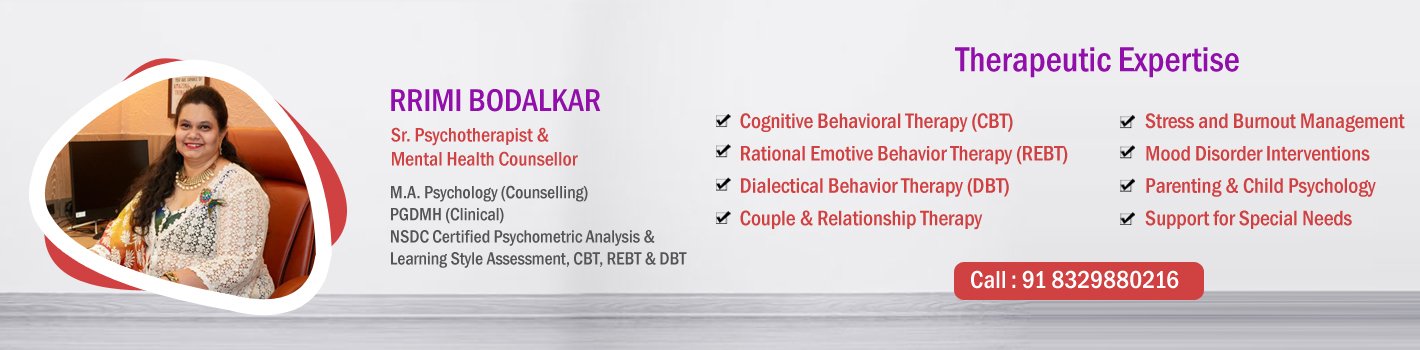
RRIMI BODALKAR, Sr. Psychotherapist / Mental Health Counsellor, M.A. Psychology (Counselling), PGDMH (Clinical), NSDC Certified Psychometric Analysis & Learning Style Assessment, and CBT, REBT & DBT (Specialised), practicing in Nagpur, provides compassionate and structured support for individuals dealing with stress, anxiety, depression, relationship issues, low confidence, emotional imbalance, and life transitions. Her approach combines clinical understanding with practical counselling methods, helping people build clarity, confidence, and emotional resilience in a supportive and professional environment.
Procedure of Therapy for Stress, Anxiety, and Depression
Therapy is a structured, confidential, and evidence-based process that helps individuals understand their emotions, identify unhealthy thought patterns, improve coping mechanisms, and develop healthier behavioral responses. Unlike temporary solutions, psychotherapy focuses on addressing the underlying causes of emotional distress while equipping individuals with lifelong skills to maintain mental wellness. Whether someone is seeking Effective Anxiety Treatment, Best Anxiety Disorders Treatment, or Best Depression Treatment, the therapy process is personalized according to the individual’s emotional, psychological, and behavioral needs.
The treatment process generally involves the following stages:
- Initial Psychological Assessment
- Identification of Emotional Triggers
- Development of an Individualized Therapy Plan
- Evidence-Based Therapeutic Interventions
- Lifestyle and Emotional Wellness Coaching
- Regular Progress Evaluation
- Relapse Prevention and Long-Term Mental Wellness
Initial Psychological Assessment
The first therapy session focuses on understanding the individual’s concerns in detail. The psychotherapist discusses emotional symptoms, stress levels, personal history, relationships, career or academic challenges, family dynamics, sleep patterns, lifestyle habits, and coping mechanisms.
When necessary, psychological assessments may include:
- Psychometric Analysis
- Learning Style Assessment
- Cognitive/Intellectual Assessment (IQ Testing)
- Personality Assessment
- Neuropsychological Testing
- ADHD Testing
- Autism Spectrum Disorder Evaluation
- Learning Disability Assessment
These assessments provide valuable insights into emotional functioning, cognitive abilities, personality traits, behavioral patterns, and learning preferences, enabling the therapist to design a highly individualized treatment plan.
Identifying the Root Cause of Emotional Distress
Stress, anxiety, and depression rarely develop without reason. During therapy, the psychotherapist helps uncover the underlying factors contributing to emotional difficulties. These may include unresolved trauma, chronic workplace stress, academic pressure, relationship conflicts, financial worries, grief, low self-esteem, perfectionism, unrealistic expectations, or persistent negative thought patterns.
Understanding these underlying causes allows therapy to focus on meaningful, long-term healing rather than simply reducing symptoms.
Evidence-Based Therapy Techniques
Modern psychotherapy uses scientifically proven therapeutic approaches tailored to the individual’s needs.
- Cognitive Behavioral Therapy (CBT): Helps identify and replace negative thinking patterns that contribute to anxiety, depression, and chronic stress.
- Rational Emotive Behavior Therapy (REBT): Focuses on changing irrational beliefs that create emotional suffering and replacing them with healthier, realistic perspectives.
- Dialectical Behavior Therapy (DBT): Enhances emotional regulation, distress tolerance, interpersonal effectiveness, and mindfulness, making it highly beneficial for individuals struggling with overwhelming emotions.
- Behavioral Therapy: Helps replace unhealthy habits and emotional reactions with positive behavioral changes.
- Mindfulness-Based Techniques: Encourage present-moment awareness and reduce excessive worrying, rumination, and emotional reactivity.
These therapies are widely recognized as highly effective for individuals seeking professional emotional support from an Experienced Psychotherapist or a Qualified Psychologist.
How Therapy Helps Manage Stress
Stress can affect every aspect of life, including physical health, emotional well-being, productivity, and relationships. Therapy helps individuals recognize stress triggers and develop healthier responses before stress becomes overwhelming.
The therapist may help individuals:
- Develop healthy stress management techniques.
- Improve work-life balance.
- Strengthen emotional resilience.
- Build effective time management skills.
- Reduce emotional exhaustion and burnout.
- Improve communication and conflict resolution.
- Practice relaxation and mindfulness exercises.
- Develop healthy coping mechanisms.
Individuals looking for Best Counselling for Stress and Anxiety often experience significant improvements in emotional balance, confidence, and overall quality of life through regular therapy.
How Therapy Helps Reduce Anxiety
Anxiety often causes excessive worry, panic, fear, overthinking, and avoidance behaviors. Therapy helps individuals understand how anxious thoughts develop and teaches practical methods to manage them.
Benefits include:
- Reduced panic attacks.
- Better emotional regulation.
- Improved confidence.
- Reduced overthinking.
- Healthier response to uncertainty.
- Better concentration.
- Improved sleep quality.
- Greater emotional stability.
Many individuals benefit from services such as Anxiety Counselling Nagpur and Effective Anxiety Treatment to regain confidence and emotional well-being.
How Therapy Helps Treat Depression
Depression often causes emotional numbness, sadness, hopelessness, fatigue, loss of motivation, social withdrawal, and reduced interest in everyday activities. Therapy helps individuals gradually rebuild emotional strength and restore a sense of purpose.
Therapeutic interventions commonly focus on:
- Improving self-esteem.
- Developing positive thinking patterns.
- Increasing motivation through behavioral activation.
- Managing negative self-talk.
- Strengthening coping strategies.
- Restoring healthy daily routines.
- Improving interpersonal relationships.
- Preventing relapse.
Professional guidance from a Depression Counsellor in Nagpur or through Depression Therapy in Nagpur can help individuals regain hope and improve overall emotional health.
Lifestyle Recommendations During Therapy
Therapy becomes even more effective when supported by healthy lifestyle habits. The psychotherapist may recommend:
- Maintaining a consistent sleep routine.
- Regular physical exercise.
- Practicing mindfulness and meditation.
- Limiting excessive screen time.
- Maintaining healthy social connections.
- Following a balanced diet.
- Practicing gratitude and journaling.
- Learning assertive communication skills.
- Setting realistic goals.
- Continuing therapeutic exercises between sessions.
These habits support emotional recovery and help sustain the benefits achieved through therapy.
When Should You Consider Therapy?
Professional therapy should be considered if emotional distress begins interfering with personal relationships, academic performance, work responsibilities, sleep, physical health, or overall quality of life.
You may benefit from therapy if you experience:
- Persistent stress or emotional exhaustion.
- Constant worrying or panic attacks.
- Low mood lasting for several weeks.
- Difficulty sleeping due to anxiety.
- Relationship conflicts.
- Loss of motivation.
- Low confidence or self-esteem.
- Difficulty coping with life changes.
- Workplace burnout.
- Academic pressure.
Early intervention often prevents emotional concerns from becoming more severe and promotes faster recovery.
Frequently Asked Questions (FAQs)
Q1. Can therapy completely cure stress, anxiety, and depression?
Therapy significantly reduces symptoms, improves coping skills, strengthens emotional resilience, and helps individuals manage future challenges effectively. Recovery depends on individual circumstances, commitment, and consistency.
Q2. How long does therapy usually take?
The duration varies depending on the individual’s condition, severity of symptoms, treatment goals, and progress. Some individuals benefit from short-term counselling, while others require longer-term therapy.
Q3. Which therapy is best for anxiety and depression?
CBT, REBT, and DBT are among the most effective evidence-based therapies for managing anxiety, depression, stress, emotional regulation, and negative thinking.
Q4. Is therapy confidential?
Yes. Therapy sessions are conducted with strict professional confidentiality, allowing individuals to discuss personal concerns in a safe and supportive environment.
Q5. Can therapy improve confidence and relationships?
Absolutely. Therapy strengthens communication skills, emotional intelligence, self-esteem, decision-making, conflict resolution, and interpersonal relationships.
Q6. Can students benefit from therapy?
Yes. Therapy helps students manage academic stress, examination anxiety, career uncertainty, confidence issues, emotional challenges, and personal development.
About RRIMI BODALKAR
RRIMI BODALKAR, Sr. Psychotherapist / Mental Health Counsellor, M.A. Psychology (Counselling), PGDMH (Clinical), NSDC Certified Psychometric Analysis & Learning Style Assessment, and CBT, REBT & DBT (Specialised), practicing in Nagpur, provides comprehensive psychological counselling for stress, anxiety, depression, relationship concerns, anger management, career guidance, parenting challenges, emotional trauma, self-esteem issues, and behavioral concerns. Her evidence-based, compassionate, and personalized therapeutic approach empowers individuals to overcome emotional difficulties and achieve long-term mental wellness. Individuals seeking a Trusted Mental Health Counsellor can benefit from her holistic counselling services.
Conclusion
Therapy is one of the most effective investments an individual can make for emotional health and overall well-being. It not only reduces symptoms of stress, anxiety, and depression but also strengthens emotional resilience, improves relationships, enhances self-confidence, and promotes healthier thinking patterns. Through evidence-based approaches such as CBT, REBT, DBT, and personalized counselling, individuals can build lifelong emotional skills that improve every aspect of life. Seeking timely support from an experienced psychotherapist can transform emotional struggles into opportunities for personal growth, resilience, and lasting mental wellness.