
A Helping Hand: A Guide to Support for Special Needs Counselling 🎗️
Support for special needs counselling is a vital form of mental health counselling that provides a wide range of support for children and adults with unique developmental, physical, or emotional needs. This specialized field is not just about addressing the disability itself, but about helping individuals and their families navigate the emotional, social, and psychological challenges that often come with it. A dedicated psychologist or counselling center can play a crucial role in empowering individuals with special needs to build resilience, develop essential skills, and lead fulfilling lives.
A Trusted Professional in Nagpur: Rrimi Bodalkar
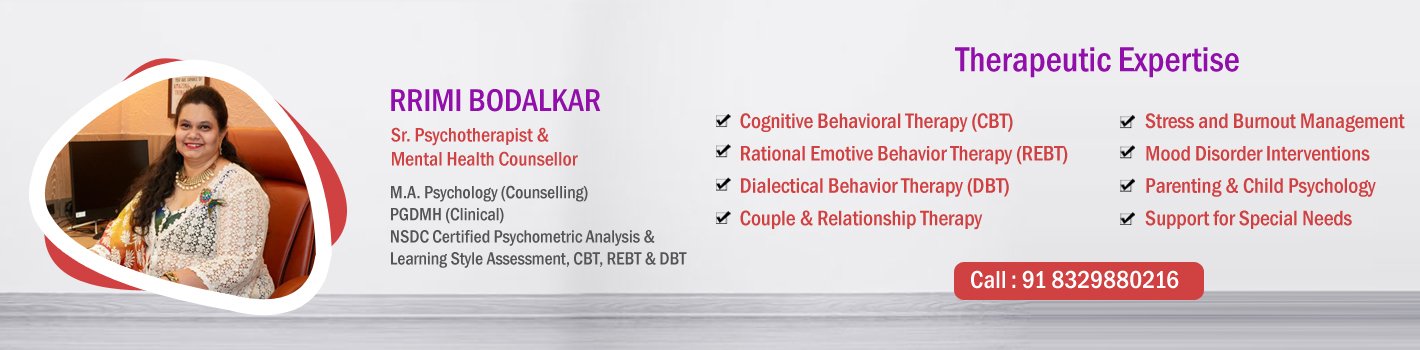
For those in Nagpur, Rrimi Bodalkar, a Sr. Psychotherapist / Mental Health Counsellor, is a highly qualified professional with expertise in support for special needs children. Holding an M.A. in Psychology (Counselling) and a PGDMH (Clinical), she has a strong foundation in a wide range of therapeutic practices. Her specialization in CBT, REBT & DBT (Specialised) makes her particularly adept at addressing the emotional and behavioral challenges that often accompany special needs. As an NSDC Certified professional in Psychometric Analysis & Learning Style Assessment, she is well-equipped to provide a holistic and data-driven approach to helping individuals and their families find a path to well-being and improved quality of life.
Recognizing the Symptoms & Causes
Special needs can encompass a variety of conditions, from learning disabilities like dyslexia to developmental disorders such as Autism spectrum evaluation and ADHD. The need for counselling often becomes apparent through a set of distinct symptoms:
- Emotional & Psychological Concerns: Individuals may experience heightened levels of anxiety, frustration, or depression due to academic struggles, social isolation, or difficulty communicating their needs. These issues can lead to low self-esteem and feelings of inadequacy, which may require a confidence building counsellor and negative thinking therapist.
- Behavioral Challenges: Unmanaged emotions can manifest as behavioral issues such as defiance, aggression, or social withdrawal. A child psychologist may be needed to address these concerns, as they can be rooted in an inability to cope with specific triggers.
- Social Difficulties: A lack of inclusion and difficulties with social skills training can lead to feelings of loneliness and rejection.
- Family Stress: Parents and caregivers often experience their own emotional challenges, including workplace stress, burnout, or grief and loss counselling, as they navigate the complexities of raising a child with special needs.
The causes of these symptoms are tied to the unique challenges of living with a special need. These can include communication barriers, sensory sensitivities, and the constant demand for specialized support that can feel overwhelming for both the individual and their family.
The Procedure of Treatment: A Tailored & Collaborative Approach
The procedure of treatment for support for special needs counselling is highly individualized, focusing on the specific needs of the person and their family.
- Initial Assessment: The psychologist will conduct a comprehensive evaluation to understand the individual’s strengths, challenges, and specific diagnosis. This may involve formal assessments such as ADHD testing, Autism spectrum evaluation, or a more general Personality assessment.
- Specialized Therapies: A range of therapeutic interventions may be used, often in combination. These can include:
- Behavioral therapy: A core component that focuses on reducing unwanted behaviors and promoting healthy ones. This can be based on principles of Applied Behavior Analysis (ABA) for individuals with autism.
- Cognitive Behavioral Therapy (CBT): To help individuals identify and challenge negative thinking patterns that contribute to anxiety and low self-esteem.
- Dialectical Behavior Therapy (DBT): To teach emotional regulation and distress tolerance, particularly for those with intense mood swings.
- Parent & Family Support: A parenting support counsellor works closely with the family to teach effective communication strategies, emotional regulation techniques, and anger management counselling skills. This helps create a cohesive and supportive environment. Couple therapy and marriage counselling may also be offered to support the relationship between the parents.
- Skills Training: The professional provides targeted skills training in areas such as social skills training, communication, and independence. The goal is to empower the individual to navigate their daily life more effectively.
Frequently Asked Questions (FAQ’s)
Q1: How do I know if my child with special needs needs counselling?
A: If your child is exhibiting persistent behavioral issues, extreme mood swings, or signs of emotional distress such as anxiety and sadness, it may be time to consult a child psychologist.
Q2: Can counselling help a child with ADHD or Autism?
A: Yes. Counselling can be a vital part of a comprehensive treatment plan for children with ADHD and Autism. Therapists can teach coping mechanisms, improve social skills, and help with negative thinking.
Q3: Will the psychologist only work with my child, or with me too?
A: The most effective approach is a collaborative one. A professional will often work with both the child and the parents to ensure consistency and a supportive home environment.
Q4: Is counselling a replacement for other therapies, such as occupational or speech therapy?
A: No, counselling is a complementary service. It focuses on the emotional, psychological, and behavioral aspects of the individual and family, working in conjunction with other therapies.
Q5: What is the benefit of counselling for parents of special needs children?
A: Counselling provides a safe space for parents to process their emotions, find support, learn new strategies, and prevent burnout. It’s an act of self-care that ultimately benefits the entire family.