
From Overwhelm to Wellness: A Guide to Stress & Burnout Management Counselling 🧘
In today’s fast-paced world, stress is an unfortunate reality for many. When this stress becomes chronic and unmanaged, it can lead to burnout, a state of emotional, physical, and mental exhaustion. Stress and burnout management counselling offers a professional and personalized approach to help individuals identify the root causes of their stress, develop effective coping strategies, and regain control over their lives. A skilled psychotherapist, mental health counsellor, or psychologist can provide the guidance needed to transition from a state of overwhelm to one of resilience and well-being.
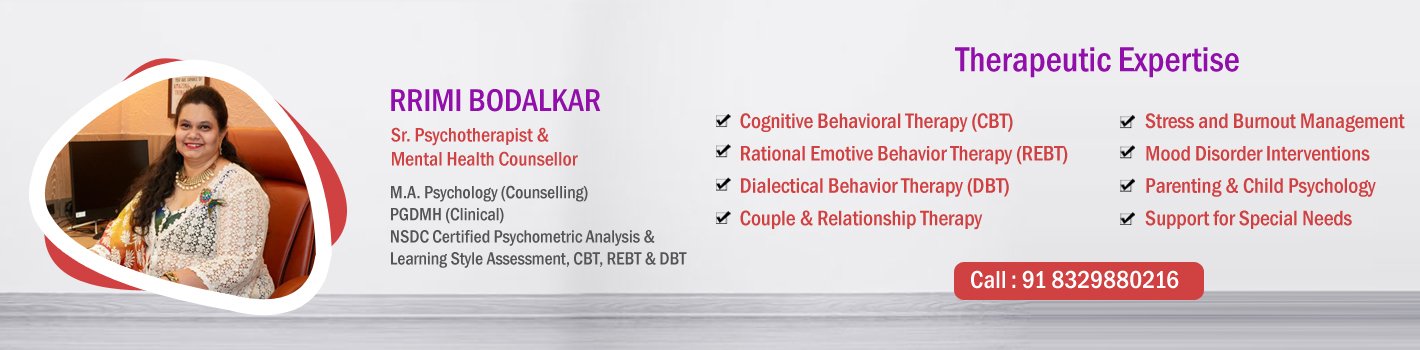
A Trusted Professional in Nagpur: Rrimi Bodalkar
For those in Nagpur, Rrimi Bodalkar, a Sr. Psychotherapist / Mental Health Counsellor, is a highly qualified professional who can provide expert guidance on stress and burnout management. With her M.A. in Psychology (Counselling) and PGDMH (Clinical), she has a strong foundation in a wide range of therapeutic practices. Her specialization in CBT, REBT & DBT (Specialised) makes her particularly adept at helping clients manage the emotional and psychological toll of chronic stress. As an NSDC Certified professional in Psychometric Analysis & Learning Style Assessment, she is well-equipped to help clients understand their unique psychological makeup and find a more fulfilling and less stressful professional path.
Recognizing the Symptoms & Causes
It’s crucial to distinguish between everyday stress and the debilitating state of burnout. The symptoms that indicate a person may be on the path to burnout include:
- Emotional & Mental Exhaustion: A persistent feeling of being drained, tired, and having no energy, which can be an early sign of depression requiring a depression therapist.
- Cynicism & Detachment: A growing sense of disillusionment and a feeling of being disconnected from one’s work, relationships, or personal life.
- Reduced Performance: A significant decline in productivity and a lack of creativity or motivation. This can impact a person’s career counselling path and may lead to workplace stress counselling.
- Physical Complaints: Frequent headaches, stomachaches, fatigue, and changes in sleep patterns or appetite.
- Irritability & Behavioral Changes: Increased irritability, a short temper (anger management counselling), and withdrawal from social activities or hobbies.
The causes of chronic stress and burnout are multifaceted. They often stem from an imbalance between job demands and personal resources, a lack of control, and high expectations. Other contributing factors can include a major life transition, poor communication in relationship counselling, or unresolved issues that may require personal counselling.
The Counselling Procedure: A Path to Recovery
The procedure of treatment for stress and burnout management counselling is a comprehensive process designed to address both the symptoms and the root causes.
- Initial Assessment: The therapist will conduct a thorough assessment to understand the client’s specific stressors, their work-life balance, and their coping mechanisms. This may involve using Psychometric Analysis to gain deeper insights into personality traits that contribute to stress.
- Therapeutic Modalities: The counsellor may use a variety of evidence-based approaches to help the client manage their stress and prevent future burnout. These can include:
- Cognitive Behavioral Therapy (CBT): To help clients identify and challenge negative thinking patterns about their professional and personal lives.
- Rational Emotive Behavior Therapy (REBT): To address the irrational beliefs and demands (“I must be perfect”) that contribute to stress.
- Dialectical Behavior Therapy (DBT): To teach skills in emotional regulation, distress tolerance, and mindfulness.
- Skill Building & Intervention: The counsellor will teach practical, actionable strategies to improve resilience. This includes setting healthy boundaries, improving time management, and developing effective communication skills. For professionals, this can be integrated with executive coaching.
- Creating a Holistic Plan: The final step involves creating a personalized plan for long-term well-being. This may involve exploring new career counselling options, making changes in one’s current role, or focusing on personal growth through personality development counselling.
Frequently Asked Questions (FAQ’s)
Q1: How is stress different from burnout?
A: Stress is a state of mental or emotional strain from demanding circumstances. Burnout is a prolonged, chronic state of emotional, physical, and mental exhaustion caused by long-term, unmanaged stress. It is more severe and requires more focused intervention.
Q2: Can counselling help me if my job is the problem?
A: Yes. A counsellor can help you learn new coping strategies, improve your communication skills to address issues with your employer, and provide guidance on a potential career transition.
Q3: Is it a sign of weakness to seek help for stress?
A: No, it is a sign of self-awareness and strength. Seeking help is a proactive and courageous step toward self-care and professional longevity.
Q4: Can a psychologist help with burnout in a specific field, like sports psychology?
A: Yes. The principles of burnout counselling are universal and can be applied across professions. A sports psychology professional, for example, can use the same therapeutic modalities to help an athlete manage the stress of competition and avoid burnout.
Q5: Will my employer know I am seeking counselling?
A: No. Counselling is confidential. The information you discuss with your psychotherapist is protected by patient-client privilege.