
Psychotherapy for Anxiety, Stress and Emotional Problems in Nagpur
Anxiety, stress, and emotional problems can affect concentration, sleep, relationships, academic performance, professional life, confidence, and overall quality of life. Occasional stress is a normal response to challenging situations, but persistent worry, emotional exhaustion, negative thinking, fear, sadness, irritability, or difficulty managing everyday responsibilities may require professional attention. Psychotherapy and counselling can provide a structured and confidential environment where individuals can understand their concerns, identify contributing factors, develop healthier coping strategies, and work toward improved emotional well-being.
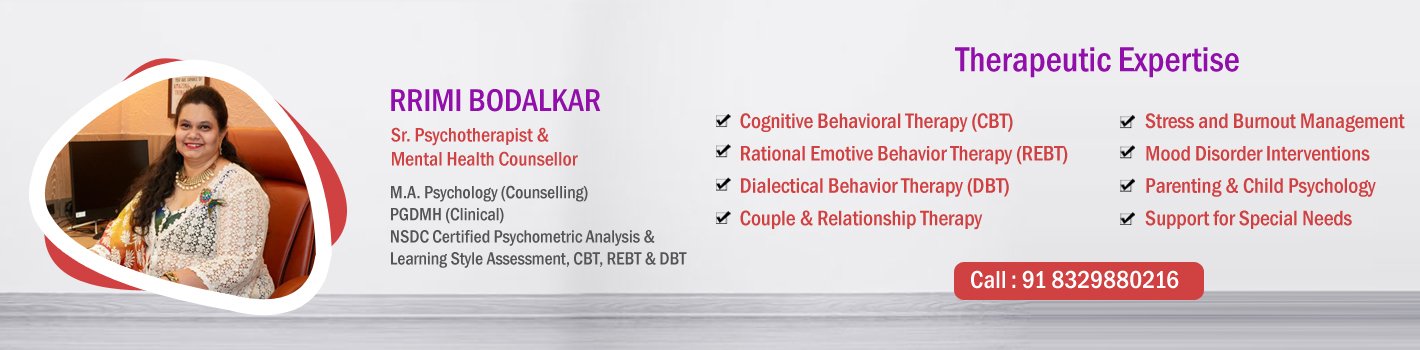
RRIMI BODALKAR, Sr. Psychotherapist / Mental Health Counsellor practicing in Nagpur, provides professional psychological support for concerns involving anxiety, stress, emotional difficulties, relationships, confidence, self-esteem, behavioural concerns, career-related stress, parenting issues, and other mental-health challenges. Her approach can include individualized counselling and evidence-based therapeutic techniques according to the person’s concerns, age, circumstances, and counselling goals.
What Is Psychotherapy?
Psychotherapy is a structured form of professional psychological support that helps individuals understand thoughts, emotions, behaviours, relationships, and patterns that may be contributing to distress. It is not limited to severe mental-health conditions and can also help people dealing with everyday stress, life transitions, academic pressure, workplace difficulties, relationship concerns, low confidence, grief, or persistent negative thinking.
Depending on the individual’s needs, counselling may focus on emotional awareness, problem-solving, behavioural change, coping skills, communication, self-understanding, confidence building, or management of specific psychological symptoms. An Experienced Psychotherapist can help determine an appropriate counselling approach after understanding the person’s concerns and circumstances.
Individuals seeking professional support for emotional concerns can explore Experienced Psychotherapist services and discuss their concerns confidentially.
Anxiety, Stress and Emotional Problems: Understanding the Difference
Anxiety commonly involves excessive or persistent worry, fear, apprehension, or anticipation of negative events. Stress is generally a response to pressure or challenging circumstances. Emotional problems can involve persistent sadness, irritability, emotional exhaustion, difficulty adjusting to change, relationship distress, or problems managing strong emotions.
These concerns can overlap. For example, prolonged workplace pressure may contribute to anxiety and sleep difficulties, while relationship conflict may increase emotional distress and negative thinking. Professional assessment can help identify the pattern instead of assuming that every emotional difficulty has the same cause.
Common Symptoms of Anxiety and Emotional Distress
The symptoms of anxiety and emotional problems can differ from person to person. Some individuals experience mainly emotional symptoms, while others notice physical, behavioural, or social changes.
- Persistent or excessive worrying
- Feeling restless, tense, or constantly alert
- Difficulty concentrating
- Repeated negative thoughts
- Low confidence or self-doubt
- Irritability or frequent anger
- Sleep difficulties or insomnia
- Emotional exhaustion
- Avoidance of situations because of fear or anxiety
- Difficulty making decisions
- Loss of interest in previously enjoyable activities
- Difficulty managing everyday responsibilities
- Relationship or communication difficulties
- Reduced academic or workplace performance
When these symptoms become persistent or begin interfering with daily life, Effective Anxiety Treatment can begin with a detailed psychological assessment and individualized counselling plan.
Common Causes and Contributing Factors
Anxiety and emotional difficulties rarely have one universal cause. Psychological, social, environmental, behavioural, relationship-related, academic, professional, and life-stage factors can all influence emotional well-being.
- Academic pressure and examination stress
- Workplace stress and professional uncertainty
- Relationship or marriage difficulties
- Financial or family-related pressure
- Major life transitions
- Low self-esteem or lack of confidence
- Persistent negative thinking
- Social isolation or communication difficulties
- Grief and loss
- Previous traumatic experiences
- Sleep disruption and emotional exhaustion
- Difficulty adapting to changing circumstances
Because contributing factors can be different for every person, effective counselling should focus on understanding the individual’s circumstances rather than applying the same approach to everyone.
Anxiety Counselling
Anxiety counselling can help individuals understand the relationship between thoughts, emotions, physical responses, and behaviours. Counselling may focus on recognizing unhelpful thought patterns, understanding triggers, developing coping strategies, improving emotional regulation, and gradually addressing avoidance patterns when appropriate.
People searching for Anxiety Counselling can discuss symptoms such as excessive worry, fear, public-speaking anxiety, social discomfort, examination anxiety, workplace stress, or persistent apprehension during a professional consultation.
Stress Management and Coping Strategies
Stress becomes more difficult to manage when pressure continues without adequate recovery, emotional support, or effective coping strategies. Stress Reduction Coping Strategies may include identifying stress triggers, improving problem-solving skills, establishing healthier routines, learning relaxation approaches, setting realistic boundaries, improving communication, and recognizing situations that require professional support.
For individuals experiencing persistent stress or emotional overload, Best Counselling for Stress and Anxiety can provide a structured setting for understanding the underlying difficulties and developing personalized coping skills.
Depression and Persistent Low Mood
Depression may involve persistent sadness, reduced interest, hopelessness, low motivation, difficulty concentrating, changes in sleep, emotional withdrawal, or difficulty maintaining normal daily activities. Not every period of sadness represents depression, but persistent or worsening symptoms deserve appropriate assessment.
A Depression Counsellor can help explore emotional symptoms, thought patterns, life circumstances, behavioural changes, and factors affecting day-to-day functioning. Psychotherapeutic approaches may be used according to the individual’s needs and clinical assessment.
Individuals looking for Depression Therapy can benefit from a structured evaluation rather than attempting to identify the cause independently.
Anger Management and Emotional Regulation
Anger is a normal human emotion, but repeated intense anger, difficulty controlling reactions, aggressive communication, or prolonged resentment can affect relationships and professional life. Anger may sometimes be connected with stress, frustration, unmet expectations, communication difficulties, emotional overload, or other underlying concerns.
Anger Management Psychologist support can focus on recognizing triggers, identifying early warning signs, improving emotional regulation, strengthening communication, and developing healthier responses to difficult situations.
Relationship, Marriage and Couple Counselling
Relationship difficulties can contribute significantly to emotional stress. Communication breakdown, repeated arguments, trust concerns, unresolved conflicts, differences in expectations, or difficulty expressing emotions may affect both partners.
Relationship & Marriage Counselling can provide a structured environment where partners can discuss concerns, understand communication patterns, identify recurring conflicts, and work toward healthier interaction. A Couple Counsellor can also help couples understand individual and shared concerns.
Confidence, Self-Esteem and Negative Thinking
Low confidence can influence decision-making, communication, relationships, academic performance, and professional development. Some individuals repeatedly compare themselves with others, fear criticism, avoid opportunities, or interpret mistakes as evidence of personal failure.
Self-Esteem Counselling and confidence-focused counselling can help individuals understand unhelpful self-beliefs, recognize personal strengths, develop realistic self-evaluation, and build healthier responses to setbacks. Support from a Confidence Building Counsellor may be considered when low confidence repeatedly affects everyday functioning.
Cognitive Behavioral Therapy, REBT and DBT-Based Approaches
Psychotherapy can use different therapeutic approaches depending on the individual’s needs. Cognitive Behavioral Therapy (CBT) commonly focuses on the relationship between thoughts, emotions, and behaviours. Rational Emotive Behavior Therapy (REBT) examines unhelpful beliefs and rigid thinking patterns. Dialectical Behavior Therapy (DBT) may emphasize emotional regulation, distress tolerance, mindfulness, and interpersonal effectiveness when clinically appropriate.
The specific therapeutic approach should be selected after understanding the person’s concerns, goals, psychological needs, and circumstances rather than assuming that one method is suitable for everyone.
How Psychotherapy for Anxiety and Stress Is Conducted
A professional psychotherapy process generally begins with understanding the person’s concerns and establishing appropriate counselling goals. The process may vary depending on the nature and severity of the problem.
- Initial consultation: Understanding the primary concern, duration, frequency, triggers, and impact on daily life.
- Psychological assessment: Exploring emotional, behavioural, social, academic, professional, and relationship factors when relevant.
- Goal setting: Identifying realistic and meaningful counselling objectives.
- Identification of patterns: Understanding recurring thoughts, emotional responses, behaviours, and triggers.
- Therapeutic intervention: Applying an appropriate counselling or psychotherapy approach.
- Skill development: Building coping, communication, emotional regulation, and problem-solving skills.
- Progress review: Reviewing changes and adjusting the counselling plan according to individual needs.
- Follow-up: Continuing professional support when required to consolidate progress and manage recurring concerns.
Insomnia, Sleep Problems and Emotional Health
Sleep and emotional well-being are closely connected. Persistent worry, stress, emotional distress, and racing thoughts can make it difficult to fall asleep or maintain regular sleep. Conversely, inadequate sleep can make concentration, emotional regulation, and stress management more difficult.
Individuals experiencing persistent sleep-related difficulties can explore Insomnia Treatment Counseling to understand behavioural, emotional, and lifestyle factors that may be contributing to sleep problems.
Trauma, PTSD, Grief and Life Transitions
Major life events can produce emotional responses that continue long after the event itself. Trauma, bereavement, relationship breakdown, relocation, professional changes, or other significant transitions can affect emotional stability and everyday functioning.
Trauma and PTSD Therapy can provide structured psychological support for individuals experiencing trauma-related distress. Similarly, Grief and Loss Counselling can help individuals process significant loss in a supportive therapeutic environment.
Life Transitions and Adjustment Counselling may also be useful when a person is struggling to adapt to major changes involving education, career, relationships, family circumstances, relocation, or other important life events.
Career Stress, Academic Pressure and Student Counselling
Students may experience stress because of examinations, competitive entrance tests, parental expectations, uncertainty about career choices, academic performance, peer comparison, or fear of failure. Young adults may also experience pressure when selecting a profession, changing career direction, or adjusting to workplace expectations.
A Professional Career Counsellor can help students understand interests, abilities, preferences, educational pathways, and career-related concerns. Best Career Guidance for Students should involve informed exploration rather than selecting a career solely because of marks, social pressure, or trends.
Students making important educational decisions can also consider Career Counselling after 10th and 12th to understand available academic and professional pathways.
Child Psychology and Parenting Support
Children may communicate emotional difficulties through behaviour rather than directly describing what they feel. Changes in school performance, withdrawal, irritability, sleep, social interaction, fears, or repeated behavioural difficulties may indicate that a child needs additional support.
A Child Psychologist can assess age-appropriate emotional, behavioural, developmental, and social concerns. Parenting Support & Coaching can also help parents understand communication, boundaries, behavioural patterns, and supportive parenting strategies.
Assessment Services for Children, Adolescents and Adults
Psychological assessment can provide structured information about specific cognitive, behavioural, emotional, developmental, or learning concerns. Depending on the referral question, assessment may include Cognitive/Intellectual Assessment, Personality Assessment, Neuropsychological Testing, ADHD Testing, Autism Spectrum Disorder Evaluation, or Learning Disability Assessment.
- Cognitive and intellectual assessment for understanding cognitive abilities and areas of strength or difficulty.
- Personality assessment when clinically relevant to understanding behavioural and emotional patterns.
- Neuropsychological testing for selected cognitive and functional concerns.
- ADHD assessment when attention, impulsivity, or executive-function concerns require structured evaluation.
- Autism Spectrum Disorder evaluation when developmental and social-communication concerns require assessment.
- Learning Disability Assessment when persistent academic difficulties require detailed evaluation.
Testing should be selected according to the specific question being investigated and interpreted within the individual’s developmental, educational, psychological, and social context.
Behavioral Therapy and Habit Counselling
Some behaviours become repetitive patterns that are difficult to change even when the individual understands that they are causing problems. Behavioral Therapy can focus on identifying triggers, consequences, reinforcement patterns, and practical strategies for developing healthier behaviours.
Individuals seeking support for recurring behavioural concerns can explore Behavioral Therapy or Habit Counselling according to their individual concerns.
Public Speaking, Social Anxiety and Confidence
Fear of public speaking, social evaluation, presentations, interviews, or meeting unfamiliar people can interfere with education and professional opportunities. Some individuals avoid situations because they fear embarrassment or negative judgment.
Public Speaking Anxiety Treatment Counselling can focus on understanding fear responses, identifying unhelpful predictions, developing communication confidence, and gradually improving comfort with performance situations.
When Should You Consult a Psychotherapist?
Professional counselling may be appropriate when emotional or behavioural concerns become persistent, recurrent, distressing, difficult to control, or disruptive to everyday life. Early support can also be useful when an individual recognizes that existing coping strategies are no longer sufficient.
- Persistent anxiety or excessive worrying
- Ongoing stress or emotional exhaustion
- Repeated anger or difficulty controlling emotional reactions
- Persistent low mood or loss of interest
- Relationship or marriage difficulties
- Academic or workplace stress
- Low confidence or self-esteem
- Sleep difficulties associated with emotional distress
- Grief, trauma, or major life changes
- Behavioural or parenting concerns
- Difficulty adjusting to educational or professional changes
- Persistent fears or phobias
Why Confidential Counselling Matters
People may hesitate to discuss anxiety, relationships, family concerns, career uncertainty, emotional distress, or personal difficulties because of fear of judgment. A professional counselling environment is designed to encourage open communication and structured exploration of sensitive concerns.
A Trusted Mental Health Counsellor can provide a supportive setting in which individuals can discuss concerns, understand emotional patterns, and work toward practical counselling goals.
Choosing a Qualified Psychologist or Psychotherapist
When searching for a Qualified Psychologist, psychotherapist, or mental-health counsellor in Nagpur, individuals can consider professional qualifications, relevant experience, the type of concerns addressed, confidentiality practices, assessment methods, therapeutic approach, and willingness to coordinate with other professionals when necessary.
Individuals can review information about a Qualified Psychologist and consider whether the professional’s area of practice matches their particular concern.
Frequently Asked Questions About Psychotherapy
1. What problems can psychotherapy help with?
Psychotherapy can provide support for concerns such as anxiety, stress, depression, relationship difficulties, low confidence, emotional regulation, grief, trauma-related distress, behavioural problems, academic pressure, workplace stress, and life transitions. The appropriate approach depends on the individual’s circumstances and assessment.
2. Is psychotherapy only for people with severe mental-health conditions?
No. Professional counselling can also help individuals dealing with persistent stress, relationship problems, academic pressure, career uncertainty, low confidence, adjustment difficulties, or other concerns affecting everyday well-being.
3. How does anxiety counselling work?
Anxiety counselling generally begins by understanding the person’s symptoms, triggers, thought patterns, behaviours, and circumstances. The counselling process may then focus on coping strategies, emotional regulation, cognitive patterns, behavioural responses, and individualized therapeutic goals.
4. Can counselling help with workplace stress and burnout?
Yes. Workplace Stress & Burnout Counseling can help individuals understand sources of professional stress, emotional exhaustion, boundaries, coping patterns, work-related thoughts, and practical strategies for managing ongoing pressure.
5. Can psychotherapy help students with academic stress?
Yes. Academic Stress Counselling can address examination pressure, fear of failure, concentration difficulties, performance anxiety, parental expectations, time-management concerns, and emotional difficulties associated with academic demands.
6. Can psychotherapy help with relationship problems?
Relationship counselling can help individuals or couples understand communication patterns, recurring conflicts, emotional needs, expectations, and relationship concerns. Appropriate counselling depends on the circumstances of the individuals involved.
7. What is the role of CBT in psychotherapy?
Cognitive Behavioral Therapy (CBT) focuses on the relationship between thoughts, emotions, and behaviours. It can help individuals identify unhelpful patterns and develop more constructive ways of responding to situations.
8. Can children receive psychological counselling?
Yes. Children can receive age-appropriate psychological assessment and counselling for behavioural, emotional, developmental, social, academic, or family-related concerns. Parent involvement may also be an important part of the process.
9. Can counselling improve confidence and self-esteem?
Counselling can help individuals explore negative self-beliefs, fear of judgment, comparison patterns, communication difficulties, and behavioural avoidance. Confidence Building Counselling may then focus on developing healthier self-perception and practical coping skills.
10. When should someone seek professional help for anxiety or stress?
Professional support may be appropriate when anxiety or stress is persistent, worsening, difficult to manage, affecting sleep, interfering with relationships, reducing academic or workplace functioning, or causing significant distress.
Psychotherapy and Emotional Wellness
Psychotherapy for Anxiety, Stress and Emotional Problems in Nagpur can provide individuals with a structured opportunity to understand their emotions, thoughts, behaviours, relationships, and life circumstances. Whether the concern involves anxiety, stress, depression, anger, low confidence, relationship difficulties, academic pressure, career uncertainty, grief, trauma, behavioural concerns, or major life transitions, professional psychological support can help identify appropriate goals and coping strategies.
Individuals seeking support from an Experienced Psychotherapist, Trusted Mental Health Counsellor, Qualified Psychologist, Child Psychologist, Career Counsellor, Relationship Counsellor, or Mental Health Professional can consider a confidential assessment based on their individual needs. The focus should remain on understanding the person’s concerns and developing an appropriate, personalized counselling pathway.
For professional psychological support in Nagpur, individuals can explore RRIMI BODALKAR and relevant counselling services according to their specific emotional, behavioural, relationship, academic, or career-related concerns.
Disclaimer: The information provided in this article is for educational purposes only and should not be substituted for professional medical advice, diagnosis, or treatment. Always seek the advice of your physician regarding any medical condition.