
Guiding Young Minds: The Role of a Child Psychologist 🧠
A child psychologist is a specialized psychologist who focuses on the mental, emotional, and behavioral therapy needs of children and adolescents. Unlike general psychotherapy, this field requires unique skills to communicate with children and understand their world. A child psychologist works closely with parents, families, and schools, offering parenting support and comprehensive evaluations to address a wide range of issues. From managing challenging behaviors to providing support for special needs children, they are an essential resource for families seeking to foster healthy development.
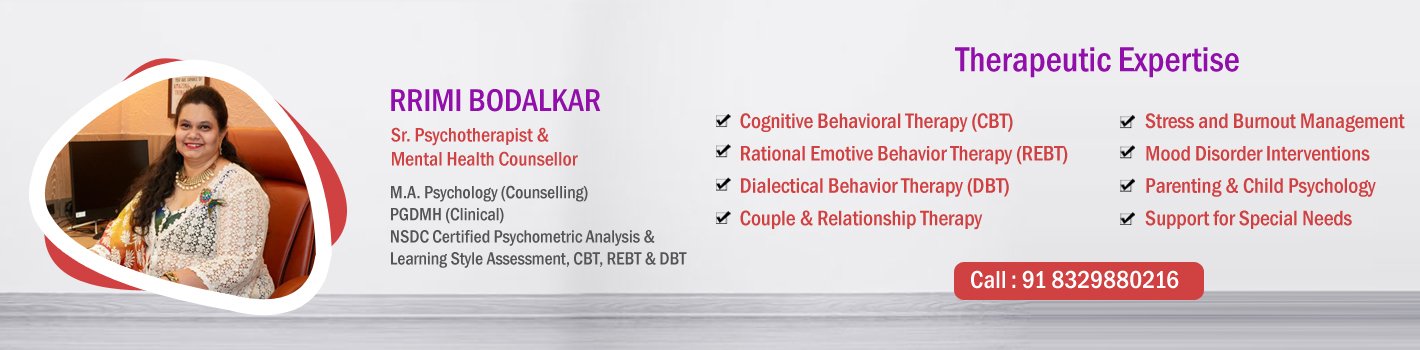
A Trusted Professional in Nagpur: Rrimi Bodalkar
For those in Nagpur seeking a highly qualified professional, RRIMI BODALKAR, Sr. Psychotherapist / Mental Health Counsellor, is a well-regarded choice. With an M.A. in Psychology (Counselling) and a PGDMH (Clinical), she holds specialized certifications in CBT, REBT & DBT. Her expertise, which also includes Neuropsychological testing, IQ testing, and Personality assessment, makes her a comprehensive resource for a wide range of issues, from child psychologist services for ADHD testing and autism spectrum evaluation to executive coaching and career counselling. Her holistic approach addresses both the cognitive and emotional aspects of a person’s life.
Understanding the Symptoms and Causes
The symptoms that might lead a family to a child psychologist vary by age and issue. In younger children, this could be frequent tantrums, difficulties with social skills training, bed-wetting, or separation anxiety. For older children and adolescents, symptoms may include poor academic performance, school stress, defiance, isolation, or signs of depression. Common causes for these behaviors can be developmental delays, family conflict, bullying, or underlying conditions. A child psychologist is also trained to identify and address more complex issues such as trauma, ADHD, and autism spectrum evaluation. These conditions can be complex, and a thorough assessment is key to a proper diagnosis.
The Treatment Procedure: A Family-Centered Approach
The procedure of treatment for a child psychologist is highly collaborative and involves the entire family.
- Initial Assessment: The process begins with a comprehensive evaluation. This may include interviews with the child and parents, school observations, and specialized tests. A psychologist may use tools like IQ testing, Neuropsychological testing, and Personality assessment to gain a full picture of the child’s cognitive and emotional functioning.
- Parenting Support and Guidance: Since a child’s environment is critical to their development, a major component of therapy is coaching the parents. A child psychologist provides parenting support, teaching effective communication strategies, behavior management techniques, and helping parents navigate life transitions like divorce or a move.
- Play and Talk Therapy: For younger children, therapy often involves play, which serves as a natural medium for expression. For older children and teens, talk therapy, including adapted forms of Cognitive Behavioral Therapy (CBT), Rational Emotive Behavior Therapy (REBT), and Dialectical Behavior Therapy (DBT), is used to help them manage negative thinking, build confidence, and regulate their emotions.
- Collaboration with School and Other Professionals: A child psychologist often acts as a liaison between the family and the school. They can help create a support plan for a child with academic stress or provide strategies for support for special needs children.