Improving Relationships through Mental Health Counselling
Improving Relationships through Mental Health Counselling : Healthy relationships are one of the strongest foundations of a happy and fulfilling life. Whether it is a relationship between spouses, partners, parents and children, siblings, friends, or colleagues, emotional understanding and effective communication play a crucial role in maintaining trust and harmony. However, modern lifestyles, work-related stress, unresolved emotional issues, anxiety, depression, and poor communication often create misunderstandings that gradually weaken relationships. Mental Health Counselling provides individuals and couples with a safe, confidential, and supportive environment where they can understand emotional challenges, improve communication, rebuild trust, and strengthen meaningful relationships.
Many people assume relationship problems only arise because of incompatibility. In reality, emotional stress, unresolved trauma, low self-esteem, anxiety disorders, depression, anger issues, and ineffective communication are often the underlying causes of relationship conflicts. Seeking guidance from a Trusted Mental Health Counsellor or an Experienced Psychotherapist can help individuals and couples identify these root causes and develop healthier ways to manage emotions and relationships.
Why Mental Health Directly Affects Relationships
Mental health and relationships are deeply interconnected. When an individual experiences chronic stress, anxiety, depression, anger, or emotional burnout, these struggles often influence the way they communicate, express affection, respond to disagreements, and handle everyday situations. Emotional distress may cause withdrawal, irritability, overthinking, lack of trust, or difficulty expressing feelings, creating distance between loved ones.
For example, a person experiencing anxiety may constantly worry about their relationship, seek excessive reassurance, or avoid difficult conversations. Someone living with depression may become emotionally withdrawn, lose interest in spending time with loved ones, or struggle to communicate openly. Likewise, unmanaged anger or workplace stress can lead to frequent conflicts, misunderstandings, and emotional disconnection. Mental health counselling addresses these emotional barriers and helps individuals rebuild healthier relationship patterns.
Common Relationship Challenges Addressed Through Counselling
Mental health counselling supports individuals, couples, and families facing a wide variety of relationship concerns. Rather than assigning blame, counselling focuses on understanding emotional needs, improving communication, and developing practical solutions.
Common relationship issues treated through counselling include:
- Poor communication between partners
- Frequent misunderstandings and arguments
- Trust issues and emotional insecurity
- Marital conflicts and adjustment difficulties
- Anger management challenges
- Jealousy and possessiveness
- Family relationship conflicts
- Parent-child communication problems
- Relationship stress due to anxiety or depression
- Work-life imbalance affecting family relationships
- Difficulty expressing emotions
- Emotional distance between partners
Individuals experiencing these concerns often benefit from Relationship & Marriage Counselling, Relationship Counselling in Nagpur, or support from a Best Relationship Counsellor in Nagpur.
Signs That Mental Health Counselling May Help Your Relationship
Many relationship problems develop gradually, making them difficult to recognize until they significantly affect emotional well-being. Seeking counselling early often prevents minor issues from becoming long-term conflicts.
Some common signs include:
- Frequent arguments over small matters.
- Feeling emotionally disconnected from your partner.
- Difficulty trusting one another.
- Poor communication or constant misunderstandings.
- Persistent stress affecting family life.
- Feeling unheard or emotionally neglected.
- Increased irritability or anger.
- Anxiety about the future of the relationship.
- Avoiding meaningful conversations.
- Reduced emotional or physical intimacy.
Addressing these signs through professional counselling allows individuals and couples to understand each other’s perspectives and rebuild healthier emotional connections before the relationship deteriorates further.
How Mental Health Counselling Strengthens Relationships
One of the greatest benefits of counselling is that it helps people understand themselves before expecting others to understand them. Emotional awareness improves communication, reduces defensive reactions, and encourages empathy. Counselling provides practical techniques that enable individuals to respond thoughtfully rather than react impulsively.
Mental health counselling helps relationships by:
- Improving communication skills so individuals express their thoughts and feelings more clearly.
- Enhancing emotional intelligence, allowing people to recognize and regulate their emotions.
- Reducing misunderstandings through active listening and respectful communication.
- Strengthening empathy by helping individuals understand each other’s emotional experiences.
- Building trust through openness, consistency, and emotional honesty.
- Developing healthier conflict-resolution skills instead of blame or criticism.
- Encouraging mutual respect even during disagreements.
- Supporting emotional healing after stressful life events or relationship difficulties.
These improvements often extend beyond romantic relationships and positively influence family life, friendships, workplace interactions, and social relationships.
The Role of Anxiety, Stress, and Depression in Relationship Problems
Mental health conditions frequently contribute to relationship difficulties without either partner realizing their influence. Chronic stress may reduce patience and increase irritability. Anxiety may lead to excessive worrying, reassurance-seeking, or fear of abandonment. Depression often reduces emotional availability, motivation, and interest in social interaction.
Professional counselling helps individuals recognize these emotional patterns while providing effective strategies for managing them. Individuals experiencing persistent anxiety may benefit from Effective Anxiety Treatment, Best Anxiety Disorders Treatment, or Anxiety Counselling Nagpur, while those experiencing prolonged sadness and emotional exhaustion may benefit from Depression Counsellor in Nagpur or Depression Therapy in Nagpur.
Managing Anger for Healthier Relationships
Uncontrolled anger is one of the leading causes of damaged relationships. Frequent anger outbursts, harsh communication, criticism, or emotional withdrawal can gradually reduce trust and emotional safety within relationships.
Mental health counselling helps individuals understand the emotional triggers behind anger, develop healthier coping mechanisms, improve emotional regulation, and communicate frustration in constructive ways. Professional support from an Anger Management Psychologist can significantly improve emotional control and relationship satisfaction.
Building Self-Esteem to Improve Relationships
Healthy relationships begin with a healthy relationship with oneself. Individuals struggling with low self-esteem often experience self-doubt, insecurity, fear of rejection, or difficulty setting healthy boundaries. These emotional challenges can affect communication, trust, and overall relationship satisfaction.
Mental health counselling helps individuals develop self-confidence, emotional resilience, and self-worth. Services such as Self-Esteem Counselling Nagpur and Confidence Building Counsellor Nagpur help individuals create healthier personal and interpersonal relationships.
About RRIMI BODALKAR
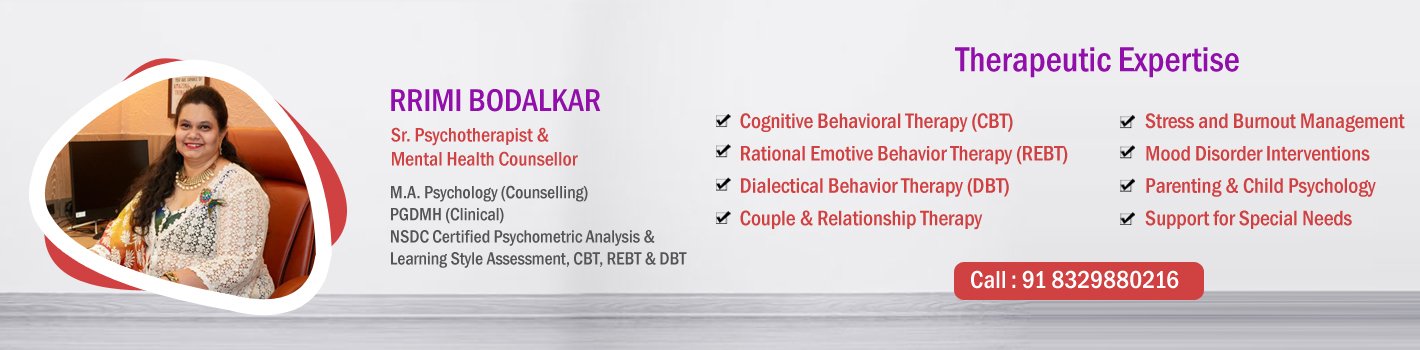
RRIMI BODALKAR, Sr. Psychotherapist / Mental Health Counsellor, M.A. Psychology (Counselling), PGDMH (Clinical), NSDC Certified Psychometric Analysis & Learning Style Assessment, and CBT, REBT & DBT (Specialised), practicing in Nagpur, offers compassionate, evidence-based counselling for individuals, couples, adolescents, and families. Her expertise includes Relationship & Marriage Counselling, anxiety management, depression therapy, anger management, behavioral therapy, parenting support, career counselling, self-esteem counselling, and emotional wellness. Through personalized therapeutic approaches, she helps clients build stronger relationships, improve communication, manage emotional challenges, and achieve lasting mental well-being.
Procedure of Mental Health Counselling for Improving Relationships
Healthy relationships require trust, understanding, emotional security, and effective communication. However, unresolved emotional issues, chronic stress, anxiety, depression, anger, low self-esteem, and poor communication can gradually create misunderstandings and emotional distance. Mental Health Counselling provides a structured, confidential, and evidence-based approach to help individuals, couples, and families improve emotional connections and build healthier relationships. Whether someone is seeking Relationship & Marriage Counselling, Best Relationship Counsellor in Nagpur, or guidance from a Trusted Mental Health Counsellor, the counselling process is tailored to address their unique emotional and relationship needs.
The counselling process generally includes:
- Initial Relationship and Psychological Assessment
- Understanding Emotional and Behavioral Patterns
- Identifying Relationship Challenges and Root Causes
- Developing Personalized Counselling Goals
- Evidence-Based Therapeutic Interventions
- Communication and Conflict Resolution Training
- Long-Term Relationship Maintenance Strategies
Step 1 – Comprehensive Relationship Assessment
The counselling journey begins with understanding the emotional and psychological background of the individual or couple. During the first few sessions, the psychotherapist gathers detailed information about relationship history, communication patterns, family dynamics, emotional concerns, lifestyle, work-related stress, personal goals, and previous experiences that may be influencing the relationship.
When appropriate, professional assessments may include:
- Personality Assessment
- Psychometric Analysis
- Learning Style Assessment
- Cognitive/Intellectual Assessment
- Behavioral Evaluation
- Emotional Well-being Assessment
These evaluations help the therapist understand emotional strengths, personality traits, communication styles, and behavioral patterns that influence relationship dynamics.
Step 2 – Identifying the Root Causes of Relationship Problems
Many relationship conflicts are symptoms of deeper emotional issues rather than the actual problem. Counselling focuses on identifying these underlying factors so that long-term healing becomes possible.
Common root causes include:
- Unresolved childhood experiences.
- Chronic stress and workplace burnout.
- Anxiety disorders.
- Depression and emotional withdrawal.
- Poor communication habits.
- Low self-esteem.
- Anger management difficulties.
- Trust issues.
- Unrealistic expectations.
- Past trauma or emotional hurt.
By understanding these underlying emotional factors, counselling shifts the focus from blaming each other to solving the actual problem together.
Evidence-Based Therapies Used in Relationship Counselling
Professional psychotherapists use scientifically supported therapeutic approaches based on the individual’s emotional needs and relationship concerns.
- Cognitive Behavioral Therapy (CBT): Helps identify unhealthy thought patterns that contribute to misunderstandings, anxiety, jealousy, and relationship conflicts.
- Rational Emotive Behavior Therapy (REBT): Assists individuals in replacing unrealistic expectations and irrational beliefs with balanced thinking.
- Dialectical Behavior Therapy (DBT): Improves emotional regulation, mindfulness, distress tolerance, and healthy interpersonal communication.
- Behavioral Therapy: Encourages positive behavioral changes by replacing harmful interaction patterns with constructive habits.
- Couple & Relationship Therapy: Focuses on rebuilding trust, improving communication, conflict resolution, and strengthening emotional intimacy.
These therapies are highly effective for individuals seeking guidance from an Experienced Psychotherapist or a Qualified Psychologist.
Improving Communication Through Counselling
Communication is the foundation of every healthy relationship. Counselling teaches individuals how to express emotions honestly while respecting the feelings of others.
Communication skills developed during counselling include:
- Active listening.
- Expressing emotions respectfully.
- Avoiding blame and criticism.
- Using healthy conflict-resolution strategies.
- Managing disagreements calmly.
- Developing empathy.
- Building mutual understanding.
- Strengthening emotional intimacy.
These practical skills help couples and families resolve disagreements more effectively while strengthening emotional trust.
Managing Anxiety and Stress for Better Relationships
Stress and anxiety often reduce patience, increase irritability, and make healthy communication difficult. Therapy helps individuals manage these emotions before they begin damaging important relationships.
Treatment may include:
- Stress reduction coping strategies.
- Relaxation exercises.
- Mindfulness training.
- Healthy emotional regulation.
- Time management techniques.
- Work-life balance counselling.
- Confidence-building exercises.
- Emotional resilience development.
Individuals experiencing ongoing anxiety may benefit from Effective Anxiety Treatment, Best Anxiety Disorders Treatment, Anxiety Counselling Nagpur, and Best Counselling for Stress and Anxiety.
Managing Depression to Strengthen Relationships
Depression often causes emotional withdrawal, reduced communication, loss of interest in social interaction, irritability, and low motivation. These symptoms can create misunderstandings within families and between partners.
Counselling helps by:
- Improving emotional awareness.
- Reducing negative thinking.
- Encouraging healthy daily routines.
- Strengthening self-esteem.
- Restoring emotional connection.
- Improving communication with loved ones.
- Building resilience.
- Preventing relapse.
Individuals seeking professional support may benefit from Depression Counsellor in Nagpur or Depression Therapy in Nagpur.
Managing Anger and Emotional Reactions
Uncontrolled anger can damage trust and emotional safety within relationships. Mental health counselling teaches individuals how to recognize emotional triggers before reacting impulsively.
Therapy focuses on:
- Understanding anger triggers.
- Improving emotional self-control.
- Developing healthier coping mechanisms.
- Practicing respectful communication.
- Replacing aggressive reactions with constructive responses.
Professional guidance from an Anger Management Psychologist and Behavioral Therapy in Nagpur can significantly improve relationship satisfaction and emotional stability.
Building Self-Confidence for Healthy Relationships
Healthy relationships begin with emotional confidence and self-respect. Individuals struggling with low confidence often find it difficult to express needs, establish healthy boundaries, or trust others.
Counselling helps individuals:
- Improve self-esteem.
- Develop emotional independence.
- Strengthen decision-making abilities.
- Enhance communication confidence.
- Reduce fear of rejection.
- Build healthier interpersonal relationships.
Individuals may benefit from Self-Esteem Counselling Nagpur and Confidence Building Counsellor Nagpur for long-term emotional growth.
Lifestyle Habits That Support Healthy Relationships
Mental health counselling also encourages healthy daily habits that strengthen emotional well-being and relationships.
- Practice active listening every day.
- Express appreciation regularly.
- Maintain healthy work-life balance.
- Spend quality time with loved ones.
- Practice mindfulness and relaxation techniques.
- Respect personal boundaries.
- Manage stress proactively.
- Resolve disagreements respectfully.
- Prioritize emotional honesty.
- Continue practising techniques learned during therapy.
Frequently Asked Questions (FAQs)
Q1. Can relationship counselling help even if only one partner attends?
Yes. Individual counselling can improve emotional awareness, communication skills, confidence, and coping strategies, which often have a positive impact on the relationship.
Q2. What problems can relationship counselling address?
Relationship counselling helps with communication difficulties, trust issues, marital conflicts, emotional distance, stress, anxiety, anger management, parenting challenges, and family relationship concerns.
Q3. Which therapies are commonly used?
Evidence-based approaches such as CBT, REBT, DBT, Behavioral Therapy, and Couple & Relationship Therapy are commonly used to improve emotional well-being and relationship health.
Q4. Can counselling improve communication?
Yes. Counselling teaches active listening, emotional expression, conflict resolution, empathy, and healthy communication techniques that strengthen relationships.
Q5. How many counselling sessions are usually needed?
The number of sessions depends on the nature of the concerns, relationship goals, and individual progress. Some individuals notice improvement within a few sessions, while complex issues may require longer-term counselling.
Q6. Can counselling help with anxiety and depression affecting relationships?
Absolutely. Professional counselling addresses the emotional symptoms of anxiety and depression while helping individuals improve communication, emotional regulation, and relationship satisfaction.
About RRIMI BODALKAR
RRIMI BODALKAR, Sr. Psychotherapist / Mental Health Counsellor, M.A. Psychology (Counselling), PGDMH (Clinical), NSDC Certified Psychometric Analysis & Learning Style Assessment, and CBT, REBT & DBT (Specialised), practicing in Nagpur, specializes in helping individuals, couples, and families overcome emotional and relationship challenges through evidence-based psychotherapy. She provides professional support for Relationship & Marriage Counselling, anxiety counselling, depression therapy, anger management, behavioral therapy, parenting guidance, self-esteem counselling, and emotional wellness. Her compassionate, personalized approach empowers clients to strengthen communication, rebuild trust, improve emotional resilience, and develop healthier, more fulfilling relationships.
Conclusion
Strong relationships are built on emotional understanding, mutual respect, trust, and healthy communication. Mental health counselling helps individuals identify the emotional barriers that affect their relationships while providing practical tools to manage stress, anxiety, depression, anger, and communication difficulties. Through evidence-based therapies such as CBT, REBT, DBT, and Behavioral Therapy, individuals and couples can develop healthier emotional habits, resolve conflicts more effectively, and build lasting, meaningful relationships. Seeking timely support from an experienced psychotherapist is a positive step toward stronger relationships, emotional well-being, and a happier future.