
How Psychotherapy Can Improve Your Mental Health and Quality of Life
How Psychotherapy Can Improve Your Mental Health and Quality of Life : Psychotherapy is a structured and supportive approach that can help people understand their thoughts, emotions, behaviours, and relationship patterns. It can be useful when stress, anxiety, depression, low confidence, anger, relationship difficulties, trauma, sleep problems, or major life changes begin to affect everyday life. With appropriate guidance, therapy can help individuals develop healthier coping strategies and improve emotional well-being.
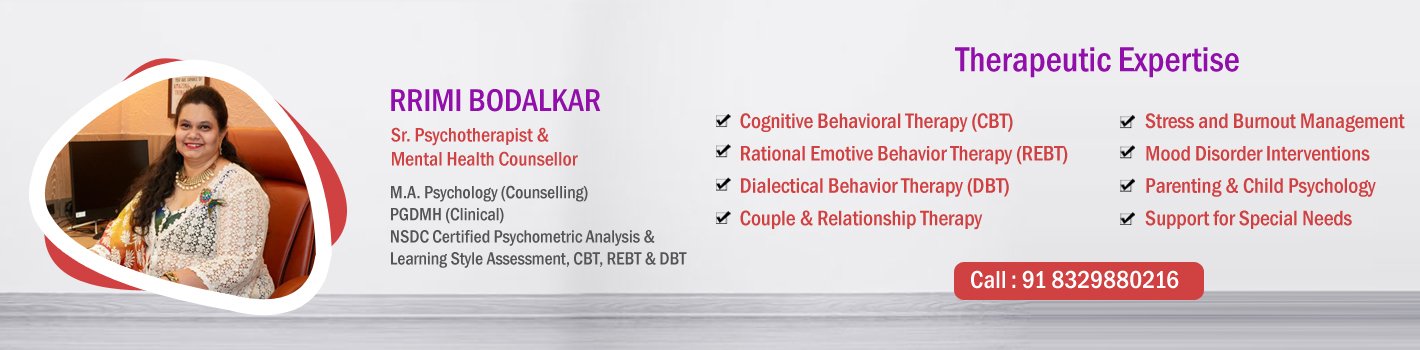
RRIMI BODALKAR is a Sr. Psychotherapist / Mental Health Counsellor practicing in Nagpur, with M.A. Psychology (Counselling), PGDMH (Clinical) and NSDC Certified Psychometric Analysis & Learning Style Assessment. She has specialised training in CBT, REBT and DBT and provides a structured, individual-focused approach for emotional, behavioural, relationship, academic, and personal concerns.
How Psychotherapy Supports Better Mental Health
Psychotherapy provides a confidential environment where individuals can discuss their concerns without unnecessary judgment. Instead of simply addressing a particular symptom, therapy can explore the thoughts, emotions, behaviours, and circumstances contributing to the difficulty. This makes counselling useful for both specific mental health concerns and general personal development.
Depending on the individual’s needs, CBT, REBT, DBT, behavioural therapy, supportive counselling, relationship therapy, or other evidence-informed approaches may be considered. The objective is to develop practical skills that can be applied beyond the counselling session.
Common Concerns That Psychotherapy Can Address
People seek psychotherapy for a wide range of emotional and behavioural concerns. Professional counselling may support individuals dealing with:
- Anxiety, excessive worrying and emotional tension
- Depression, persistent sadness and loss of motivation
- Anger management and emotional regulation
- Low confidence and self-esteem difficulties
- Relationship and marriage-related concerns
- Stress, burnout and workplace pressure
- Insomnia and sleep-related difficulties
- Fears, phobias and avoidance behaviours
- Trauma and PTSD-related concerns
- Grief, loss and major life transitions
For individuals experiencing persistent worry or emotional distress, Effective Anxiety Treatment and Anxiety Counselling in Nagpur can provide structured support based on the individual’s concerns.
Psychotherapy for Anxiety and Depression
Anxiety and depression can affect concentration, sleep, relationships, productivity, and overall quality of life. Psychotherapy can help individuals identify unhelpful thinking patterns, understand emotional triggers, and develop healthier responses. Depending on the concern, therapy may incorporate cognitive restructuring, behavioural techniques, emotional regulation, and practical coping strategies.
Individuals looking for specialised support can explore Best Anxiety Disorders Treatment, Best Depression Treatment, Depression Therapy in Nagpur, or Depression Counsellor in Nagpur.
Role of CBT, REBT and DBT in Psychotherapy
Cognitive Behavioral Therapy (CBT) focuses on the relationship between thoughts, emotions, and behaviours. It can help individuals recognise unhelpful thinking patterns and develop more balanced responses.
Rational Emotive Behavior Therapy (REBT) helps individuals examine rigid or unrealistic beliefs that may contribute to emotional distress and replace them with more constructive perspectives.
Dialectical Behavior Therapy (DBT) focuses on skills such as emotional regulation, distress tolerance, mindfulness, and interpersonal effectiveness. The choice of therapeutic approach depends on the individual’s needs and assessment.
Psychotherapy for Stress, Anger and Low Confidence
Long-term stress can affect emotional balance, decision-making, sleep, and relationships. Psychotherapy can help individuals identify stress triggers and develop practical stress reduction coping strategies. Similarly, counselling for anger can focus on recognising triggers, understanding emotional responses, improving communication, and developing healthier ways to manage frustration.
Individuals struggling with confidence or negative self-perception may benefit from Confidence Building Counselling and Self-Esteem Counselling. For anger-related concerns, Anger Management Psychologist support can help individuals understand and regulate emotional reactions.
Relationship and Marriage Counselling
Relationship difficulties can arise from communication problems, recurring conflicts, emotional disconnection, trust issues, or differences in expectations. Relationship Counselling provides a structured environment where individuals or couples can understand these patterns and work towards healthier communication.
Support may include Relationship & Marriage Counselling, Best Relationship Counsellor in Nagpur, Couple Counsellor in Nagpur, and Relationship Counselling in Nagpur.
Psychotherapy for Children, Adolescents and Parents
Children and teenagers may experience emotional or behavioural difficulties related to school pressure, family changes, social challenges, academic stress, or adjustment problems. Age-appropriate therapy can provide children with a safe way to express emotions and develop healthier coping and communication skills.
Depending on the child’s needs, support may involve Child Psychologist services, Play Therapy, Behavioral Therapy, Parenting Support & Coaching, social skills training, or school-related counselling.
Psychotherapy for Trauma, Grief and Life Transitions
Major life changes, traumatic experiences, bereavement, separation, career transitions, or other stressful events can affect emotional well-being. Therapy can provide structured emotional support while helping individuals understand their reactions and gradually develop healthier coping mechanisms.
Specialised support may include Trauma and PTSD Therapy, Grief and Loss Counselling, and counselling for Life Transitions and Adjustment.
How the Psychotherapy Process Works
A psychotherapy plan generally begins with an understanding of the individual’s concerns, history, current circumstances, and goals. The therapist then selects suitable therapeutic techniques and monitors progress over subsequent sessions.
- Initial assessment: Understanding the primary concerns, emotional patterns, and personal circumstances.
- Goal setting: Establishing realistic and meaningful therapy objectives.
- Therapeutic intervention: Applying appropriate approaches such as CBT, REBT, DBT, or behavioural techniques.
- Skill development: Learning practical strategies for coping, communication, emotional regulation, and problem-solving.
- Progress review: Reviewing changes and modifying the approach when required.
Psychological Assessment and Counselling
Psychological assessment can provide additional insight when a person is experiencing learning, behavioural, cognitive, career, or developmental concerns. Depending on the requirement, professional assessment may include Cognitive/Intellectual Assessment, Personality Assessment, Neuropsychological Testing, ADHD Testing, Autism Spectrum Disorder Evaluation, or learning disability assessment.
Psychometric evaluation can also support Career Counselling and educational decision-making. Students may benefit from Best Career Guidance for Students and Career Counselling after 10th and 12th.
Benefits of Psychotherapy for Quality of Life
Psychotherapy is not only about reducing emotional symptoms. When appropriate, it can help individuals develop skills that improve their overall quality of life. Potential benefits include:
- Better emotional awareness and regulation
- Improved coping with stress and difficult situations
- Healthier communication and relationships
- Greater self-confidence and self-understanding
- Improved problem-solving and decision-making skills
- Better management of negative thinking patterns
- Improved ability to adapt to life transitions
Why Choose RRIMI BODALKAR for Psychotherapy in Nagpur?
RRIMI BODALKAR combines academic training in psychology with specialised training in CBT, REBT, DBT, psychometric analysis, and learning-style assessment. Her counselling approach focuses on understanding each individual’s concerns rather than applying a one-size-fits-all method. As an Experienced Psychotherapist and Trusted Mental Health Counsellor, she provides support across anxiety, depression, stress, relationships, confidence, behavioural concerns, parenting, career guidance, and other psychological needs.
Her professional approach can be explored through Experienced Psychotherapist and Trusted Mental Health Counsellor services.
FAQs About Psychotherapy
What is psychotherapy?
Psychotherapy is a professional, structured process that helps individuals understand and manage emotional, behavioural, and psychological concerns through therapeutic conversation and evidence-informed techniques.
Can psychotherapy help with anxiety and depression?
Yes. Psychotherapy can help people understand patterns contributing to anxiety or depression and develop practical strategies for managing thoughts, emotions, behaviours, and daily challenges.
How long does psychotherapy take?
The duration varies according to the person’s concerns, goals, response to therapy, and therapeutic approach. Some concerns may require focused counselling, while others benefit from longer-term support.
Is psychotherapy useful for children and teenagers?
Yes. Age-appropriate psychological support can help children and adolescents with emotional, behavioural, academic, social, and adjustment-related concerns.
Can counselling improve relationships?
Relationship and couple counselling can help individuals understand recurring conflict patterns, improve communication, and work towards healthier relationship dynamics.
When should someone consider professional psychological support?
If emotional or behavioural difficulties persist, interfere with daily functioning, affect relationships, or become difficult to manage independently, consulting a qualified mental health professional can be an appropriate step.