Depression Therapy: A Path to Healing
Depression is a significant mental health condition that goes far beyond normal sadness. It’s a persistent state of low mood, loss of interest, and hopelessness that can profoundly impact a person’s life, from their relationships to their work and physical health. The good news is that with the right professional guidance from a depression therapist, it is a treatable condition.
Rrimi Bodalkar: Your Partner in Mental Wellness
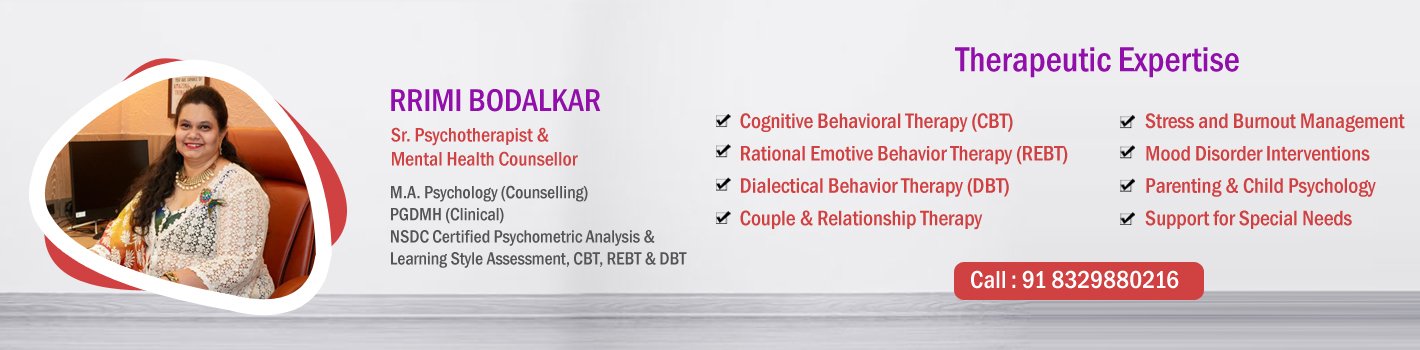
Rrimi Bodalkar, a Senior Psychotherapist and Mental Health Counsellor in Nagpur, is dedicated to providing compassionate and effective support for those struggling with mental health. With an M.A. in Psychology (Counselling) and a PGDMH (Clinical), she is a highly skilled practitioner of CBT, REBT, & DBT (Specialised). Her expertise, enhanced by her certification in Psychometric Analysis & Learning Style Assessment, allows her to offer comprehensive services for a range of issues, from Negative thinking therapist and Anger management counselling to Relationship counselling and Couple therapy. She is committed to helping her clients, including parents seeking Parenting support counsellor services or individuals dealing with Public speaking anxiety treatment, find a path to healing and renewed purpose.
Symptoms of Depression
Symptoms of depression can vary widely among individuals, but common signs include:
- Emotional symptoms: Persistent sadness, emptiness, irritability, loss of interest in hobbies, feelings of worthlessness or guilt.
- Physical symptoms: Sleep disturbances (insomnia or oversleeping), significant weight or appetite changes, chronic fatigue.
- Cognitive symptoms: Difficulty concentrating, poor memory, indecisiveness, and negative thinking patterns. In severe cases, thoughts of self-harm or suicide.
A mental health counsellor or psychologist is trained to conduct a comprehensive evaluation to identify these symptoms, which may also be linked to issues like workplace stress counselling or burnout counselling.
Causes of Depression
The causes of depression are complex and involve a mix of biological, psychological, and environmental factors:
- Genetic predisposition: Family history of mood disorders increases risk.
- Traumatic experiences: Events like loss of a loved one or abuse (Trauma therapy and Grief and loss counselling may help).
- Chronic stress: Long-term workplace or academic stress (Life transition counselling can be useful).
- Chemical imbalances: Irregularities in serotonin and dopamine activity in the brain.
- Relationship difficulties: Issues addressed through relationship counselling or marriage counselling.
Treatment and Procedure
A depression therapist uses evidence-based approaches tailored to each individual. The process often begins with a detailed assessment, including Neuropsychological testing and Personality assessment, to design a treatment plan. Effective interventions include:
- Cognitive Behavioral Therapy (CBT): Helps identify and challenge negative, irrational thoughts, replacing them with healthier perspectives. This is key in confidence building counsellor sessions.
- Dialectical Behavior Therapy (DBT): Supports emotional regulation, mindfulness, and distress tolerance for individuals with intense mood swings.
- Rational Emotive Behavior Therapy (REBT): Targets irrational beliefs and promotes rational, positive thinking.
- Behavioral Therapy: Encourages engagement in rewarding activities to counteract withdrawal and inactivity.
- Medication (if required): In severe cases, a psychiatrist at a counselling center may combine therapy with medication.
- Personal counselling & grief counselling: Helps uncover and address root causes of depression.
Frequently Asked Questions (FAQs)
Q1: How long does depression therapy take?
A: It depends on the severity and individual progress. Some may see results within weeks, while others may require several months.
Q2: Can I get better without medication?
A: Yes. Mild to moderate depression often responds well to therapy alone. Severe cases may need a combination of therapy and prescribed medication.
Q3: Is depression therapy confidential?
A: Absolutely. All sessions are private, and counsellors are ethically bound to maintain confidentiality.
Q4: Can a child psychologist help with depression in children?
A: Yes. Early intervention is crucial. A child psychologist can provide support for school stress counselling and special needs children.
Q5: What’s the difference between a Psychologist and a Psychotherapist?
A: A Psychologist typically holds a doctoral degree and conducts testing, while a Psychotherapist provides therapy sessions, often including Mental Health Counsellors and social workers.