
Career Guidance and Counselling for Choosing the Right Career in Nagpur
Career selection is one of the most important decisions for students and young adults because it can influence education, professional development, financial independence, work satisfaction, and long-term personal growth. With numerous courses, professional fields, competitive examinations, skill-based careers, and changing employment opportunities available today, choosing a career only because of marks, family expectations, peer pressure, or social trends may not always lead to a suitable outcome. Professional Career Counselling can help students understand their interests, abilities, personality characteristics, academic preferences, strengths, limitations, and future goals before making an informed career decision.
Students may seek guidance at different educational stages, including after Class 10, after Class 12, during graduation, while selecting postgraduate courses, or when considering a career change. A structured career counselling process can help individuals compare available educational pathways, understand their own preferences, identify suitable career areas, and develop a realistic action plan. For students and young adults looking for a Professional Career Counsellor, individualized guidance can provide a more organized approach to career planning.
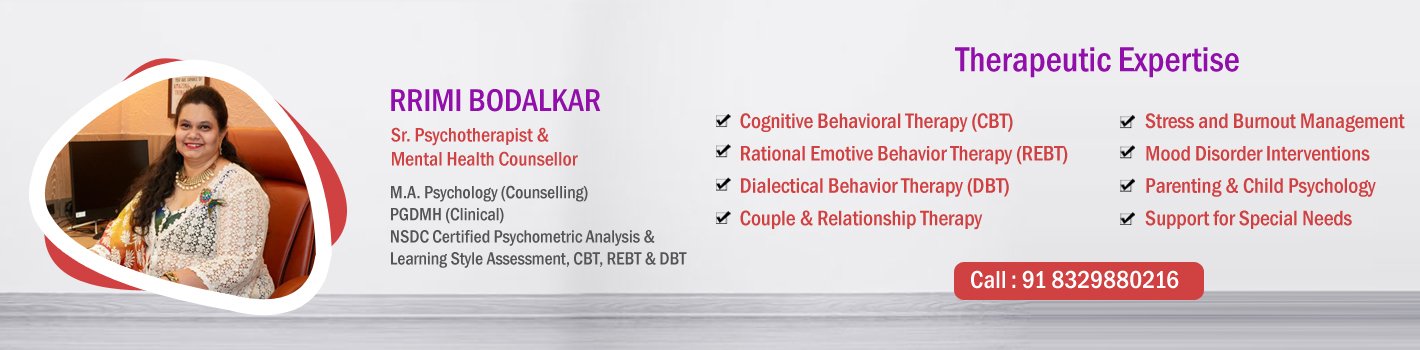
RRIMI BODALKAR – Sr. Psychotherapist / Mental Health Counsellor in Nagpur
RRIMI BODALKAR is a Sr. Psychotherapist / Mental Health Counsellor practicing in Nagpur, providing professional support for concerns related to emotional well-being, stress, anxiety, confidence, relationships, behavioral patterns, personal development, and career-related decision-making. Her counselling approach can be relevant for students and young adults who need structured guidance while choosing academic and professional pathways, managing career-related uncertainty, improving confidence, understanding personal strengths, and developing healthier coping strategies. Career-focused counselling may also be supported by appropriate psychological assessment, behavioural understanding, and individualized counselling according to the person’s educational stage, goals, abilities, and circumstances.
What Is Career Guidance and Counselling?
Career guidance and counselling is a structured process that helps an individual understand possible educational and occupational pathways and relate them to personal interests, abilities, values, personality characteristics, academic background, and future goals. It is not simply a process of selecting a course or profession. Instead, it involves understanding the person first and then exploring realistic career options.
A professional career counselling process can be useful when a student feels confused between multiple options, is unsure about academic strengths, is influenced by family expectations, lacks confidence about a chosen field, or wants to understand which educational pathway may suit their abilities and interests.
- Understanding interests and career preferences
- Identifying academic strengths and areas requiring improvement
- Exploring personality and behavioural characteristics
- Understanding skills and aptitude-related areas
- Comparing educational and professional pathways
- Identifying realistic short-term and long-term goals
- Developing a practical career action plan
- Addressing confidence, anxiety, stress, or decision-making difficulties when relevant
Why Choosing the Right Career Can Be Difficult
Students and young adults may face several challenges while making career decisions. The increasing number of educational courses, professional specializations, entrance examinations, skill-based careers, online learning opportunities, and emerging professions can make the decision-making process complicated. Students may also receive different opinions from parents, teachers, friends, relatives, social media, and online sources.
- Confusion between multiple career options
- Pressure to select a traditionally preferred profession
- Comparison with friends or classmates
- Fear of making the wrong decision
- Uncertainty about personal strengths
- Low confidence in academic or professional abilities
- Difficulty understanding available courses and career pathways
- Pressure related to examinations and academic performance
- Financial considerations and family expectations
- Lack of accurate information about different professions
These challenges explain why Best Career Guidance for Students should focus on individual circumstances rather than simply recommending the most popular or socially respected profession.
Career Counselling After 10th: Understanding the Next Step
Class 10 is an important stage because students may need to choose an academic stream or educational pathway that influences later opportunities. However, a student’s marks alone may not provide a complete picture of their suitability for a particular field. Interests, learning style, strengths, subjects they enjoy, future aspirations, and practical circumstances should also be considered.
Career Counselling after 10th and 12th can help students understand the relationship between their present academic choices and possible future pathways.
- Understanding preferred academic subjects
- Identifying areas of interest and aptitude
- Exploring different educational streams
- Understanding possible professional pathways
- Considering learning style and individual preferences
- Discussing realistic academic goals
- Creating a step-by-step educational plan
Career Counselling After 12th
After Class 12, students often face a larger number of decisions. They may need to select a degree, professional course, entrance examination pathway, vocational option, specialized training programme, or another educational route. Some students know exactly what they want to pursue, while others remain uncertain even after completing school.
Professional counselling can help students organize these choices and examine them according to their interests, academic preparation, abilities, values, and long-term objectives rather than selecting an option solely because it is popular.
Students looking for Career Counselling after 10th and 12th can benefit from a structured discussion about academic options, career possibilities, personal preferences, and practical planning.
Symptoms of Career Confusion and Decision-Making Stress
Career confusion is not a medical diagnosis, but prolonged uncertainty can sometimes create emotional and behavioural difficulties. Students may repeatedly change their decisions, avoid career discussions, experience excessive worry, or lose confidence in their abilities.
- Constant confusion about which career to choose
- Repeatedly changing career preferences
- Fear of making an incorrect career decision
- Difficulty concentrating on studies
- Excessive worry about examinations or future employment
- Low confidence regarding academic abilities
- Comparing oneself negatively with peers
- Avoiding discussions about future plans
- Sleep disturbance associated with persistent academic or career stress
- Loss of motivation toward studies or career preparation
When emotional symptoms become persistent or significantly affect daily functioning, the individual may benefit from broader psychological support in addition to career guidance.
Common Causes of Career Confusion
Career uncertainty can develop because of multiple educational, psychological, family, social, and practical factors. Understanding the reason behind the confusion is an important part of effective counselling.
- Lack of awareness about career options
- Pressure from parents or family members
- Peer influence
- Fear of failure
- Unclear personal goals
- Mismatch between interests and academic expectations
- Low self-esteem or confidence
- Examination-related stress
- Unrealistic expectations about particular professions
- Difficulty understanding personal strengths and limitations
- Previous academic setbacks
- Financial or family circumstances
How Personality Can Influence Career Choices
Personality does not determine a person’s career automatically, but understanding personality characteristics can provide useful information during career exploration. For example, some individuals may prefer structured environments, while others may enjoy creative, social, analytical, entrepreneurial, or independent work.
Personality Assessment can be considered when a broader psychological assessment is appropriate. Such assessment should be interpreted as one part of the overall counselling process rather than being treated as a single test that decides a person’s entire future.
Cognitive and Intellectual Assessment for Career Planning
Academic performance does not always capture every aspect of a student’s cognitive abilities. Depending on the individual’s concerns, a professional may consider areas such as reasoning, attention, processing, problem-solving, memory, and other cognitive functions.
Cognitive/Intellectual Assessment, including appropriate forms of IQ testing, may provide additional information about cognitive functioning when clinically or educationally relevant. The results should be interpreted carefully and should not be used as a simplistic label for a student’s overall potential.
Learning Disability Assessment and Educational Planning
Some students struggle academically despite making consistent efforts. Difficulties involving reading, writing, mathematics, attention, memory, processing, or learning strategies may sometimes require further assessment. Identifying such difficulties can help families and educators understand the student’s needs more accurately.
Learning Disability Assessment may be considered when academic difficulties are persistent and appear disproportionate to the student’s effort or educational opportunities. Appropriate assessment can support individualized educational planning and help distinguish between different possible reasons for academic struggles.
ADHD Testing and Career Planning
Attention difficulties can affect academic performance, organization, time management, task completion, and decision-making. When attention-related concerns are persistent, an appropriate psychological assessment may help understand the individual’s pattern of functioning.
Neuropsychological Testing or appropriate ADHD Testing may be considered when clinically indicated. The objective is not simply to attach a label but to understand areas of strength and difficulty that may influence education, work habits, and career planning.
Autism Spectrum Disorder Evaluation and Career Support
Some young people may experience differences in social communication, sensory processing, routines, interests, or interaction styles. These differences can influence educational and workplace experiences, although they do not automatically determine career suitability.
Autism Spectrum Disorder Evaluation may be appropriate when there are persistent developmental or social-communication concerns. Individualized support can then focus on strengths, communication, environmental needs, social skills, education, and future vocational planning.
How Confidence Affects Career Decisions
A student may have adequate ability but still hesitate to pursue a particular field because of self-doubt. Fear of failure, comparison with classmates, criticism, previous setbacks, or unrealistic expectations can contribute to low confidence.
A Confidence Building Counsellor can help individuals identify unhelpful self-beliefs, recognize strengths, develop realistic goals, and gradually improve confidence in decision-making.
Self-Esteem Counselling may also be useful when negative self-perception repeatedly interferes with academic, social, or career-related decisions.
Career-Related Anxiety and Stress
Students may experience anxiety before examinations, interviews, entrance tests, presentations, or important academic decisions. Some level of nervousness can be normal, but persistent or excessive anxiety may interfere with concentration, sleep, confidence, and daily functioning.
Anxiety Counselling can focus on identifying triggers, understanding thought patterns, developing practical coping strategies, and improving emotional regulation.
Students experiencing significant stress may also explore Best Counselling for Stress and Anxiety according to their individual circumstances.
Public Speaking Anxiety and Career Development
Communication skills are important in many educational and professional environments. Some students and young adults experience intense nervousness while speaking in classrooms, participating in group discussions, attending interviews, delivering presentations, or speaking before an audience.
Public Speaking Anxiety Treatment Counselling may involve understanding the thoughts and physical responses associated with public speaking and gradually developing confidence through structured practice and coping strategies.
Career Counselling Procedure: Step-by-Step Process
A professional career counselling process should be individualized rather than based on a single questionnaire or generic career list. The exact procedure may differ according to age, educational stage, concerns, and assessment requirements.
- Step 1 – Initial consultation: The counsellor discusses the student’s educational background, concerns, interests, expectations, and career-related questions.
- Step 2 – Academic review: Previous academic performance, preferred subjects, learning experiences, and educational goals are discussed.
- Step 3 – Interest exploration: The student’s areas of curiosity, preferred activities, subjects, and work interests are explored.
- Step 4 – Strength and skill review: Relevant abilities, skills, learning preferences, and personal strengths are considered.
- Step 5 – Personality understanding: When appropriate, personality-related information may be assessed to understand behavioural preferences and work styles.
- Step 6 – Psychological or cognitive assessment: Selected assessments may be considered when there is a specific educational, cognitive, behavioural, or developmental question.
- Step 7 – Career exploration: Suitable career fields and educational pathways are discussed without presenting one profession as universally suitable.
- Step 8 – Option comparison: Students can compare educational requirements, skills, interests, practical considerations, and long-term objectives.
- Step 9 – Goal setting: Short-term academic goals and longer-term career objectives are developed.
- Step 10 – Action plan: The counselling process can conclude with practical next steps for education, skill development, preparation, and further exploration.
Career Assessment Should Not Be Based on One Test Alone
Career tests can provide useful information, but a test result should not automatically decide a student’s future. A meaningful career decision considers multiple factors, including interests, abilities, personality, academic background, values, practical circumstances, educational opportunities, and the student’s own goals.
For this reason, Qualified Psychologist involvement may be valuable when psychological or cognitive assessment is required as part of broader career counselling.
Behavioral Therapy and Career-Related Behaviour Patterns
Career difficulties can sometimes involve behavioural patterns such as procrastination, avoidance, inconsistent study habits, excessive screen use, difficulty following routines, or repeated avoidance of challenging tasks. Understanding these patterns may be important when they interfere with academic or professional development.
Behavioral Therapy can focus on identifying unhelpful behaviour patterns and developing more adaptive strategies where appropriate.
Habit Counselling may also be relevant when repeated habits interfere with study schedules, sleep routines, productivity, or career preparation.
Cognitive Behavioral Therapy (CBT) for Career-Related Stress
Cognitive Behavioral Therapy (CBT) is a structured psychological approach that examines the relationship between thoughts, emotions, and behaviours. In an appropriate counselling context, CBT-based strategies may help individuals identify unhelpful thoughts such as excessive fear of failure, unrealistic self-criticism, or catastrophic thinking about career decisions.
The purpose is not to tell a student which career to choose, but to support clearer thinking, realistic evaluation, emotional regulation, and constructive decision-making.
REBT and Negative Thinking About Career Decisions
Rational Emotive Behavior Therapy (REBT) focuses on identifying rigid or unrealistic beliefs that may contribute to emotional distress. For example, a student may believe that one examination result will determine their entire future or that making one wrong decision will permanently damage their career.
When appropriate, counselling can help individuals examine such beliefs and develop more balanced and realistic ways of thinking.
Negative Thinking Therapy and Low Confidence
Repeated negative thoughts such as “I am not capable,” “Everyone is better than me,” or “I will fail whatever I choose” can interfere with career exploration. Such thinking may reduce motivation and encourage avoidance.
Negative Thinking Therapy and Low Confidence Counselling may focus on identifying unhelpful thought patterns, evaluating evidence realistically, developing practical goals, and strengthening self-awareness.
Stress Reduction and Coping Strategies for Students
Career planning should be accompanied by healthy strategies for managing academic and emotional pressure. Stress Reduction Coping Strategies may include structured planning, realistic goal setting, time management, regular physical activity, adequate sleep, balanced routines, relaxation practices, supportive communication, and taking appropriate breaks.
- Break large academic goals into smaller tasks
- Maintain a realistic study schedule
- Avoid excessive comparison with peers
- Discuss concerns with trusted adults or professionals
- Maintain regular sleep and daily routines
- Use constructive methods to manage examination stress
- Set achievable short-term targets
Academic Stress Counselling and School Issues
Students may experience stress because of examinations, academic competition, parental expectations, school transitions, peer relationships, performance pressure, or uncertainty about future studies. Academic Stress Counselling can help students understand the source of stress and develop practical coping and study-related strategies.
School Issues Stress Counselling may also be relevant when academic concerns occur alongside peer difficulties, adjustment problems, communication issues, or emotional distress.
Child Psychologist Support for Early Career Awareness
Career planning does not always begin at the stage of choosing a college course. Younger children gradually develop interests, learning preferences, social skills, problem-solving abilities, and confidence. Parents can support exploration without placing excessive pressure on children to select a specific profession too early.
When a child has emotional, behavioural, developmental, learning, or social concerns, a Child Psychologist can provide age-appropriate assessment and support.
Play Therapy and Child Development
Play Therapy may be used in appropriate child-focused psychological settings because play can provide a developmentally suitable way for children to express emotions, experiences, concerns, and behavioural patterns. It is not a direct career-selection method, but emotional and behavioural support during childhood can contribute to healthier development and future educational adjustment.
Parenting Support and Career Pressure
Parents often want the best possible future for their children, but excessive pressure can sometimes increase anxiety or reduce open communication. Parents can encourage exploration while allowing students to develop their own interests and gradually take responsibility for educational decisions.
Parenting Support & Coaching can help parents understand communication patterns, emotional needs, boundaries, expectations, and supportive ways of responding to children’s concerns.
Social Skills Training and Career Readiness
Career development involves more than academic qualifications. Communication, teamwork, listening, problem-solving, interpersonal interaction, presentation skills, and professional behaviour can influence educational and workplace experiences.
Social Skills Training may be useful for individuals who experience difficulty with communication, group interaction, social confidence, or interpersonal situations. These skills can support interviews, presentations, workplace interactions, and professional networking.
Executive Coaching for Young Professionals
Young adults entering professional environments may face challenges involving leadership, communication, time management, workplace relationships, decision-making, and professional development. Executive Coaching can focus on performance-related goals, leadership development, communication, professional behaviour, and structured personal growth.
Workplace Stress and Burnout Counselling
Career counselling may also be relevant after a person has already entered employment. Young professionals can experience pressure related to workload, deadlines, workplace expectations, career progression, interpersonal conflict, or uncertainty about whether their current role is suitable.
Workplace Stress & Burnout Counseling may focus on recognizing stress patterns, understanding work-related triggers, developing healthier coping strategies, setting realistic boundaries, and considering professional or career-related changes where appropriate.
Stress and Burnout Management Counselling can be particularly relevant when prolonged workplace pressure begins to affect emotional well-being, productivity, relationships, or daily functioning.
Career Counselling for Students with Anxiety
Career decisions can become particularly difficult when anxiety influences every choice. A student may repeatedly seek reassurance, fear disappointing parents, avoid applications, or become overwhelmed when comparing different educational pathways.
For students experiencing significant anxiety, Effective Anxiety Treatment and appropriate psychological counselling may be considered alongside career guidance.
Where anxiety is persistent and significantly interferes with daily functioning, an appropriate Best Anxiety Disorders Treatment approach should be individualized according to the person’s psychological needs.
Depression and Loss of Career Motivation
Persistent low mood, loss of interest, reduced motivation, hopelessness, concentration difficulties, or withdrawal can affect a young person’s ability to plan and pursue educational goals. In such situations, career counselling alone may not address the complete concern.
A qualified professional can determine whether broader psychological support is appropriate. Resources such as Depression Counsellor, Depression Therapy, and Best Depression Treatment can be explored according to individual circumstances.
Trauma, PTSD and Career Adjustment
Previous traumatic experiences can sometimes affect concentration, confidence, relationships, emotional regulation, and participation in education or employment. When trauma-related symptoms interfere with career development, psychological support may need to be considered before or alongside career planning.
Trauma and PTSD Therapy can provide a specialized psychological pathway for individuals experiencing trauma-related concerns.
Life Transitions and Adjustment Counselling
Moving from school to college, college to employment, or one professional field to another can create uncertainty. Relocation, academic failure, changing family circumstances, relationship changes, or unemployment may also require emotional adjustment.
Life Transitions and Adjustment Counselling can help individuals understand emotional reactions to major changes, identify practical coping strategies, and gradually adapt to new circumstances.
Career Counselling and Relationship or Family Expectations
Career decisions sometimes become a source of conflict between students and family members. Parents may have expectations based on financial security, social status, family traditions, or their understanding of successful careers, while young adults may have different interests and aspirations.
When career disagreements are creating significant relationship difficulties, Relationship Counselling may help improve communication and mutual understanding.
Where the concern involves partners or married couples, Relationship & Marriage Counselling may provide a structured space for discussing emotional and communication concerns.
Anger Management and Career-Related Conflicts
Stress related to academic performance, family expectations, workplace pressure, or uncertainty can sometimes contribute to irritability or anger. Repeated anger may affect communication with parents, teachers, classmates, colleagues, or partners.
An Anger Management Psychologist can help individuals understand triggers, emotional responses, communication patterns, and healthier ways of managing conflict.
Sports Psychology Counselling and Career Development
Students interested in professional or competitive sports may face performance pressure, competition anxiety, motivation difficulties, confidence concerns, injury-related emotional challenges, or balancing education with sports commitments.
Sports Psychology Counselling can focus on performance mindset, concentration, confidence, goal setting, emotional regulation, and coping with competitive pressure when appropriate.
Fertility Counselling and Young Adult Life Planning
Career and personal life decisions can sometimes overlap with concerns about relationships, family planning, reproductive health, or fertility. These subjects may create emotional stress, particularly when individuals are balancing education, employment, relationships, and future family goals.
Fertility Counselling may provide emotional support for individuals or couples experiencing psychological stress related to fertility concerns.
Fears, Phobias and Career Avoidance
Some students may avoid interviews, presentations, examinations, travel, public speaking, social interaction, or new environments because of intense fear. When such avoidance becomes persistent, it can interfere with educational and professional opportunities.
Fears and Phobias Treatment Counseling may be considered when persistent fear or avoidance requires professional psychological support.
Insomnia, Sleep Problems and Career Performance
Sleep has an important relationship with concentration, learning, emotional regulation, memory, and daily functioning. Persistent sleep difficulties can make academic preparation and workplace performance more challenging.
When sleep concerns are persistent, Insomnia Treatment Counseling may help identify behavioural, emotional, and lifestyle factors contributing to the problem.
Personal Counselling and Personality Development
Career development is closely connected with personal development. Students may benefit from understanding communication style, confidence, emotional regulation, interpersonal behaviour, decision-making, and personal values.
Personal Counselling can provide an individualized space to discuss personal concerns that influence educational or professional development. Personality Development Counselling can focus on self-awareness, communication, confidence, interpersonal skills, and constructive personal growth.
Choosing a Career Based on Strengths Instead of Social Pressure
Students should be encouraged to explore careers according to their individual abilities, interests, values, and realistic circumstances. A career should not be selected solely because it is considered prestigious, because friends are choosing it, or because relatives believe it is financially successful.
- Explore personal interests
- Understand academic strengths
- Identify preferred work environments
- Consider practical educational requirements
- Understand long-term professional development
- Evaluate personal values and priorities
- Discuss concerns openly with a qualified professional
How Parents Can Support Career Selection
Parents can play an important supportive role without making the decision entirely on behalf of the student. Open communication can help young people discuss interests, fears, academic difficulties, financial concerns, and long-term aspirations.
- Listen before giving advice
- Avoid comparing the child with relatives or classmates
- Discuss financial realities honestly
- Encourage exploration of multiple options
- Respect the student’s developing interests
- Support realistic planning rather than creating excessive pressure
- Seek professional help when emotional or behavioural concerns interfere with education
Career Counselling for Young Adults and Career Changes
Career counselling is not limited to school students. Young adults may discover that their selected course or profession does not match their interests, strengths, values, or preferred work environment. Others may experience difficulty finding employment or may wish to transition into another field.
In such situations, counselling can help clarify personal goals, identify transferable skills, examine realistic alternatives, and create a structured transition plan. The objective is to support informed decision-making rather than making the decision on behalf of the individual.
Professional Career Counsellor for Students
Students looking for a Best Career Counsellor may consider factors such as professional qualifications, counselling experience, assessment methods, confidentiality, individualized guidance, and the ability to understand both educational and psychological aspects of career decision-making.
A Qualified Psychologist can be particularly relevant when career concerns overlap with emotional, behavioural, developmental, cognitive, or psychological issues.
Career Counselling and Special Needs Support
Students with developmental, learning, cognitive, behavioural, or emotional differences may require individualized educational and career planning. The goal should be to identify strengths and support needs rather than focusing only on limitations.
Support for Special Needs Counselling can help families and young people understand educational, behavioural, social, and emotional requirements and consider suitable pathways according to individual abilities and circumstances.
Parent & Child Psychologists can also support communication between children and parents when developmental, behavioural, educational, or emotional concerns affect decision-making.
When Should a Student Consider Career Counselling?
Career counselling can be considered whenever a student or young adult feels uncertain about educational or professional direction and wants structured guidance. It may be particularly useful at transition points or when emotional concerns are making decisions difficult.
- After Class 10 while selecting an educational stream
- After Class 12 while choosing higher education
- Before selecting a professional course
- When changing an academic pathway
- When considering postgraduate education
- When academic performance and career goals do not appear aligned
- When fear or anxiety prevents decision-making
- When low confidence affects career planning
- When considering a first job or professional transition
How to Choose a Career Counsellor
When searching for professional career guidance, students and families can consider whether the counsellor follows an individualized approach and whether career recommendations are based on a combination of relevant information rather than a single generic test.
- Relevant professional qualification and experience
- Structured career counselling process
- Appropriate use of psychological or cognitive assessments
- Confidential and respectful communication
- Understanding of student and young-adult concerns
- Attention to academic and emotional factors
- Individualized career planning
- Appropriate referral when another professional service is required
Frequently Asked Questions About Career Guidance and Counselling
1. What is the purpose of career counselling?
Career counselling helps individuals understand their interests, abilities, personality characteristics, educational options, professional possibilities, and personal goals so they can make more informed career decisions.
2. Is career counselling useful after Class 10?
Yes. Career counselling after Class 10 can help students explore educational streams and understand how present academic choices may connect with future educational and professional pathways.
3. Is career counselling useful after Class 12?
Yes. After Class 12, students may need to compare degree programmes, professional courses, entrance pathways, vocational options, and other educational opportunities. Structured counselling can help organize these choices.
4. Can a career test tell me exactly which profession I should choose?
No single test can reliably determine a person’s entire career. Career decisions should consider interests, abilities, personality, academic background, values, goals, practical circumstances, and educational opportunities.
5. Can career counselling help when I have low confidence?
Yes. When low confidence interferes with career decision-making, counselling can help individuals identify strengths, challenge unhelpful self-beliefs, establish realistic goals, and gradually improve decision-making confidence.
6. Can anxiety affect career decisions?
Yes. Persistent anxiety may make individuals avoid decisions, repeatedly seek reassurance, fear failure, or become overwhelmed by multiple choices. Appropriate anxiety counselling can be considered when these difficulties significantly interfere with daily functioning.
7. Can parents attend career counselling with their child?
Depending on the student’s age and counselling context, parents may participate in parts of the process. However, it is also important to provide the student with an appropriate opportunity to express individual interests, concerns, and aspirations.
8. Can career counselling help students who are academically struggling?
Yes. Counselling may help identify academic strengths, learning preferences, motivation issues, study-related stress, and possible areas requiring further assessment. Where necessary, learning or cognitive assessment may also be considered.
9. What is Personality Assessment in career counselling?
Personality assessment can provide information about behavioural preferences, interpersonal tendencies, work-style characteristics, and other psychological dimensions. It should be considered alongside other relevant information rather than used as the sole basis for career selection.
10. What is Cognitive/Intellectual Assessment?
Cognitive or intellectual assessment can examine selected areas of cognitive functioning such as reasoning, problem-solving, processing, memory, or other relevant abilities. Appropriate testing should be interpreted by a qualified professional.
11. When is ADHD Testing relevant to career planning?
ADHD testing may be considered when persistent attention, organization, impulsivity, or executive-function difficulties affect academic or occupational functioning. Assessment can help clarify the individual’s needs and strengths.
12. What is Neuropsychological Testing?
Neuropsychological testing involves structured assessment of selected cognitive and psychological functions. It may be considered when there are specific concerns about attention, memory, executive functioning, learning, or other cognitive processes.
13. Can career counselling help with public speaking fear?
Yes. When public speaking anxiety interferes with academic or professional development, counselling can focus on understanding fear responses, building confidence, improving communication, and gradually developing comfort with speaking situations.
14. Can career counselling help young adults who want to change careers?
Yes. Career counselling can help young adults review transferable skills, interests, values, professional experiences, alternative pathways, and realistic goals when considering a career transition.
15. What should students bring to a career counselling session?
Students may bring relevant academic information, previous examination results, details about subjects they enjoy, questions about possible careers, information about extracurricular interests, and any concerns they have about future education or employment.
16. Is career counselling only for students?
No. Career counselling can also support college students, graduates, young professionals, individuals considering a career transition, and people who are uncertain about their professional direction.
17. Can career counselling address academic stress?
Career counselling can help clarify career-related uncertainty and planning. If significant academic stress or emotional distress is present, additional psychological counselling may be appropriate according to the individual’s needs.
18. How can I choose a career counsellor?
Consider relevant professional qualifications, experience, confidentiality, assessment practices, individualized counselling, communication style, and whether the professional can recognize when additional psychological or educational assessment is appropriate.
Making an Informed Career Decision
Career Guidance and Counselling for Choosing the Right can help students and young adults approach important educational and professional decisions in a structured and informed way. Instead of choosing a career solely because of marks, social expectations, family pressure, peer influence, or popular trends, individuals can consider their interests, abilities, personality, academic background, values, confidence, goals, and practical circumstances.
Professional career counselling may also become especially valuable when career decisions are accompanied by anxiety, academic stress, low confidence, negative thinking, behavioural difficulties, learning concerns, attention problems, relationship pressure, or uncertainty about future direction. Appropriate psychological assessment and counselling can help clarify these concerns while keeping the individual’s own goals and choices central to the process.
For students and young adults seeking structured support, an experienced professional can help transform career confusion into a clearer process of self-understanding, career exploration, informed comparison, goal setting, and practical planning. The purpose of counselling is not to make the career decision for the individual, but to provide the information, psychological understanding, and structured guidance needed to make that decision more thoughtfully.
Disclaimer: The information provided in this article is for educational purposes only and should not be substituted for professional medical advice, diagnosis, or treatment. Always seek the advice of your physician regarding any medical condition.